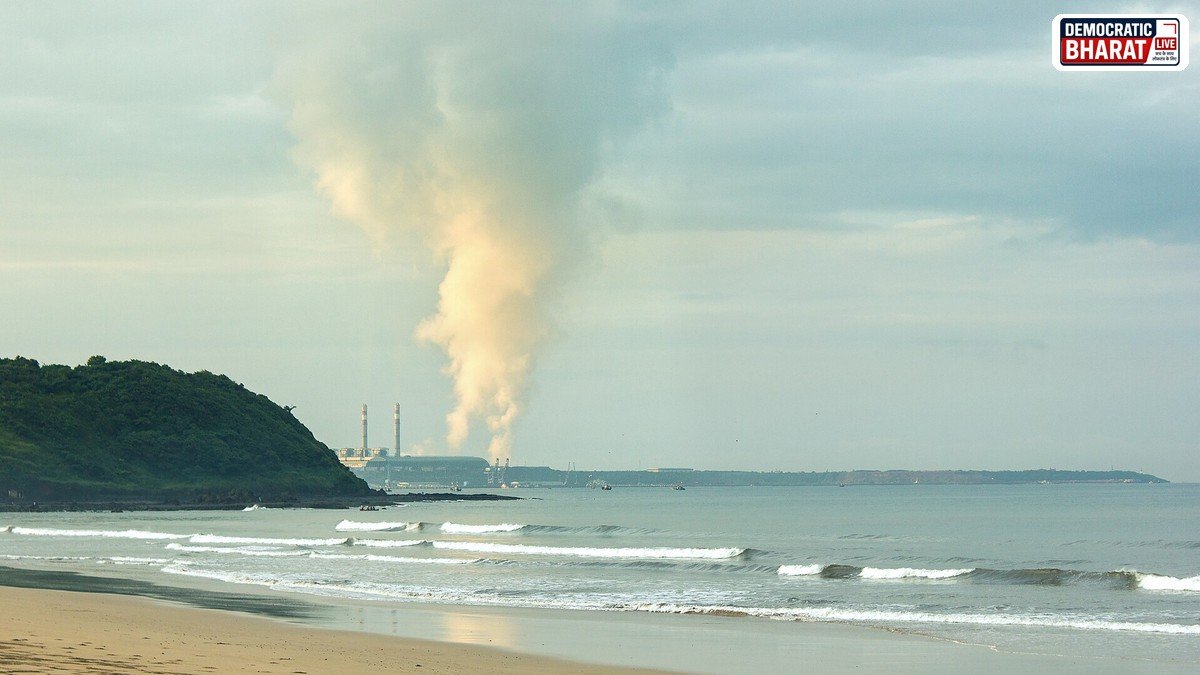
A significant research study conducted by the Karolinska Institute in Sweden has brought to light the devastating impact of air pollution in India. According to the findings, approximately 38 lakh people lost their lives due to air pollution between the years 2009 and 2019. The primary driver behind these fatalities was the concentration of PM 2.5 particles in the air, which consistently exceeded national safety standards. This report underscores that breathing in India has become a serious health risk, with the crisis extending far beyond the boundaries of major metropolitan areas.
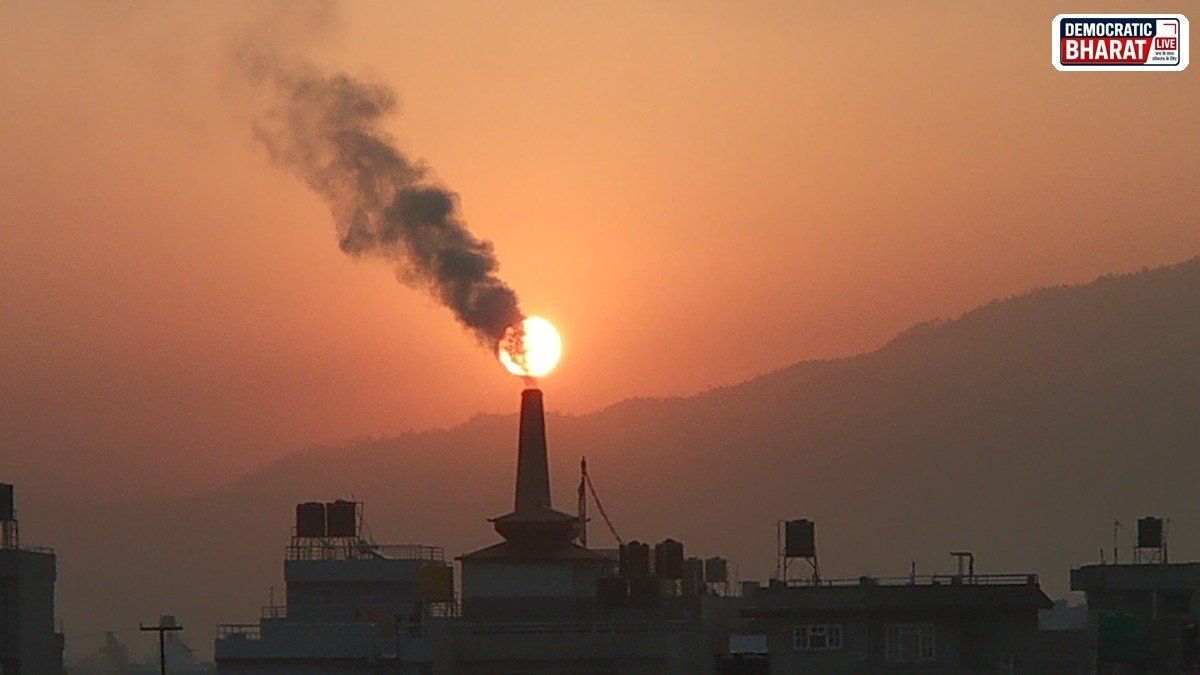
The Correlation Between Pollution and Mortality
The research from Karolinska Institute analyzed data from 655 districts across India to understand the link between air quality and death rates. The study revealed that for every increase of 10 micrograms per cubic meter in PM 2.5 levels, there was an 8.6 percent rise in mortality. While the national standard for PM 2.5 in India is set at 40 micrograms per cubic meter, most parts of the country experience levels significantly higher than this limit. The situation appears even more critical when viewed through the lens of World Health Organization (WHO) guidelines.
The WHO maintains a much stricter safety threshold of just 5 micrograms per cubic meter. If these rigorous international standards are applied to the data from 2009 to 2019, the estimated death toll attributed to pollution surges to 1.66 crore. This staggering figure represents nearly 25 percent of all deaths recorded during the study period. Essentially, this suggests that one out of every four deaths in India could be linked to polluted air. The data highlights a national health emergency, as the entire population of India resides in areas where PM 2.5 levels surpass WHO safety limits.
Understanding PM 2.5 and Biological Impact
To grasp the severity of the threat, it is essential to understand the nature of PM 2.5 particles. These are extremely fine particles with a diameter of 2.5 micrometers or less. For comparison, a typical bacterium is at least 5 microns wide, and a human red blood cell has a diameter of about 6 microns. A single human hair is approximately 70 microns thick. Thousands of PM 2.5 particles could fit onto the space occupied by a simple period mark at the end of a sentence. This microscopic size allows them to bypass the body’s natural filters.
When inhaled, these tiny particles travel deep into the lungs and can enter the bloodstream, spreading throughout the entire body. This mechanism explains why air pollution is not just a respiratory issue but also a major factor in cardiovascular diseases and other systemic health problems. Furthermore, these particles can travel hundreds of kilometers from their source, meaning that pollution generated in industrial hubs can affect air quality in distant rural regions, making it a widespread environmental challenge rather than a localized one.
Rising Pollution in Smaller Industrial Towns
While air pollution is often associated with megacities like Delhi, recent data indicates a shift in the geography of the crisis. Byrnihat, a small industrial town located on the Assam-Meghalaya border, has emerged as the most polluted location in India. The annual PM 2.5 level in Byrnihat was recorded at 133.4 micrograms per cubic meter, which is 3.3 times higher than the national safety standard. This figure even exceeds Delhi’s recorded level of 104.9 micrograms per cubic meter. Experts suggest that a 70 percent reduction in pollution is required to bring Byrnihat within safe limits.
Delhi itself has seen a four percent increase in pollution levels in 2024 compared to previous records. Reports from the Central Pollution Control Board and IQAir show high levels in several other cities: Gurugram at 91.7, Sri Ganganagar at 87.2, Faridabad at 84.7, Greater Noida at 83.6, and Muzaffarnagar at 83.4 micrograms per cubic meter. These statistics demonstrate that rapid urbanization and industrial activities are turning smaller towns into new hotspots for pollution, exposing large populations to hazardous air quality on a daily basis.
Metropolitan Trends and PM 10 Analysis
A report by the Center for Science and Environment indicates that during the winter of 2024-25, PM 2.5 levels worsened across all major metros, including Delhi, Mumbai, Kolkata, Bengaluru, Hyderabad, and Chennai. Delhi remained the most polluted, followed by Kolkata. While Delhi’s location in the Indo-Gangetic plains contributes to its toxic air, coastal cities like Mumbai and Chennai, which usually benefit from natural sea breezes, also saw an increase in average pollution levels. This indicates that local emission sources are overwhelming natural ventilation systems.
A four-year study by Respirer Living Sciences focused on 11 metros and found that PM 10 levels remained consistently above the national standard of 60 micrograms per cubic meter. At Anand Vihar in Delhi, PM 10 levels reached 313.8, while Samanpura in Patna recorded 237.7. Not a single city met the safety standards throughout the entire four-year duration of the study. This continuous exposure means that urban populations are living in a state of chronic contact with dangerous particulate matter, leading to long-term health burdens that go beyond seasonal spikes.
The Need for Coordinated Action
The data presented by these various studies serves as a stark warning about the health of the nation. Air pollution is no longer an occasional nuisance but a persistent threat driven by vehicular emissions, industrial output, and other human activities. The research emphasizes that without decisive and long-term policy interventions, the health crisis will only deepen. Reducing respiratory illnesses and premature deaths requires a coordinated effort across all levels of government to improve air quality and ensure that the basic act of breathing does not remain a life-threatening activity for millions of Indians.
Also Read: Handwashing the Right Way: WHO Steps, When to Wash and Why It Prevents Illness
Source / स्रोत: Aaj Tak