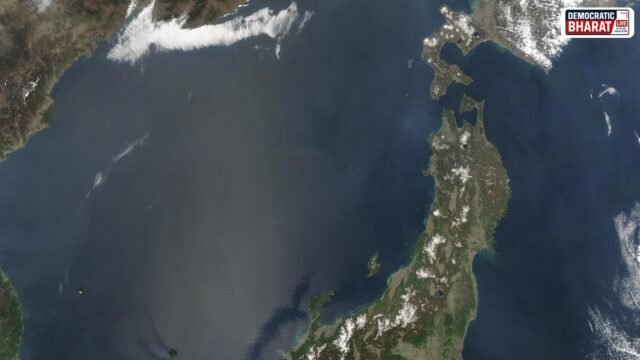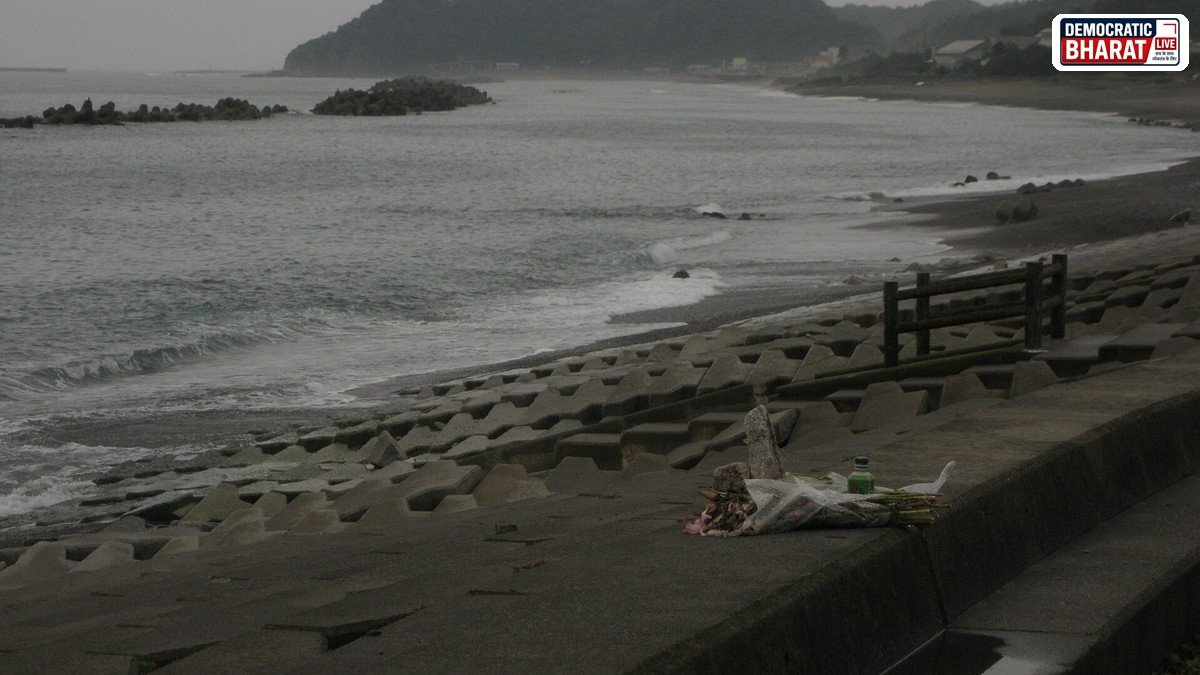
A powerful earthquake measuring 5.7 on the Richter scale struck Japan early Sunday morning, causing widespread panic across several regions. At least 22 people sustained injuries, many of whom were hurt while attempting to evacuate buildings in haste. The epicenter of the quake was located in Shizuoka province, with tremors felt significantly in the neighboring Aichi province and surrounding areas.
Seismic Data and Epicenter Characteristics
The seismic event occurred in the early hours of Sunday, with local time recorded at 1:04 AM. According to the Japan Meteorological Agency, the magnitude of the earthquake was measured at 5.7 on the Richter scale. In contrast, the United States Geological Survey reported the magnitude at 5.5. The geological origin of the disturbance was traced to a depth of approximately 40 kilometers beneath the surface of Shizuoka province. Following the primary tremor, the region experienced a series of smaller seismic events, commonly referred to as aftershocks, which maintained a state of high alert among the local population throughout the early morning hours. This geological activity follows a pattern of frequent seismic occurrences in Japan, a nation situated in a highly active tectonic zone.
Geographic Impact and Structural Damage
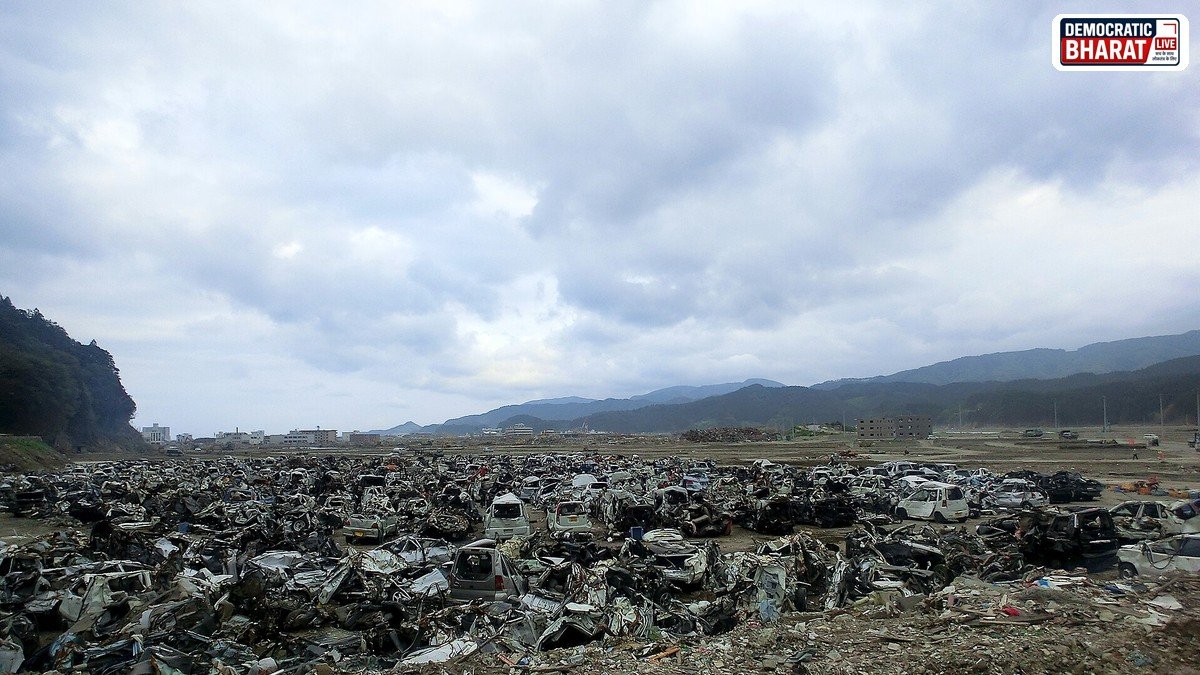
The impact of the earthquake was most pronounced in the neighboring provinces of Aichi and Shizuoka, with Aichi experiencing some of the most intense shaking. While the tremors were significant in these regions, they were not felt in the capital city of Tokyo, which is located at a considerable distance from the epicenter. Beyond the primary provinces, the effects of the earthquake were also observed in Hamamatsu city, the historical cities of Kyoto and Nara, as well as the provinces of Yamanashi and Gifu. Yamanashi is notably recognized for its association with Mount Fuji. Television broadcasts from the region provided visual evidence of the damage, showing shattered storefront windows and glass debris scattered across public thoroughfares. Inside local bookstores, the force of the tremor caused shelves to collapse, resulting in large piles of books accumulating on the floors.
Emergency Responses and Transportation Protocols
The sudden onset of the earthquake triggered immediate reactions from residents, many of whom attempted to exit buildings in a state of urgency. This rapid evacuation led to various injuries, with reports indicating that several individuals fell while navigating stairways during the scramble for safety. In total, at least 22 people were reported injured as a result of the event. To ensure public safety and mitigate potential risks, railway authorities implemented precautionary measures involving the Shinkansen bullet train network. The speed of these trains was restricted in the affected areas, as seismic activity poses a known risk of causing damage to railway tracks. These operational adjustments are considered standard protocol in Japan to prevent accidents during periods of instability. The government and relevant agencies continue to monitor the situation closely to ensure the ongoing safety of the public.
Contextual Background on Recent Seismic Activity
The Sunday morning earthquake occurred in the context of broader seismic activity within the country. Notably, this event was preceded by a separate earthquake that struck the region of Hasaki just one day prior. The earlier tremor, which occurred on Saturday at approximately 7:39 PM local time, was recorded with a magnitude of 6.1. Furthermore, earlier in the year, specifically in July, Japan experienced a significant earthquake measuring 7.1 in magnitude. That event resulted in notable structural damage, including the collapse of a portion of the second floor of the Aeon Mall in Kumamoto, following a loud explosion triggered by the shaking. Given Japan’s unique geographical positioning, the nation remains highly susceptible to such natural phenomena, necessitating the consistent application of safety protocols and ongoing vigilance by both the authorities and the general population.
Also Read: What Is the AIIB? Asian Infrastructure Investment Bank, Its Members and India’s Big Role