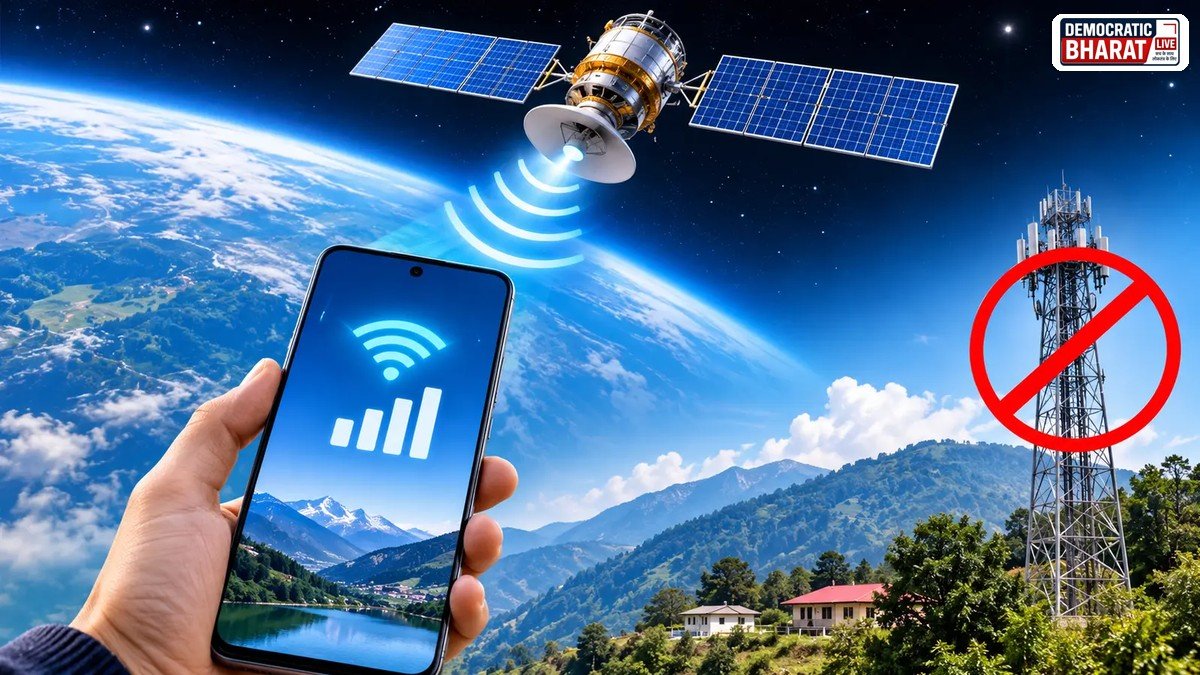
The Telecom Regulatory Authority of India, known as TRAI, has introduced significant recommendations aimed at transforming the mobile connectivity landscape in the country. These proposals focus on enabling satellite-to-smartphone connectivity, which would allow mobile devices to access networks even in the absence of traditional ground based mobile towers. By utilizing Direct to Device technology, smartphones will be able to connect directly with satellites orbiting in space. This initiative is particularly designed to address connectivity issues in remote rural areas, dense forests, and high altitude mountainous regions where installing physical infrastructure is currently a major challenge.
Understanding the Direct to Device Technology
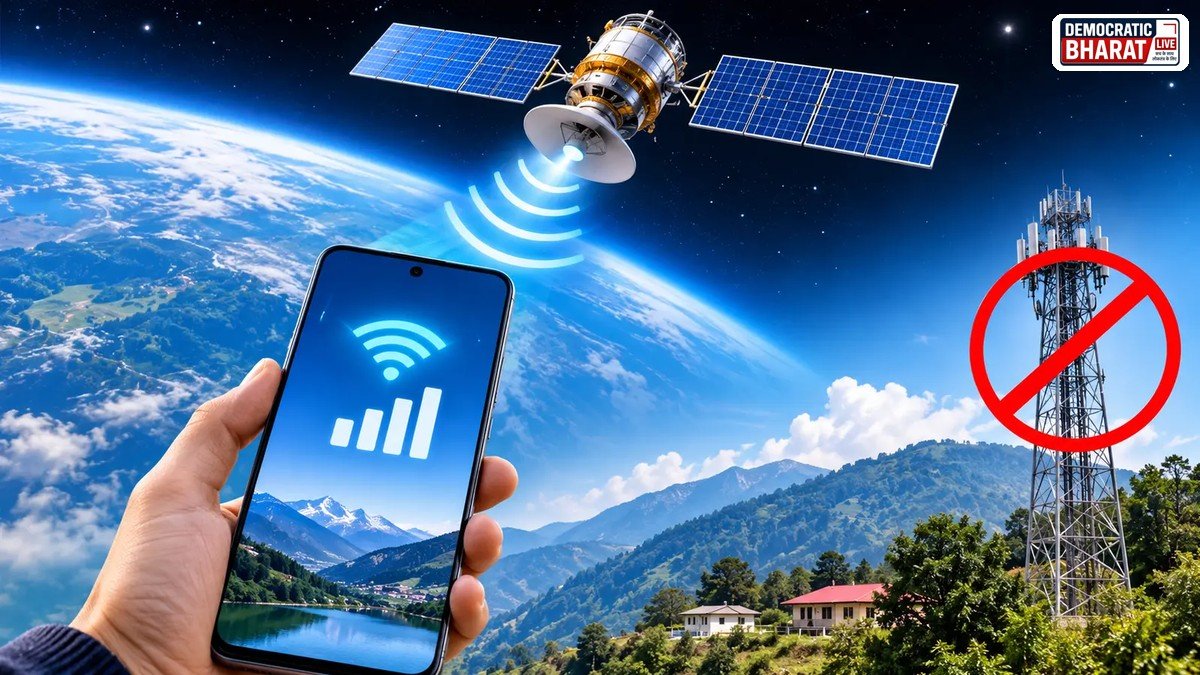
Under the conventional mobile network system, a smartphone connects to a nearby mobile tower to send and receive signals. These towers act as the primary link between the user and the telecom network. However, the new recommendations from TRAI suggest a shift toward Direct to Device technology. This innovation allows a mobile phone to bypass the need for a terrestrial tower and establish a direct link with a satellite. This means that even in locations where no mobile tower is visible for miles, a user could potentially maintain a network connection. This technology is expected to be a game changer for travelers, researchers, and residents in geographically isolated parts of India.To ensure the smooth rollout of these services, TRAI has proposed a structured model involving partnerships between satellite companies and existing telecom operators. A new category called Satellite Communication Network Provider Authorisation has been recommended. Under this framework, satellite companies will not sell telecom services directly to the general public. Instead, they will provide the necessary network infrastructure and satellite capacity to authorized service providers. Established telecom giants like Reliance Jio, Bharti Airtel, and Vodafone Idea can then leverage this capacity to offer satellite based services to their existing customers. This model ensures that the consumer interface remains with the telecom operators while utilizing the back end strength of satellite technology.India possesses a diverse and often difficult terrain, ranging from the vast Himalayan range to the thick jungles of central India. In many of these areas, building and maintaining mobile towers is not only expensive but often technically unfeasible. Once the TRAI recommendations are implemented, people living or traveling in these remote areas will no longer be cut off from communication. Furthermore, this technology holds immense value for emergency situations. During natural disasters when ground based infrastructure like towers and cables are often destroyed, satellite connectivity can provide a reliable lifeline for communication. This would significantly enhance rescue and relief operations by ensuring that connectivity remains uninterrupted regardless of the situation on the ground.While the prospect of direct satellite connectivity is promising, there are several technical requirements that must be met. TRAI has noted that not every existing smartphone will be compatible with this service immediately. Specifically, for connectivity based on Mobile Satellite Service or MSS, future smartphones may require specialized hardware support. Manufacturers will need to integrate components that allow the device to communicate effectively with satellite frequencies. Additionally, technical standards and regulatory norms will need to be aligned to ensure seamless operation. Currently, these recommendations are in the proposal stage and require a final nod from the government to move forward.The recommendations put forth by TRAI have been submitted to the Department of Telecommunications for a final decision. The department will evaluate the technical feasibility and the economic impact of these proposals. If approved, the government will establish the necessary rules and guidelines for the industry. Only after this regulatory framework is in place can telecom companies and satellite providers enter into formal agreements to launch the service. This process marks a revolutionary step in India’s telecom sector, where the reach of a mobile network will no longer be limited by the physical presence of towers but will be available across the entire country through space based infrastructure.TRAI’s move is a strategic effort to further empower India digitally and bridge the existing communication gap. Satellite to smartphone connectivity will not only connect the unconnected but also strengthen the nation’s security and disaster management capabilities. Although the full implementation of these services will take time and depend on government approvals and hardware evolution, the path has been set for a future where mobile signals are available everywhere. The recommendations include two distinct models and a new authorization category to organize the ecosystem, ensuring that the transition to satellite integrated mobile services is systematic and beneficial for all stakeholders involved.
Source / स्रोत: Prabhat Khabar