
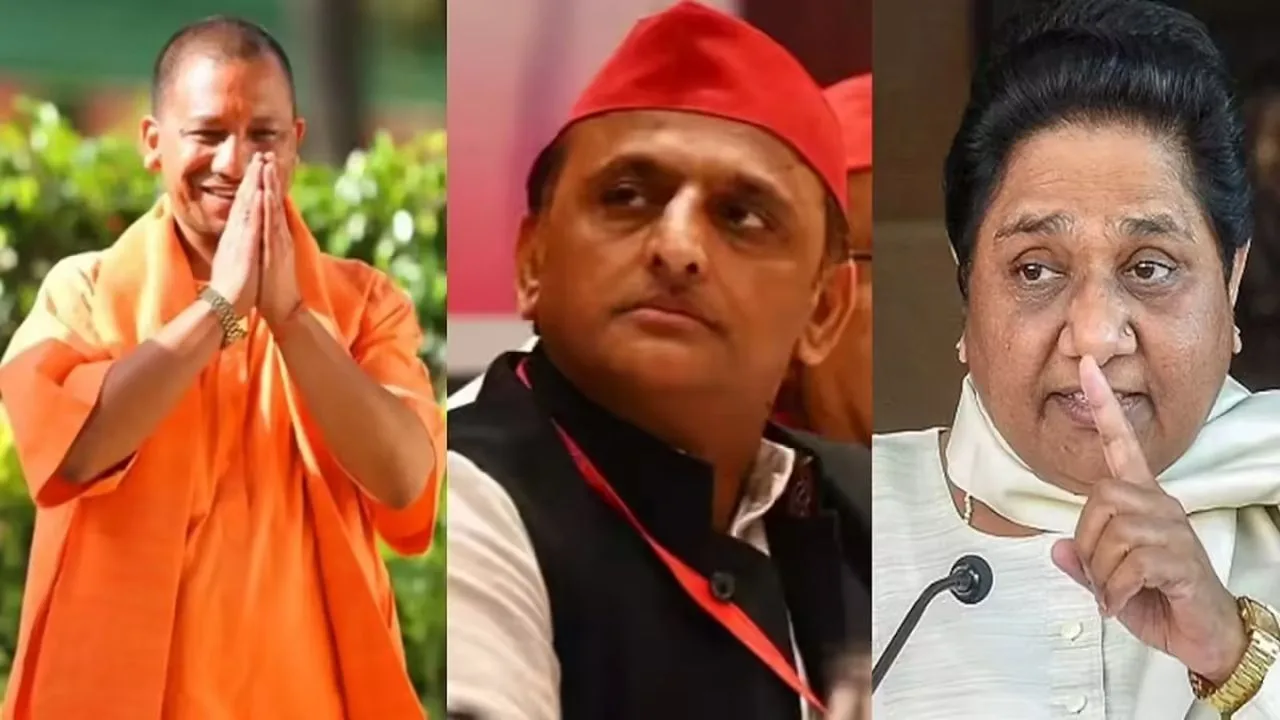
UP Election 2027: As UP approaches the 2027 elections, the political landscape is shaped significantly by the major parties: the Bharatiya Janata Party (BJP), the Samajwadi Party (SP), and the Indian National Congress (INC). Each of these parties has cultivated a unique identity and strategy, influencing their positions and voter perceptions in this rapidly evolving political scenario.
The BJP, currently the ruling party at the national level, has established a strong organizational framework and a focused strategy aimed at reinforcing its voter base. Its success in the previous elections is attributed to a combination of effective communication of its policies, development initiatives, and the promotion of a nationalist rhetoric that resonates with a considerable portion of the electorate. As the party gears up for the 2027 elections, it continues to leverage its achievements in governance while simultaneously addressing socio-economic challenges faced by citizens.
In contrast, the Samajwadi Party, with its roots in Uttar Pradesh politics, seeks to reclaim influence amidst a competitive landscape. The SP’s electoral strategies have included outreach to marginalized communities and a focus on regional issues that matter to voters at the grassroots level. The party’s past performances reflect a volatile relationship with the electorate, driven by both successes and setbacks. As the 2027 elections near, the SP is tasked with re-energizing its base and expanding its appeal beyond its traditional strongholds.
On the other hand, the Indian National Congress, once regarded as the dominant political force in India, is undergoing a critical phase of re-assessment and restructuring. The INC has encountered difficulties in recent elections, resulting in significant losses. In preparation for 2027, the party is focusing on reconstructing its identity, promoting unity among factions, and addressing public grievances through effective policy proposals. The perception of the Congress party among voters remains mixed, with a need for revitalization to court undecided and disillusioned voters.
The interplay between these parties and their evolving strategies will undoubtedly shape the dynamics in the lead-up to the elections. Understanding voter sentiments and adapting to the current political climate will be crucial for the success of the BJP, SP, and Congress as they seek to secure mandates in the upcoming electoral battle.
Regional Parties’ Influence in UP Election 2027: BSP and AIMIM
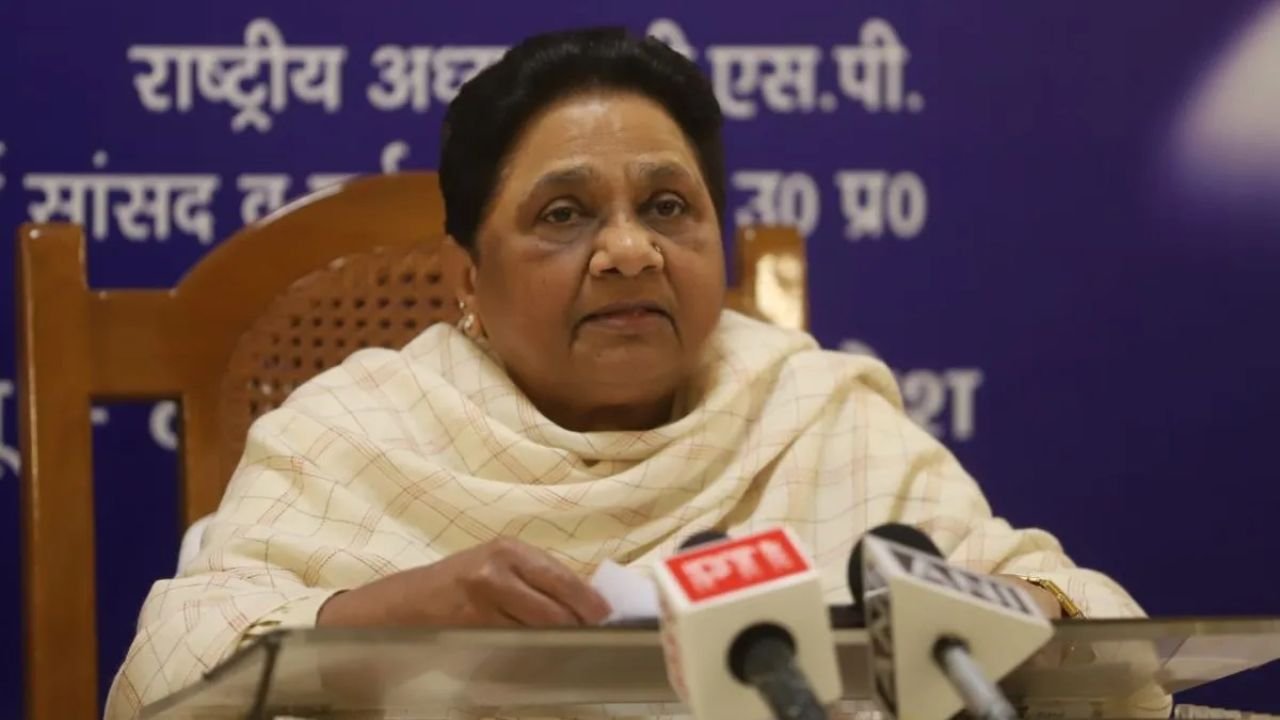
The 2027 Election Landscape is expected to be significantly influenced by regional parties, particularly the Bahujan Samaj Party (BSP) and the All India Majlis-e-Ittehad-ul-Muslimeen (AIMIM). These parties traditionally cater to specific voter demographics and operate within their respective regions while contributing to the larger political narrative.
The BSP, established by Kanshi Ram and later led by Mayawati, primarily focuses on the interests of the Scheduled Castes, Scheduled Tribes, and other marginalized communities in Uttar Pradesh and beyond. Their campaigns often emphasize social justice and empowerment, appealing to a substantial voter base that seeks representation in government. A notable aspect of the BSP’s strategy in the upcoming election may include the formation of potential alliances, which can alter the electoral dynamics. By collaborating with other regional parties or groups, the BSP could consolidate votes that would otherwise be fragmented among major national parties.
In parallel, the AIMIM, led by Asaduddin Owaisi, focuses on the interests of the Muslim community, particularly in urban areas. The party has made significant strides in states like Telangana and Maharashtra, and its messages often revolve around issues pertinent to minority rights and representation. The AIMIM’s influence in the election could serve as a counterbalance to mainstream parties, particularly in constituencies with a high Muslim population. Its ability to forge alliances or raise coalitions with regional parties, like the BSP, could play a crucial role in forming a united front against larger national entities.
Furthermore, both parties wield considerable influence over their respective regions by mobilizing voters who otherwise may feel disenfranchised. The strategies employed by BSP and AIMIM, alongside their ability to ally with other like-minded parties, are likely to have profound implications on the overall outcomes of the 2027 elections. This evolving political landscape underscores the importance of regional parties in shaping broader electoral trends and influencing major players in Indian politics.
Critical Social Factors: Caste Dynamics
The role of caste in Indian politics has been a significant determinant of voting behavior and party allegiance, particularly in the context of the upcoming 2027 elections. Considering the diversity within Indian society, caste dynamics play a critical role in shaping the electoral landscape. Different caste groups often exhibit distinct political preferences, which can substantially influence the strategies employed by parties aiming to secure their votes.
Caste identities are deeply ingrained in social structures, and they can determine how communities align with various political entities. Major caste groups such as Brahmins, Dalits, OBCs (Other Backward Classes), and Adivasis (Indigenous Communities) frequently seek representation that caters to their unique needs and aspirations. For instance, parties that have historically been aligned with specific caste groups may adopt strategies that enhance their appeal and ensure electoral loyalty from these communities. This is achieved through targeted campaigns, promises of social welfare schemes, and the nomination of candidates that resonate with particular caste sentiments.
The significance of caste dynamics extends to the formulation of campaign strategies, wherein political parties assess the caste composition of constituencies to tailor their outreach programs. By understanding the demographic landscape, parties can mobilize their base effectively, ensuring that key voters feel represented. Furthermore, alliances between different caste groups can lead to shifts in traditional voting patterns, potentially altering the outcome of elections. In some regions, for instance, a coalition of Dalits and OBCs may challenge the longstanding dominance of upper-caste candidates.
As the 2027 elections approach, it is clear that caste will remain a pivotal factor influencing voter behavior and party strategies. Political analysts will need to closely examine these dynamics, recognizing that the interplay between caste affiliations and electoral choices continues to evolve. This evolution will undoubtedly shape the strategies adopted by various political players in the lead-up to the elections, making it essential to closely monitor these developments.
Impact of Recent Protests in UP Election 2027: Jantar Mantar
The Jantar Mantar protest has emerged as a significant event in the political landscape leading up to the 2027 elections. This protest, characterized by the participation of a diverse group of individuals and organizations, reflects a growing public discontent regarding various socio-political issues. The implications of this protest are multifaceted, especially in terms of public sentiment and the narratives that shape political discourse.
Firstly, the protest has the potential to significantly influence voter mobilization. When large groups gather to voice their grievances, it often galvanizes public opinion, creating a sense of urgency and a call-to-action among citizens who may feel disenfranchised or ignored by current political agendas. The sheer visibility of the protest at a location as iconic as Jantar Mantar serves to amplify these sentiments, making the issues at hand unavoidable topics in political discussions.
This heightened awareness can lead to increased participation in the electoral process as citizens become more informed and motivated to express their views through their votes. Consequently, political parties may be compelled to reassess their strategies, particularly in regions heavily affected by the themes raised during the protest. Issues such as social justice, economic inequality, and governmental accountability, which dominated the discourse at Jantar Mantar, may prompt parties to adjust their platforms to align more closely with the aspirations of the electorate.
Moreover, the protest serves as a litmus test for the effectiveness of current political leaders. It raises critical questions about their responsiveness to public concerns and the efficacy of their governance. As parties prepare for the 2027 elections, the narratives shaped by such protests will likely dictate the tone of campaign messaging and political engagement, making it essential for parties to maintain alignment with the electorate’s evolving expectations.
In conclusion, the implications of the Jantar Mantar protest on public sentiment and political narratives will be pivotal as the 2027 elections approach. Its impact on voter mobilization and party strategies underscores the interconnectedness of grassroots activism and electoral politics in contemporary democratic processes.
Ram Mandir Issue: A Rallying Point
The Ram Mandir issue has served as a pivotal aspect of political discourse in India, particularly regarding the Bharatiya Janata Party (BJP) and its connection with Hindu voter sentiment. This issue is not merely a religious concern but has evolved into a symbol of cultural identity and pride within the Hindu community. As the BJP positions itself as the champion of Hindu interests, the Ram Mandir initiative provides a compelling focal point for its electoral strategy.
In previous elections, the construction of the Ram Mandir in Ayodhya has rallied significant support, invoking sentiments that resonate deeply with a large segment of the electorate. The BJP has effectively utilized this issue not only to consolidate its base but also to attract undecided voters by framing it as a matter of faith and historical justice. The emotional weight carried by the Ram Mandir issue often overshadows other pressing socio-economic concerns, such as employment and development, illustrating its unique ability to mobilize voters based on religious lineages.
Moreover, the implications of this issue extend beyond the immediate electoral landscape. As the BJP seeks to maintain its hold over the Hindu voter demographic, the Ram Mandir position is likely to serve as a rallying point that reaffirms the party’s connection to Hindu nationalism. This strategy might not only energize core supporters but could also appeal to moderate voters who prioritize cultural and religious identities in their political choices. Consequently, the interplay between the Ram Mandir issue and Hindu voter sentiment is crucial in shaping the electoral outcomes in the 2027 elections.
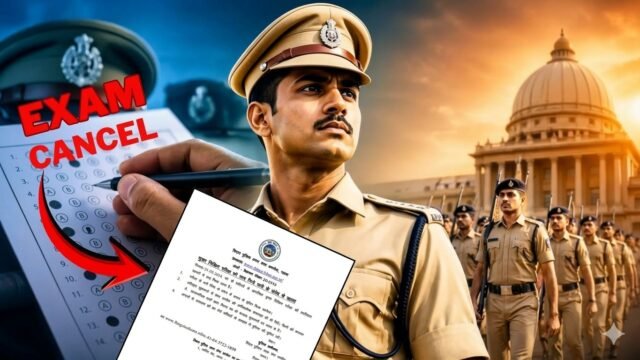
Electoral Integrity in UP Election 2027: Paper Leak Controversies
The integrity of elections is paramount to a functioning democracy, yet recent controversies surrounding paper leaks have raised serious concerns about the electoral process. These leaks, which involve the unauthorized disclosure of examination materials or sensitive electoral information, have sparked widespread debate and skepticism among the electorate. Such occurrences not only undermine confidence in the electoral mechanisms but also have the potential to alter public perception with regard to the fairness and transparency of upcoming elections.
One significant aspect of the paper leak controversies is the potential erosion of public trust. When voters believe that crucial information is being mishandled or manipulated, their faith in the democratic process diminishes. This diminished trust can inevitably lead to lower voter turnout, as individuals may feel their participation will not impact outcomes they perceive to be predetermined or influenced by deceitful practices. Historical data indicates that controversies like these often correlate with a decline in electoral engagement, prompting parties and candidates to devise new strategies to capture a disillusioned voter base.
In light of these controversies, political parties may need to reassess their campaign approaches. Candidates might emphasize transparency and integrity in their messaging, addressing public concerns directly and reinforcing their commitment to ethical practices. Furthermore, parties may invest in outreach programs that aim to rebuild trust with constituents by demonstrating accountability. As the political landscape evolves leading up to the 2027 elections, understanding the ramifications of the paper leak scandals will be critical in shaping both voter turnout and party strategies. Ultimately, navigating these controversies will require a collective effort to restore voter confidence and safeguard the sanctity of the electoral process.
Economic Policies Effect on UP Election 2027: E20 and Beyond
The upcoming 2027 election is poised to be significantly influenced by economic policies, particularly the implementation of E20 fuel initiatives among other economic measures. E20, which is a gasoline blend containing up to twenty percent ethanol, represents a substantial pivot towards more sustainable fuel options. This initiative not only addresses environmental concerns but also aims to stimulate local economies by promoting the agricultural industry, particularly corn producers, who are key suppliers of ethanol. As voters become increasingly aware of such policies, their perceptions will undoubtedly shape their choices at the polls.
Furthermore, economic policies impact voter sentiment in distinct ways. For example, voters are likely to respond positively to initiatives that promise lower fuel costs or enhanced economic growth through green technology investment. The governing parties will need to emphasize these aspects in their campaign strategies. Initiatives that showcase a direct benefit to voters—like job creation in the renewable energy sector—may offer a competitive edge in the electoral landscape. Consequently, how well parties communicate these benefits may influence their overall success.
On the other hand, controversies surrounding the viability of E20 fuels, such as food price inflation and debates over its environmental benefits, can complicate voter perception. Major parties may find themselves needing to clarify their positions on these issues in order to mitigate any potential backlash. As both sides navigate these economic dynamics, it is crucial that they articulate their stances effectively to resonate with their constituents.
In essence, economic policies, including E20 fuel initiatives, hold the power to shape the electoral narrative for the 2027 election. As campaigns evolve, the ability of major parties to align their strategies with voter concerns regarding economic welfare will be vital in determining their electoral fate.
Voter Demographics in UP Election 2027: Understanding the Electorate
As we approach the 2027 elections in India, it is imperative to analyze the evolving demographics of the electorate. Changes in population dynamics and increasing voter engagement among different groups will play a significant role in shaping electoral outcomes. A notable aspect of this evolution is the growing presence of young voters, who are expected to bring fresh perspectives and priorities to the forefront of the electoral debate.
According to recent studies, the youth demographic, particularly those aged 18-25, is becoming increasingly active in the political sphere. This engagement is fueled by social media and digital campaigns, which resonate well with younger generations. Their interests often revolve around issues such as employment, education, climate change, and social justice. As this segment of the population continues to expand, political parties are likely to adapt their messaging and policy proposals to attract these young voters.
Another critical factor to consider is the urban-rural divide that has historically characterized Indian elections. Urban areas, with their diverse socio-economic backgrounds, tend to be more politically active and aware of contemporary issues compared to their rural counterparts. Conversely, rural areas often face challenges related to infrastructure, agriculture, and basic amenities, influencing their voting behavior considerably. Understanding how these contrasting geographic demographics affect electoral decisions will be crucial for political strategists.
Socioeconomic factors also significantly impact voter behavior. As India continues to experience economic growth, disparities in income and wealth may influence political affiliations and priorities. For instance, upper and middle classes in urban settings may prioritize economic stability and global competitiveness, while lower-income groups might focus on basic needs and welfare programs. These varying priorities will necessitate a careful examination of the electorate’s needs and demands leading up to the elections.
In conclusion, the demographic landscape of the Indian electorate is rapidly transforming, influenced by youth engagement, geographic divides, and socioeconomic conditions. Political parties must recognize and respond to these shifts to remain relevant and competitive in the 2027 elections.
Predictions and Potential Outcomes for UP Election 2027
As we analyze the ever-evolving dynamics of the political landscape in anticipation of the 2027 elections, a comprehensive examination of various influencing factors points toward several possible scenarios. The political allegiances and ambitions of key players are expected to shape the election atmosphere significantly. Given that the multi-party context has become a staple in contemporary politics, various coalitions might emerge as parties seek to enhance their chances of securing power.
One potential scenario is the formation of a progressive coalition among left-leaning parties. This coalition could capitalize on growing public support for issues like climate change, social justice, and economic equity. Such a partnership may include established parties alongside newer movements, amplifying their message and contrasting sharply with the more conservative elements of the political spectrum. The effectiveness of this coalition will hinge on its ability to communicate a unified vision to voters while balancing diverse viewpoints within its ranks.
Conversely, right-leaning factions could consolidate their influence by rallying around shared values such as nationalism and economic deregulation. The emergence of populist sentiments, particularly in light of economic uncertainties, may lead to polarization but could also galvanize a significant voter base. Additionally, in this multi-party environment, traditional parties will likely contend with the rise of smaller, niche parties that focus on specific demographic issues, further complicating the voting landscape.
Major themes in the campaigns leading to the elections will not only revolve around local and national economic performance but also touch on social issues, healthcare, and education reform. The candidates’ ability to resonate with the public on these themes could determine their electoral success. The anticipated debates and rallies will further spotlight differences in candidates’ approaches to these critical themes.
In conclusion, while projecting the exact outcomes for the UP Election 2027 remains speculative, the interplay of factors such as coalition building, campaign themes, and voter sentiment points toward a highly contested political environment. Engaging with these elements will be essential for predicting possible winners amidst a diverse array of political contenders.
Read More Here
- Waterproof Mascara Side Effects: वॉटरप्रूफ मस्कारा का रोजाना इस्तेमाल बिगाड़ सकता है आंखों की सेहत, जानें बचाव के तरीके
- Vikramshila Setu Closure: विक्रमशिला सेतु 1 सितंबर से तीन महीने के लिए बंद, यात्रियों की सुविधा को दिसंबर तक चलेगी स्पेशल ट्रेन
- PM Fasal Bima Yojana: राजस्थान में बढ़ी फसल बीमा की अंतिम तिथि, अब 16 अगस्त तक आवेदन कर सकेंगे किसान
- Foaming Face Wash vs Gel Cleanser: जानें आपकी स्किन के लिए कौन सा है बेस्ट क्लींजर
About The Author