The United States is conducting pivotal midterm elections today that will determine which political party holds the majority in the Senate and the House of Representatives. These elections, occurring two years into the presidential term, serve as a critical juncture for the nation’s legislative branch and its future direction. The results will not only test the current standing of the Republican party but also evaluate the impact of President Donald Trump’s declining popularity on the political landscape. As citizens head to the polls, the outcome will dictate the level of oversight at Capitol Hill and the domestic policy agenda for the remaining two years of the current administration.
The Significance of Midterm Elections in the American System
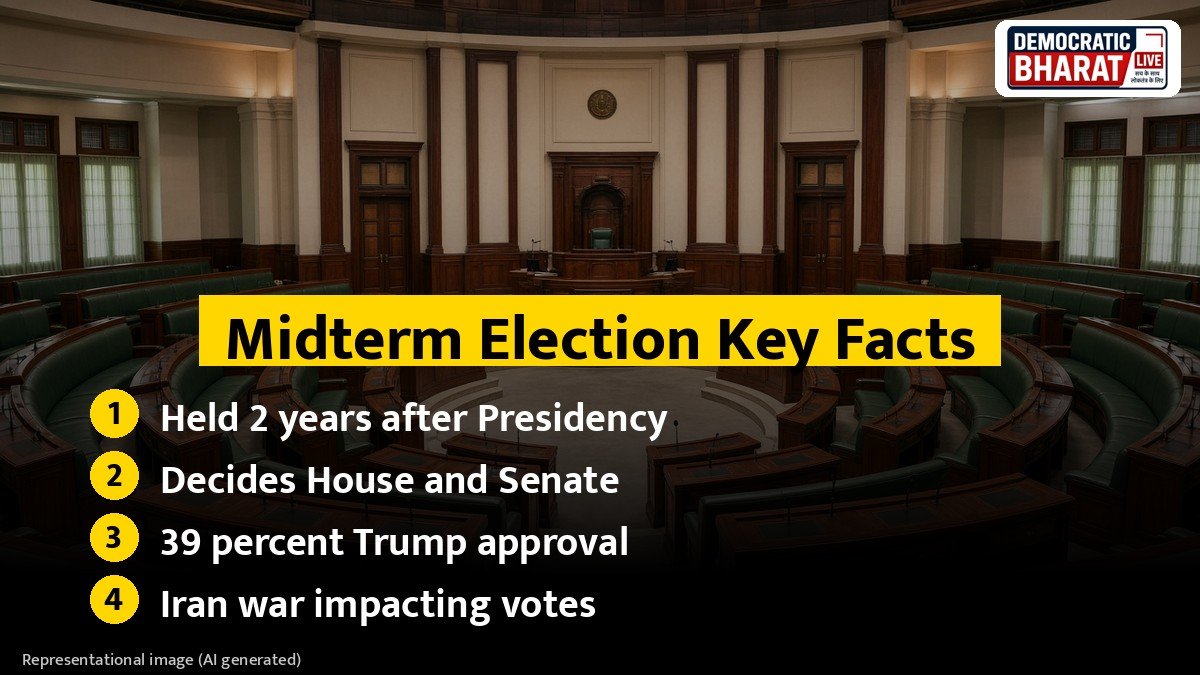
Midterm elections in the United States are traditionally held at the midpoint of a president’s four year term. They are essential because they determine the composition of the legislative branch, which includes both the House of Representatives and the Senate. The results of these contests decide how the government will function until the next presidential election. If the sitting president’s party loses control of either chamber, it significantly hampers their ability to pass legislation and implement their policy goals. This year, the central question revolves around whether the Republican party can maintain its grip on power or if a shift in public sentiment will allow the Democrats to reclaim the majority. The legislative branch’s ability to act as a check on the executive branch is at the heart of these electoral battles.
Economic Challenges and Foreign Policy Impacting Voter Choice
Economic concerns have emerged as a primary driver for voters in this election cycle. Inflation and the rising costs of healthcare are significant issues that have caused widespread dissatisfaction among the American public. Many voters supported Donald Trump with the expectation that he would reduce inflation, yet the current economic environment remains difficult. Gas prices have reportedly doubled, and the cost of diesel has seen a sharp increase, contributing to higher prices for various goods. Furthermore, the affordability of housing and rent has become a major hurdle for many families. Beyond domestic economics, the war with Iran that began in February has become a focal point of criticism. The ongoing nature of the conflict and its economic repercussions have led many to believe that the country is moving in the wrong direction.
President Trump’s Popularity and Public Sentiment
The current administration is facing a notable decline in public approval ratings as the midterm elections take place. Recent data indicates that President Donald Trump’s job approval rating stands at approximately 39 percent, while 61 percent of the population expresses disapproval of his performance. This dissatisfaction is largely attributed to the administration’s inability to curb inflation and the failure to conclude the war with Iran as many had hoped. Historically, when voters have supported Trump, the Republican party has benefited significantly at the polls. However, the current trend suggests that the public is increasingly unhappy with the administration’s handling of core issues. This shift in sentiment poses a direct threat to the Republican majority in both the House of Representatives and the Senate.
Polling Trends and the Potential for a Blue Wave
Political polling in the lead up to the elections has suggested the possibility of a Blue Wave, indicating a significant surge in support for the Democratic party. Some reliable polls project that Democrats could secure as many as 250 seats in the House of Representatives. Their prospects in the Senate also appear to be improving compared to earlier in the year. Approximately six months ago, it was estimated that Democrats might only reach 50 or 51 seats, but current projections suggest they could attain 53 to 54 seats. Despite these favorable numbers, there is a known discrepancy in polling data regarding Republican voters. Supporters of the Republican party often do not participate in surveys or answer polling calls, whereas Democratic supporters tend to be more active in such polls. Therefore, the actual results may differ from these projections.
Republican Ideology and the MAGA Support Base
The Republican party continues to rely on its core conservative ideology and the America First policy that helped it secure victory in 2024. The party advocates for minimal government interference in business and a strong nationalistic approach to foreign policy. At that time, the party held a majority in the White House, the Senate, and the House of Representatives. A major source of strength for the party remains the MAGA (Make America Great Again) supporters who maintain a deep sense of trust and loyalty toward Donald Trump. These supporters believe in his ability to transform the nation’s fortunes. However, the current economic reality, characterized by high prices and a lack of jobs, has weakened the party’s position. The inability to reverse the price hikes seen in previous years remains a significant vulnerability for the Republicans.
Democratic Strategy and the Challenge of Voter Turnout
For the Democrats, the primary strategy is to capitalize on the anti-incumbency sentiment directed at the Trump administration. While polling looks promising, the party faces the immense challenge of ensuring that its supporters actually turn out to vote. The memory of the 2016 presidential election serves as a cautionary tale, where many Democratic voters stayed home after polls predicted a victory for Hillary Clinton. This year, the party is also working to win over independent voters by moderating its stance on certain controversial issues. Previously, the party faced criticism for its positions on open borders, immigration, and transgender policies. In this election, Democratic candidates have been less vocal about these specific topics, aiming to present a more balanced platform to attract a broader range of voters and secure a legislative majority.
Also Read: National School of Drama: History, Famous Alumni, Bharat Rang Mahotsav and How Admission Works
Source / स्रोत: Aaj Tak