The thyroid is a small butterfly shaped gland in the neck. It makes hormones that control metabolism, energy, body temperature and many other functions. Thyroid disorders are common in India, especially among women. Here is a simple guide to thyroid tests and symptoms.
How common is it
A multi city study published in 2013 in the Indian Journal of Endocrinology and Metabolism, led by endocrinologist Dr A G Unnikrishnan and colleagues, found hypothyroidism in about one in ten adults in eight Indian cities, with many cases not diagnosed earlier. Women were affected more often than men.
The main thyroid tests
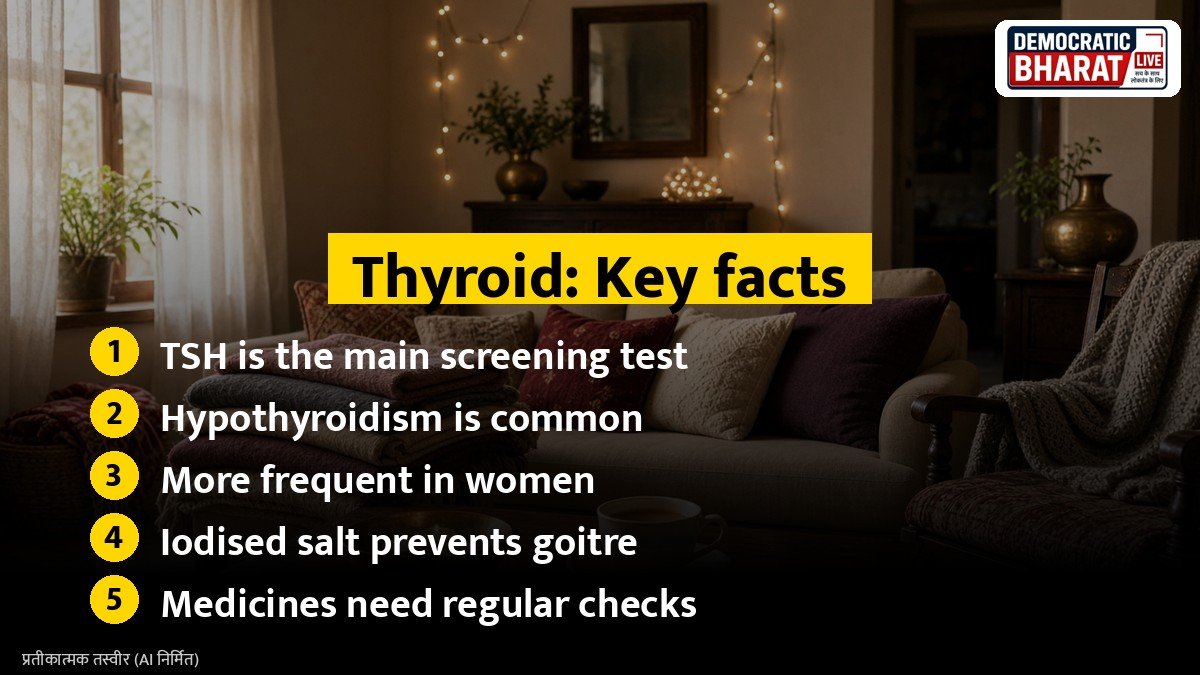
- TSH (thyroid stimulating hormone): made by the pituitary gland, it is the main screening test. A high TSH usually points to an underactive thyroid, and a low TSH to an overactive thyroid.
- T4 (thyroxine) and free T4: the main hormone made by the thyroid.
- T3 (triiodothyronine): the active form of thyroid hormone.
- Anti TPO antibodies: help detect autoimmune thyroid disease.
Normal ranges vary between laboratories. Your doctor will interpret results based on your symptoms and history.
Hypothyroidism: underactive thyroid
Common symptoms include:
- Tiredness and low energy.
- Weight gain.
- Feeling cold.
- Dry skin and hair loss.
- Constipation.
- Irregular or heavy periods.
- Low mood.
Also Read: AQI Categories Explained: What Good, Poor, Very Poor and Severe Air Quality Mean for You | Green Crackers Explained: How They Differ From Regular Firecrackers and How to Identify Them
Hyperthyroidism: overactive thyroid
Common symptoms include:
- Weight loss despite good appetite.
- Fast heartbeat or palpitations.
- Feeling hot and sweating.
- Anxiety and shaky hands.
- Loose motions.
- Bulging eyes in some cases.
Who should get tested
- People with the symptoms above.
- Women planning pregnancy or who are pregnant, as advised by their doctor.
- People with a family history of thyroid disease.
- Those with other autoimmune conditions or diabetes.
Treatment
- Hypothyroidism is usually treated with a daily thyroid hormone tablet, taken on an empty stomach.
- Hyperthyroidism may be treated with medicines, radioactive iodine or surgery.
- Regular blood tests are needed to adjust the dose. Do not change or stop medicines on your own.
Iodine and iodised salt
Iodine deficiency can cause goitre and thyroid problems. India runs the National Iodine Deficiency Disorders Control Programme, which promotes the use of iodised salt. Using iodised salt in moderation is an easy way to meet iodine needs.
Bottom line
Thyroid problems are common but treatable. A simple TSH test can detect them, and with the right treatment and regular checks, people live normal lives.
Disclaimer: This article is for general information only and is not a substitute for medical advice. Consult a qualified doctor before starting any treatment or if you have symptoms.
Source / स्रोत: Ministry of Health and Family Welfare, Indian Council of Medical Research, World Health Organization