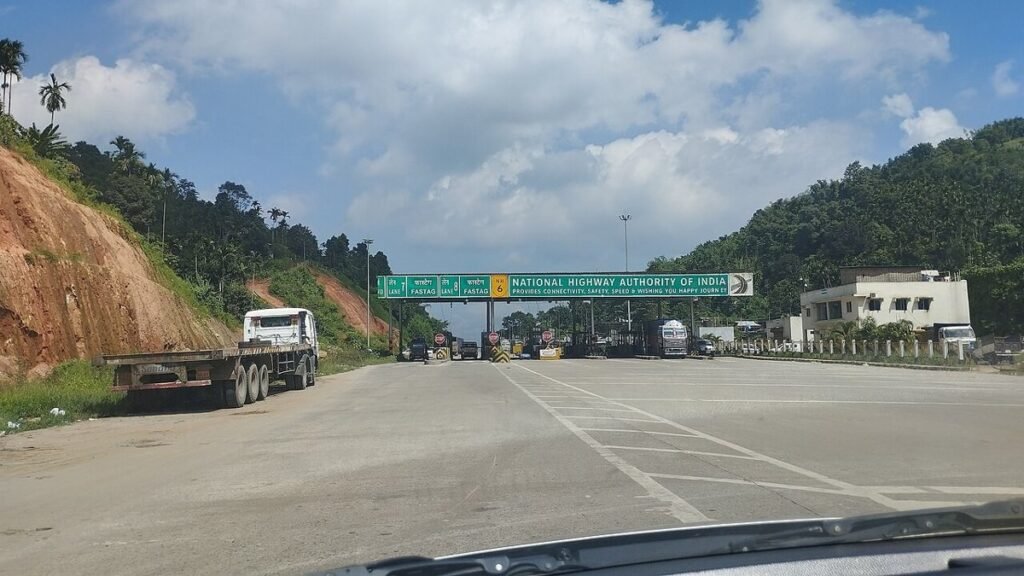
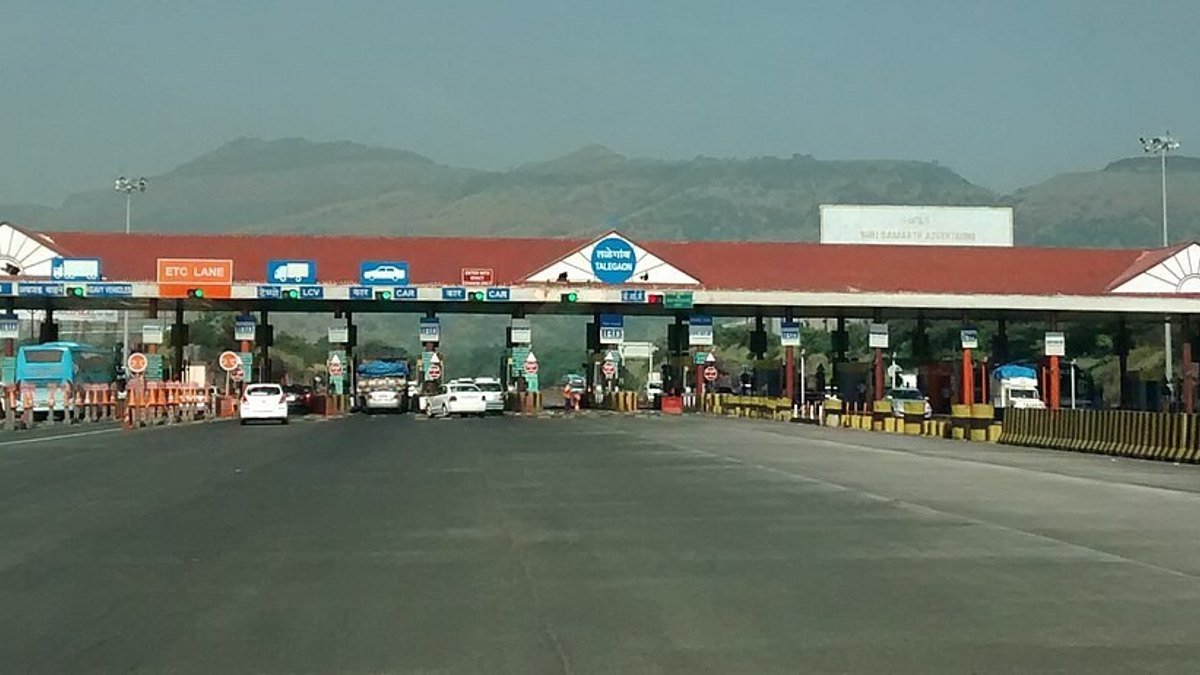
FASTag is a small RFID, or radio frequency identification, sticker fixed on the inside of a vehicle’s windscreen. When the vehicle passes through a FASTag lane at a toll plaza, a reader scans the tag and the toll is deducted automatically from the linked account or wallet. The system is part of the National Electronic Toll Collection programme developed by the National Payments Corporation of India. On national highways, it is operated through the National Highways Authority of India and its company, Indian Highways Management Company Limited.
FASTag is mandatory at national highway toll plazas. Entering a FASTag lane without a valid, active tag can attract a higher fee under the rules. It is wise to check the status of your tag before setting out on a highway trip.
Where to get a FASTag
FASTags are issued by authorised banks through their branches, websites and apps, and at point of sale counters at toll plazas. You need KYC documents such as the vehicle’s registration certificate, the owner’s identity proof and address proof. The tag is linked to the vehicle registration number, so it cannot be moved to another vehicle. It must be fixed on the windscreen; holding it in the hand or leaving it on the dashboard is against the rules.
One vehicle, one FASTag
NHAI has implemented the One Vehicle One FASTag initiative. It means a vehicle should have only one active FASTag and a FASTag should be linked to only one vehicle. If several tags have been issued for the same vehicle by different banks, only the latest one stays active and the others are deactivated. To recover the balance on an old tag, contact the bank that issued it.
Why KYC matters
FASTag is a payment instrument, so Reserve Bank of India KYC norms apply to it. Banks can deactivate or blacklist tags whose KYC is incomplete. To update KYC, use the portal or app of the bank that issued your tag. Many banks also ask for a clear front photo of the vehicle showing the number plate and the fixed tag.
Ways to recharge
You can recharge through the issuer bank’s website or app, UPI, net banking and many payment apps. Some banks let you link the tag to your savings account with automatic top up when the balance falls. A recharge can take a little time to reflect, so top up well before a trip rather than at the toll plaza. You receive an SMS for every toll deduction; read it carefully.
Avoiding a blacklist
Common reasons for blacklisting are low or zero balance, incomplete KYC, multiple tags on one vehicle and irregularities linked to the vehicle registration. Keep enough balance, finish KYC and close an old tag when you replace it. The status of your tag can be checked on the issuer bank’s portal.
If you were charged at a plaza you did not pass, or charged twice for one trip, complain to the bank that issued your tag. NHAI’s helpline 1033 is also available for highway related help. Include the vehicle number, toll plaza name, date and time in your complaint.
Some states and expressway authorities run their own toll systems, but FASTag works across the national network. The government has also announced annual pass options for private vehicles on national highways from time to time; check NHAI’s official notices for current schemes and terms before buying one.
When you sell a vehicle, close or transfer the FASTag through the issuing bank so that tolls are not charged to your account for trips you did not make. The new owner should get a fresh tag in their own name with proper KYC.
In short, FASTag makes toll payment fast and cashless. Keep one active tag per vehicle, complete KYC, maintain enough balance and fix the tag properly on the windscreen. For the latest rules, rely on NHAI, IHMCL and your issuing bank.
Also Read: UMANG App Guide: How to Use One App for EPF, Pension, Gas, Tax and Many Government Services
Source: NPCI, National Electronic Toll Collection, National Highways Authority of India, Indian Highways Management Company Ltd