The Indian Oil Corporation has officially announced a revision in the prices of commercial liquefied petroleum gas cylinders, effective from November 1, 2026. This adjustment specifically targets the 19 kg cylinders used by various commercial establishments across the country. The price hike comes at a critical time, just as the nation prepares for the Diwali festivities, and marks the third consecutive month that commercial gas rates have been increased. While businesses face higher costs, the prices for domestic LPG cylinders, which weigh 14.2 kg and are used in households, have been kept stable, providing some relief to individual consumers during the peak festive season.
New Rates for Commercial LPG in Metropolitan Cities
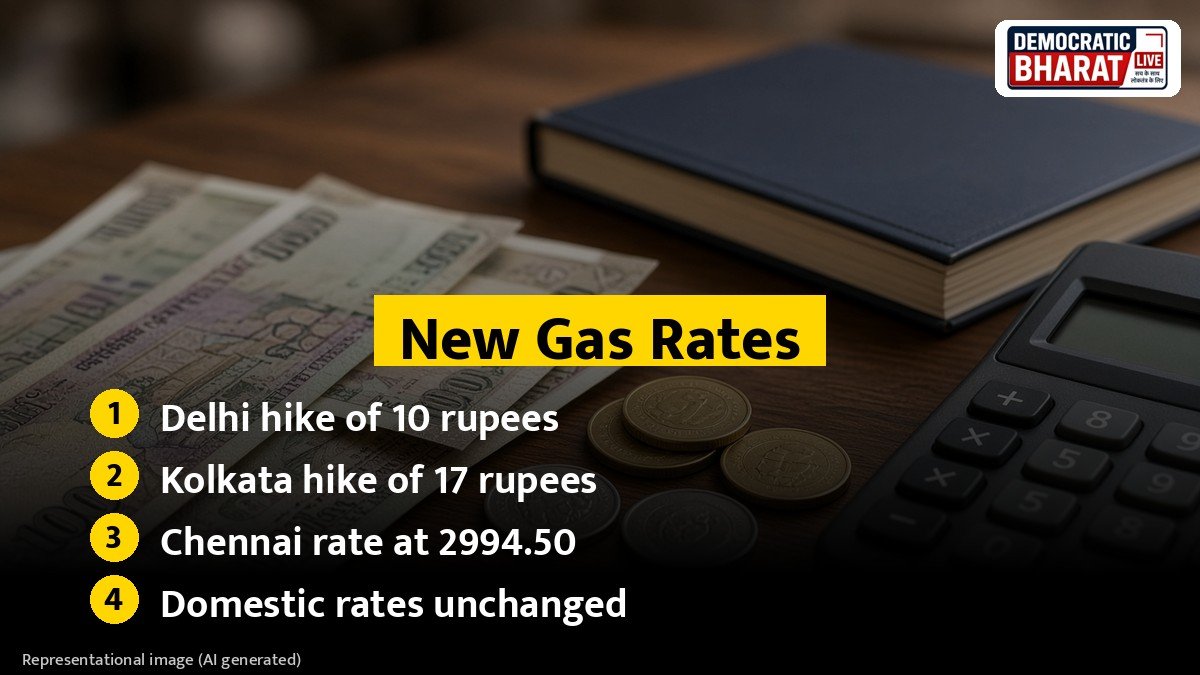
The price revision has led to varying increases across the major metropolitan cities of India. In the national capital, Delhi, the cost of a 19 kg commercial cylinder has risen by 10 rupees. Previously priced at 2,810 rupees in October, the new rate in Delhi stands at 2,820 rupees as of November 1, 2026. Kolkata has experienced the most significant increase among the metros, with prices jumping by 17 rupees. This sharp rise in Kolkata highlights the regional differences in fuel pricing adjustments. In Chennai, the price of a commercial cylinder has moved from 2,983 rupees to 2,994.50 rupees, which is an increase of 11.50 rupees. Mumbai continues to have the lowest rates among these four major cities, although it has also seen an upward trend in pricing over the recent months as per the latest data from the oil marketing companies.
Analysis of Price Trends Since August
The most concerning aspect for commercial gas consumers is the persistent upward trajectory of prices over the last three months. Since August 2026, the cost of commercial LPG has been rising steadily without any downward revision. In Delhi, the cumulative increase over this three month period has reached 82 rupees. Kolkata has seen the steepest overall climb, with a total increase of 98.50 rupees since August. Mumbai, despite having lower absolute prices, has seen a total hike of 83.50 rupees over the same period. Chennai has also recorded a substantial cumulative increase of 88.50 rupees since the beginning of August. These figures indicate a consistent policy of price upward revision by oil marketing companies during the latter half of the year, impacting the financial planning of small and large businesses alike.
Status of Domestic LPG Cylinder Prices
In contrast to the rising costs in the commercial sector, the prices for domestic LPG cylinders have remained unchanged. The 14.2 kg cylinders, which are a staple in Indian households for cooking purposes, continue to be sold at their previous rates. The last time domestic cylinder prices saw any modification was in June. Since then, the government and oil marketing companies have maintained price stability for household consumers. This distinction between commercial and domestic pricing ensures that while the cost of eating out or purchasing prepared foods might rise, the direct cost of cooking at home remains unaffected for the general public. This stability is particularly important for families managing their household budgets during the expensive Diwali month.
Long Term Price Comparison from 2014 to 2026
A look at the historical pricing data provided by the Indian Oil Corporation reveals a significant long term increase in the cost of commercial gas. In November 2014, a 19 kg commercial cylinder in Delhi was priced at 1,449 rupees. Fast forward twelve years to November 2026, and the price for the same cylinder in the same city has reached 2,820 rupees. This represents a total increase of 1,371 rupees over a twelve year span. Such historical comparisons provide context to the current pricing environment, showing how the energy costs for the commercial sector have evolved over more than a decade. The data reflects the broader economic shifts and the changing dynamics of the fuel market in India, as documented on the official IOCL website.
Impact on Businesses and the Festive Season
The timing of this price hike is particularly noteworthy as it coincides with the Diwali festival. Commercial LPG cylinders are essential for the operations of hotels, restaurants, dhabas, catering services, and sweet shops. During the festive season, the demand for sweets and restaurant food peaks, leading to higher gas consumption in these establishments. With the increase in fuel costs, these businesses may face higher operational expenses. While the price of sweets or restaurant meals depends on various factors including labor and raw material costs, the rise in gas prices adds another layer of financial pressure. Business owners may eventually decide to pass some of this increased cost on to the consumers, although the extent of any such price hike in the food industry remains to be seen and will depend on individual business decisions.
Source / स्रोत: Prabhat Khabar