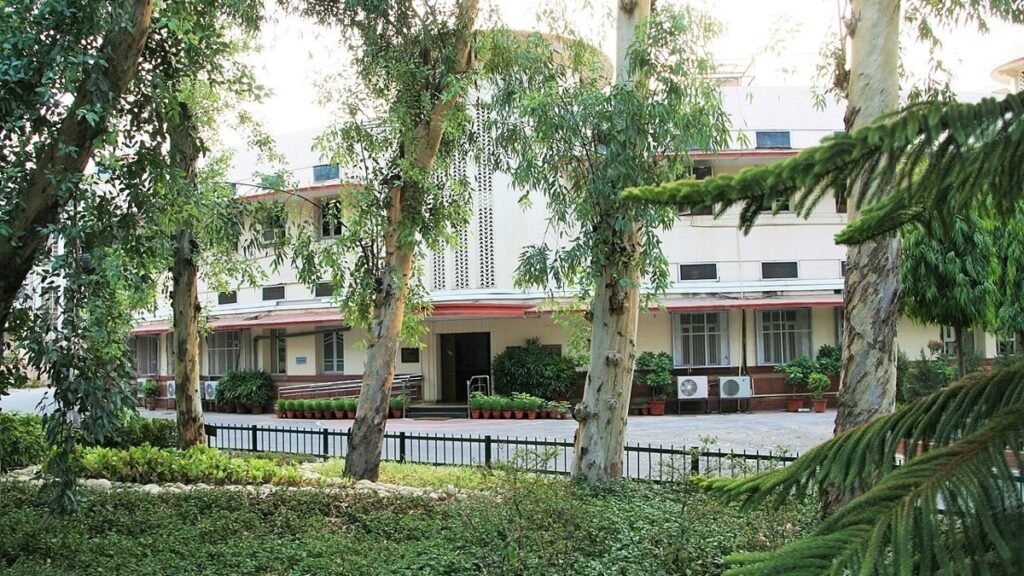
Anyone preparing for government jobs will come across two kinds of bodies again and again: the Union Public Service Commission, or UPSC, and the state public service commissions, such as the Uttar Pradesh Public Service Commission. Both are recruitment bodies, and both draw their authority from the Constitution of India. Yet their scope, the services they recruit for and the way they are accountable differ. Understanding these differences helps aspirants choose the right exam.
Constitutional basis
Part XIV of the Constitution deals with services. Article 315 provides for a Public Service Commission for the Union and one for each state. Two or more states can agree to have a joint commission. Article 316 deals with appointment: the Chairman and members of UPSC are appointed by the President, while those of a state commission are appointed by the Governor of that state. Under Article 317, the removal of members of both kinds of commissions takes place through the President, which protects their independence.
Article 320 sets out the functions of the commissions. Their main job is to conduct examinations for appointments to services. They also advise the government on methods of recruitment, promotions and disciplinary matters, among other subjects. Each commission submits an annual report; UPSC’s report is laid before Parliament and a state commission’s report before the state legislature.
What UPSC recruits for
UPSC’s best known exam is the Civil Services Examination, which selects candidates for the Indian Administrative Service, Indian Police Service, Indian Foreign Service and many central services. UPSC also conducts the Engineering Services, Combined Defence Services, National Defence Academy, Indian Forest Service and Combined Medical Services examinations, among others. Officers of the all India services are recruited by the centre but are allotted state cadres and serve both the states and the centre.
What state PSCs recruit for
State commissions recruit for services under the state government. In Uttar Pradesh, the Combined State Upper Subordinate Services Examination, popularly called PCS, selects candidates for posts such as Sub Divisional Magistrate and Deputy Superintendent of Police, along with many other state level posts. State commissions also recruit lecturers, assistant engineers, medical officers and, in many states, judicial officers, depending on state rules. State service officers can later be promoted into the all India services.
Exam structure
The UPSC Civil Services Examination and most state PCS exams follow three stages: a preliminary exam, a main exam and an interview. The preliminary exam is a screening test, and the main exam requires written answers. State exams give special weight to the history, geography, economy and culture of the state. Age limits, number of attempts and syllabus are given in each exam’s notification and can differ significantly.
Many aspirants prepare for both together, because a large part of general studies overlaps. Still, state specific topics and papers in Hindi or the regional language need separate preparation. Planning a timetable that covers the common core first and then the state specific portions is a practical approach followed by many candidates.
Where to get information
UPSC’s annual calendar, notifications and results are published on upsc.gov.in. Information about the Uttar Pradesh commission is on uppsc.up.nic.in, and every state commission has its own official website. Always verify notices on these websites instead of trusting forwarded messages on social media.
Aspirants should also keep an eye on official advertisements for other recruiting bodies, such as the Staff Selection Commission for central government posts below the gazetted level and state subordinate service selection boards for state posts. These are not constitutional commissions under Article 315, but they handle a very large share of government recruitment every year.
In short, UPSC is the central constitutional commission that recruits for all India and central services, while state public service commissions recruit for state services. Both were created under Article 315, and both exist to ensure fair, merit based selection for public service.
Source: Union Public Service Commission, Constitution of India, Legislative Department, Uttar Pradesh Public Service Commission