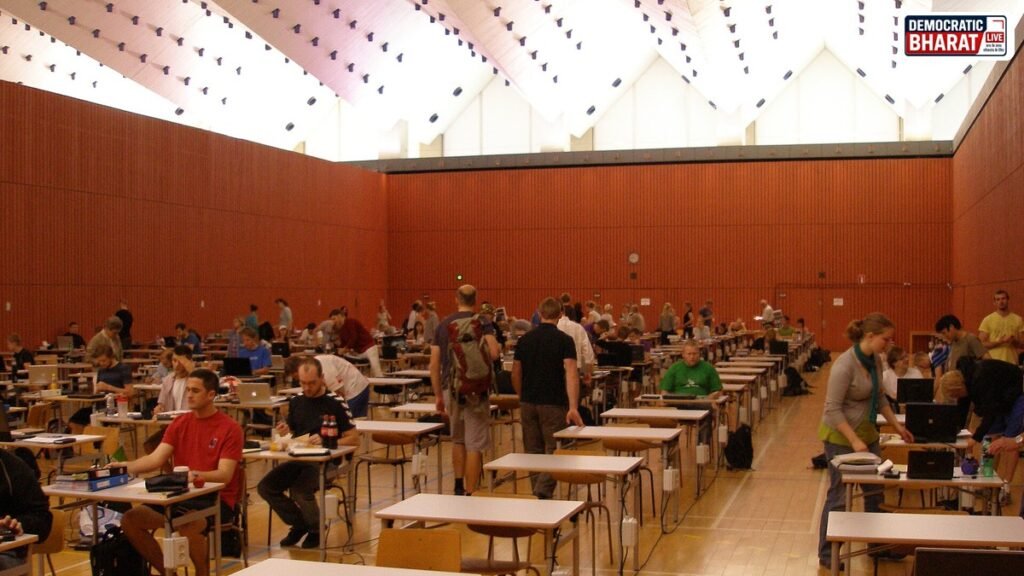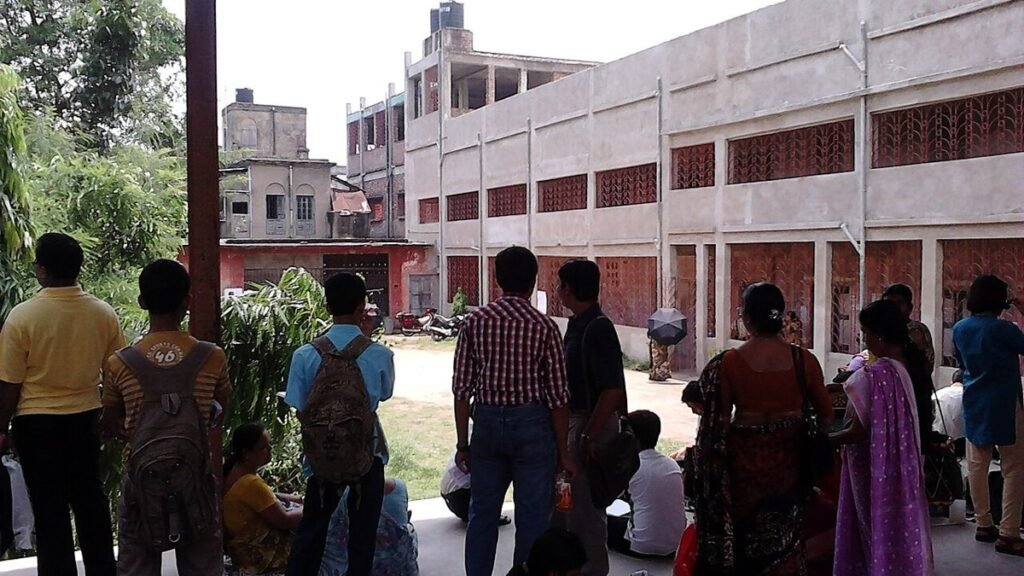
The Central Teacher Eligibility Test, known as CTET, is a national level test that checks whether a candidate meets the eligibility standard to teach in schools. After the Right to Education Act came into force, the National Council for Teacher Education, or NCTE, laid down that passing a Teacher Eligibility Test is an essential minimum qualification for teachers of Classes 1 to 8. At the central level, the test is conducted by the Central Board of Secondary Education. States also hold their own teacher eligibility tests.
It is important to understand that passing CTET does not guarantee a job. It only makes a candidate eligible. Recruitment is done separately by bodies such as Kendriya Vidyalaya Sangathan, Navodaya Vidyalaya Samiti and other employers, which ask for a CTET certificate as one of the conditions.
Paper 1 and Paper 2
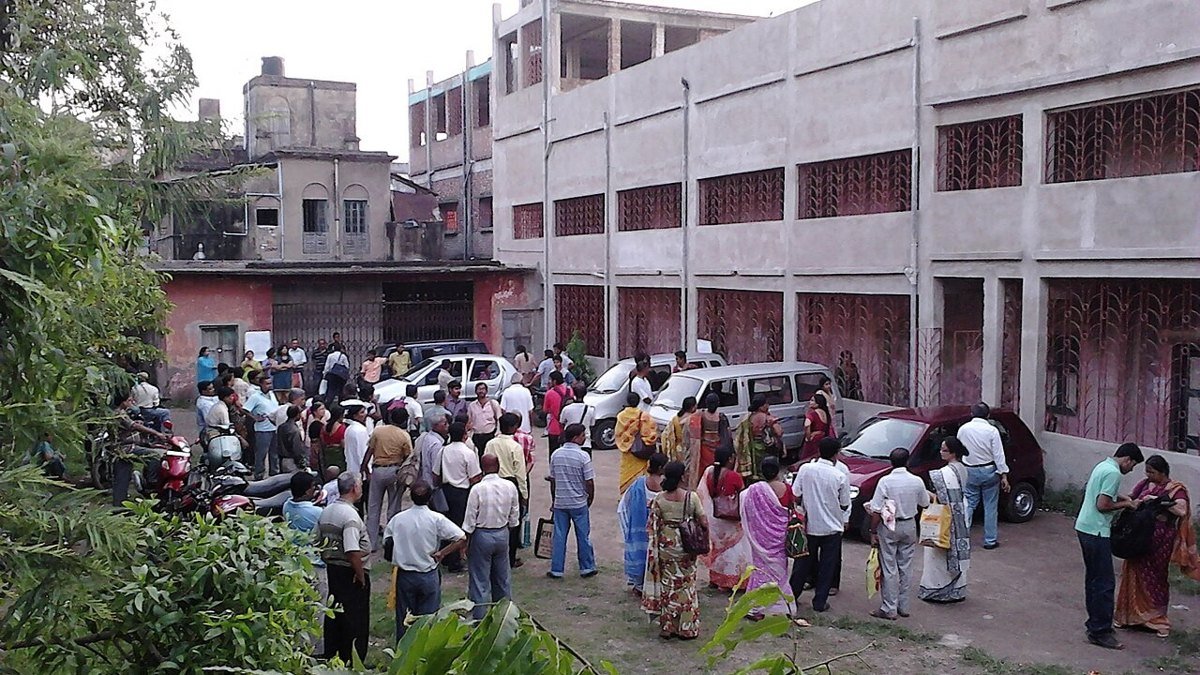
CTET has two papers. Paper 1 is for candidates who want to teach Classes 1 to 5, the primary stage. Paper 2 is for those who want to teach Classes 6 to 8, the elementary or upper primary stage. Candidates who want to teach at both levels can take both papers. Both consist of multiple choice questions, and past information bulletins have not provided for negative marking, though candidates should always read the current bulletin.
Paper 1 covers child development and pedagogy, Language 1, Language 2, mathematics and environmental studies. Paper 2 covers child development and pedagogy, Language 1 and Language 2, along with either mathematics and science or social studies. Those planning to teach mathematics and science choose the first option, and those planning to teach social science choose the second.
Who can apply
Minimum educational qualifications are set by NCTE notifications. For Paper 1, the general requirement is Class 12 along with a diploma in elementary education or an equivalent teacher training qualification. For Paper 2, it is a graduation degree along with a diploma in elementary education or a B.Ed. Candidates in the final year of their training programmes can usually apply subject to conditions. These rules have changed over time, so always rely on the eligibility given in the latest bulletin.
Qualifying marks and validity
Past CTET bulletins have set 60 percent or more as the qualifying mark. Relaxation for reserved categories may be given by the central government, state governments or recruiting bodies according to their policies. In 2021, NCTE decided that the validity of the Teacher Eligibility Test certificate would be for life, instead of the earlier seven years. A candidate who has passed does not need to take the test again, though they may reappear to improve their score.
Applying and taking the test
Applications are made online at ctet.nic.in. The steps are registration, filling the form, uploading a photograph and signature and paying the fee. Choices for Language 1 and Language 2 are made in the form itself, so choose carefully. Admit cards, answer keys and results are published on the same website. Mark sheets and certificates are also made available in DigiLocker.
Preparation tips
Child development and pedagogy is common to both papers and carries great weight. It covers learning theories, inclusive education and classroom management. NCERT textbooks provide a good base for both subject content and teaching methods. Solving previous question papers helps candidates understand the pattern. The language sections include comprehension passages and questions on language teaching.
In short, CTET is the eligibility test for teachers of Classes 1 to 8, with Paper 1 for the primary stage and Paper 2 for the upper primary stage. The certificate is now valid for life, but a separate recruitment process must be cleared for a job. Check ctet.nic.in for current dates and rules.
Also Read: Indian Musical Instruments: The Four Classical Types, Famous Instruments and Their Masters
Source: CTET official website, CBSE, National Council for Teacher Education