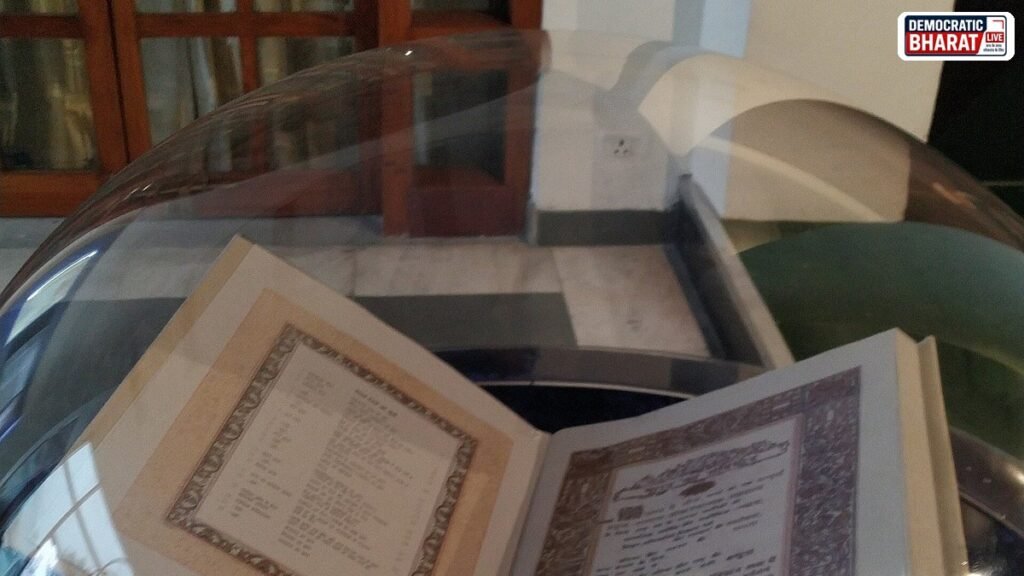
India’s Parliament is often described simply as the place where laws are made, but it actually has three parts. Article 79 of the Constitution says that Parliament consists of the President and two Houses, the Council of States, known as the Rajya Sabha, and the House of the People, known as the Lok Sabha. Both Houses debate and pass laws, question the government and approve spending, yet they are built very differently and do not have equal powers. Understanding these differences helps citizens follow political news more clearly, from budget sessions to debates over important bills. This explainer walks through the key points in plain language.
How members are chosen
The Lok Sabha is the directly elected House. Its members are chosen by voters in general elections, with each member representing a territorial constituency. Every adult citizen who is registered as a voter gets to take part. This is why the Lok Sabha is called the House of the People. Under Article 81, the Lok Sabha can have a maximum of 550 elected members, made up of representatives from the states and the union territories. The present House has 543 elected seats.
The Rajya Sabha is chosen indirectly. Members representing the states are elected by the elected members of the state legislative assemblies, using the system of proportional representation by means of the single transferable vote. Members from union territories that have legislatures are chosen in a manner laid down by Parliament. Under Article 80 the Rajya Sabha can have up to 250 members, of whom 12 are nominated by the President from among persons with special knowledge or practical experience in literature, science, art and social service. The rest represent the states and union territories, and the number of seats for each state broadly reflects its population.
Tenure: temporary versus permanent
The Lok Sabha has a fixed term of five years from the date of its first meeting, unless it is dissolved earlier. The President can dissolve it on the advice of the Council of Ministers, which leads to fresh general elections. During a proclamation of emergency, Parliament can extend its term by law, one year at a time.
Read this also: Women’s Reservation Act 2023 Explained: One Third Seats, When It Applies and Key Provisions
The Rajya Sabha, by contrast, is a permanent body and is never dissolved. Its members serve a term of six years, and about one third of the members retire every second year. Elections are held to fill those seats, so the House keeps changing gradually instead of all at once. This design gives the Rajya Sabha continuity and lets experienced members carry institutional memory from one Lok Sabha to the next.
Eligibility and presiding officers
Under Article 84, a person must be at least 25 years old to become a member of the Lok Sabha and at least 30 years old for the Rajya Sabha, along with being a citizen of India and meeting other qualifications set by law. The Lok Sabha elects its own Speaker and Deputy Speaker from among its members. The Rajya Sabha is presided over by the Vice President of India, who is its ex officio Chairman, while the House elects a Deputy Chairman from among its members.
Money bills and financial powers
The biggest difference in power lies in money matters. A money bill, as defined in Article 110, can be introduced only in the Lok Sabha. The Speaker certifies whether a bill is a money bill, and that decision is final. After the Lok Sabha passes it, the Rajya Sabha can only make recommendations, and it must return the bill within 14 days. The Lok Sabha may accept or reject those recommendations. If the Rajya Sabha does not return the bill in time, it is deemed passed by both Houses. In practice, this means the final word on taxation and government spending rests with the directly elected House. The Rajya Sabha can discuss the Union Budget, but it does not vote on the demands for grants.
Ordinary bills and joint sittings
For ordinary bills, both Houses have broadly equal powers. A bill can start in either House and must be passed by both before it goes to the President for assent. If the two Houses disagree, Article 108 allows the President to summon a joint sitting of both Houses. The Speaker of the Lok Sabha presides over such a sitting, and the bill is decided by a majority of the members present and voting. Because the Lok Sabha has many more members, it generally has the advantage in a joint sitting. Joint sittings cannot be used for money bills or constitutional amendment bills, which must be passed by each House separately as required by the Constitution.
Accountability of the government
Under Article 75(3), the Council of Ministers is collectively responsible to the Lok Sabha. This is the core of parliamentary democracy in India. A government stays in office only as long as it enjoys the confidence of the Lok Sabha, and a no confidence motion can be moved only in that House. The Rajya Sabha can question ministers, debate policies and hold the government to account through discussions and committees, but it cannot remove the government.
Special powers of the Rajya Sabha
The Rajya Sabha has a few powers of its own that reflect its role as the voice of the states. Under Article 249, it can pass a resolution by a two thirds majority of members present and voting allowing Parliament to make laws on a subject in the State List in the national interest. Under Article 312, it can pass a similar resolution to create new all India services. These provisions highlight why the Rajya Sabha matters in India’s federal structure even though its financial powers are limited.
Put simply, the Lok Sabha reflects the direct will of voters and controls the purse and the fate of the government, while the Rajya Sabha provides continuity, represents the states and offers a second look at legislation. Together they make Parliament a balanced institution.
अक्सर पूछे जाने वाले सवाल (FAQ)
Lok Sabha vs से जुड़ी ताजा खबर क्या है?
India’s Parliament is often described simply as the place where laws are made, but it actually has three parts. Article 79 of the Constitution says that Parliament consists of the President and two Houses, the Council of States, known as the Rajya Sabha, and the House of the People, known as the Lok Sabha.
How members are chosen के बारे में क्या जानकारी है?
The Lok Sabha is the directly elected House. Its members are chosen by voters in general elections, with each member representing a territorial constituency.
Tenure: temporary versus permanent के बारे में क्या जानकारी है?
The Lok Sabha has a fixed term of five years from the date of its first meeting, unless it is dissolved earlier.
Eligibility and presiding officers के बारे में क्या जानकारी है?
Under Article 84, a person must be at least 25 years old to become a member of the Lok Sabha and at least 30 years old for the Rajya Sabha, along with being a citizen of India and meeting other qualifications set by law.
Source: Constitution of India, Legislative Department, Lok Sabha, Rajya Sabha