Self-Enumeration Process and Timeline
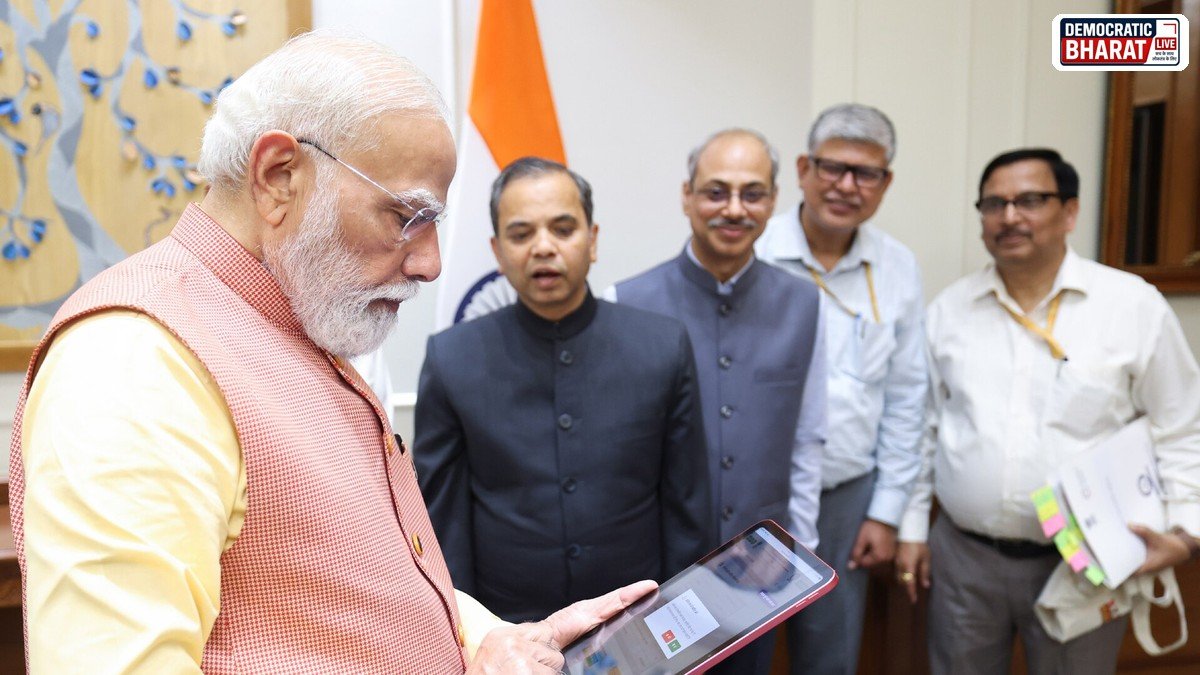
In the second phase of Census 2027, citizens in Chhattisgarh are being provided with the option of self-enumeration for the first time. The online portal for this purpose will remain open from January 10, 2027, to January 24, 2027. During this period, any responsible member of a family can log in using their mobile number and an OTP to enter the details of all family members. Following this, enumerators will visit homes from January 25, 2027, to February 28, 2027, to verify the information submitted online.
Digital Census and the 40-Question Questionnaire
This initiative marks the country’s first digital census, which will record details related to Scheduled Castes, Scheduled Tribes, and other castes. The central government has notified a questionnaire consisting of 40 specific questions for this phase. The information collected includes personal details of family members, social status, education levels, employment status, marital status, and caste-related data. Additionally, women will be asked about the number of their children, and all citizens will be required to provide information regarding the availability of identity documents such as Aadhaar, Voter ID, passports, and driving licenses.
The questionnaire is designed to capture a comprehensive profile of every individual within a household. Key categories of information include identity and family relations, such as the name of the family member, their relationship to the head of the household, gender, date of birth, age, marital status, age at the time of marriage, spouse’s name, and parental details. Furthermore, the survey covers cultural and social markers, including nationality, religion, caste status, mother tongue, and proficiency in other languages. Education and employment status are also prioritized, covering literacy levels, digital literacy, current educational enrollment, work history over the past year, occupation types, economic activities, and commuting details related to the workplace.
Migration data is another critical component, requiring details on the place of birth, previous residence, reasons for migration, duration of stay in the current locality, and permanent address. For women, specific questions regarding reproductive history are included, such as the number of living children, the total number of children born alive, and births recorded within the previous year. Finally, the census captures essential infrastructure and documentation data, such as vaccination status, bank account details, mobile numbers, and the possession of official identity documents like Aadhaar, Voter ID, passports, and driving licenses.
Legal Provisions for Data Privacy and Security
To ensure the confidentiality of the personal information provided by citizens, strict legal provisions are in place under Section 15 of the Census Act 1948. Personal census records cannot be made public, nor can they be used as evidence in a court of law. Furthermore, sharing this data with other institutions is prohibited. The central government has stated that the digital census will utilize encryption and secure data centers to protect the information provided by citizens, ensuring that their personal data remains confidential. This rigorous approach to data security is essential given the scale of public participation expected in the upcoming census.
How to Complete Self-Enumeration
To complete the self-enumeration process, citizens must visit the official census portal and register using their mobile number, followed by an OTP verification. After entering the family details accurately, the form must be submitted. Upon successful submission, a special ID will be generated, which must be kept safe and presented to the enumerator during their visit. This facility is particularly beneficial for families who are unable to be present at home during the day due to professional or business commitments, allowing them to consolidate and submit information at their convenience. By allowing citizens to input their own data, the process aims to reduce potential errors in recording names, ages, and other vital statistics. However, it remains the responsibility of the citizens to ensure that all information provided is both accurate and complete. Even after the online submission, the physical verification process by the enumerator remains a mandatory step in the census cycle.
Infrastructure and Regional Context
Beyond the census, regional development remains a point of public interest. For instance, the Laxman Jhula in Rajim was constructed at a cost of 33 crore. This project serves as a reminder of the various infrastructure investments occurring across the state. As the census approaches, the government continues to manage both large scale public works and the massive administrative undertaking of the 2027 digital census.
| Phase | Activity | Start Date | End Date |
|---|---|---|---|
| Self-Enumeration | Online Data Entry | January 10, 2027 | January 24, 2027 |
| Verification | Enumerator Home Visits | January 25, 2027 | February 28, 2027 |
Source / स्रोत: Patrika