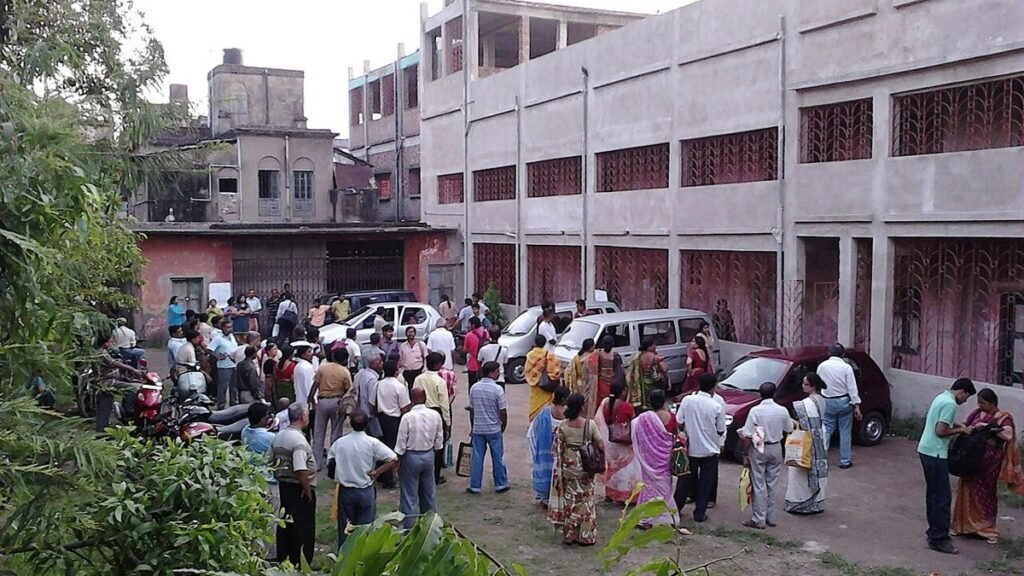
The Staff Selection Commission, or SSC, recruits staff for Group B non gazetted and Group C posts in central government ministries, departments and offices. It is attached to the Department of Personnel and Training. Every year, SSC conducts several exams, and the three best known are the Combined Graduate Level exam, or CGL, the Combined Higher Secondary Level exam, or CHSL, and the Multi Tasking Staff exam, or MTS. The biggest difference among them is the minimum educational qualification and the level of posts.
CGL: for graduates
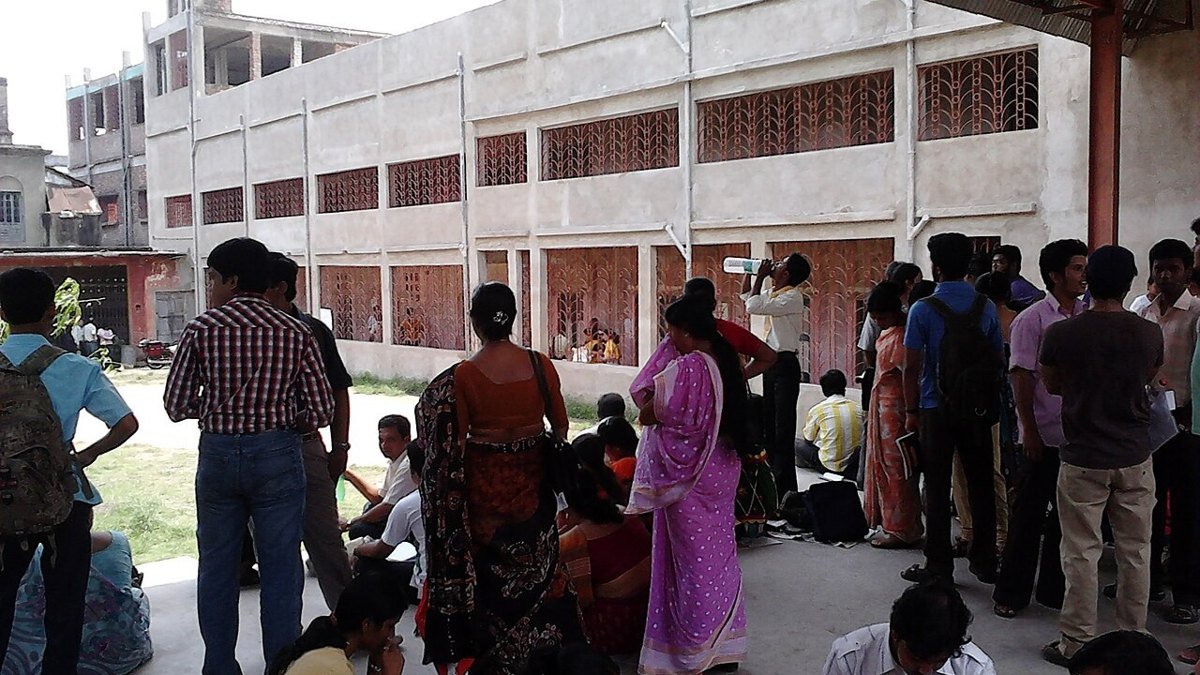
CGL requires a bachelor’s degree from a recognised university. Some posts need specific subjects or additional qualifications, for example mathematics or statistics for certain statistical posts. Through CGL, candidates are recruited as Assistant Section Officers, Income Tax Inspectors, inspectors in central excise and GST, Assistant Audit or Accounts Officers, Sub Inspectors in certain agencies and many other posts. The list includes both Group B and Group C posts.
CHSL: for Class 12 pass candidates
CHSL is for candidates who have passed Class 12. It recruits Lower Division Clerks or Junior Secretariat Assistants, Postal Assistants or Sorting Assistants and Data Entry Operators. Some Data Entry Operator posts have required mathematics in Class 12. Typing or data entry skill tests are part of the selection process for these posts.
MTS: for Class 10 pass candidates
The MTS exam is for candidates who have passed Class 10. It recruits Multi Tasking Staff for central government offices. In recent years, recruitment for Havaldar posts in the Central Board of Indirect Taxes and Customs and the Central Bureau of Narcotics has also been done through this exam, with separate physical standards and a physical efficiency test.
Exam pattern
All three are computer based tests. Generally, they include general intelligence and reasoning, general awareness, quantitative aptitude and English language. CGL and CHSL have more than one stage, and some posts require a skill test. The number of questions, marks, negative marking and stages have changed over the years, so always follow the pattern in the latest notification.
Age limits and relaxation
Age limits vary by post and are listed against each post in the notification. Candidates from reserved categories, ex servicemen and persons with disabilities get age relaxation according to central government rules. Age is calculated as on a cut off date given in the notification. Fill in your date of birth exactly as in your Class 10 certificate.
How to apply
All SSC applications are made online on ssc.gov.in. You first complete a one time registration and then fill a separate application for each exam. SSC publishes a tentative calendar of exams every year, which helps in planning preparation. Admit cards, answer keys and results are also published on the same website.
Candidates who qualify for more than one exam, such as graduates, can usually also apply for CHSL and MTS, because higher qualification does not generally bar a candidate. Still, check post wise eligibility in each notification.
Preparation tips
Mathematics and reasoning in all three exams rest on a solid Class 10 level foundation, so strengthen basic concepts first. For general awareness, read the news daily and revise history, geography and science from NCERT books. Old answer keys published on the SSC website show the level of questions. Practising online mock tests helps with time management in computer based exams, where speed and accuracy both count.
A practical approach is to match your qualification and preferred type of work with the post list. Desk jobs in secretariats, field roles in tax departments and support roles in offices all come through these exams, and their pay levels differ.
In short, SSC CGL is for graduates, CHSL for Class 12 pass candidates and MTS for Class 10 pass candidates. Posts, pay levels and selection processes differ across the three. To choose the right exam, compare your qualification and preferred posts with the latest notification.
Also Read: Form 16 Explained: Part A and Part B, When Employers Issue It and How to Use It for ITR
Source: Staff Selection Commission, Department of Personnel and Training