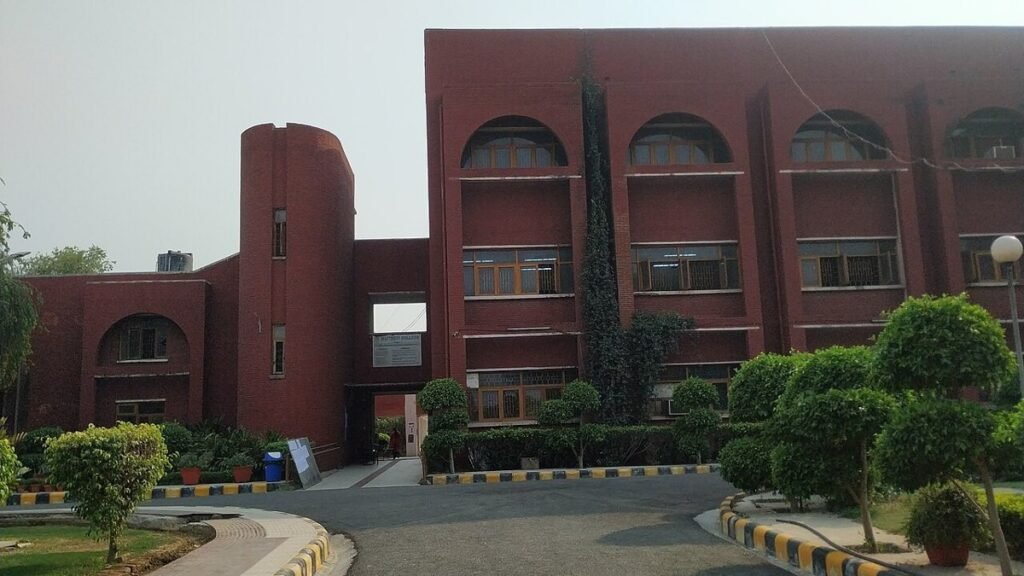
The National Institute of Open Schooling, or NIOS, is an institution under the Ministry of Education that provides school level education through the open and distance learning mode. It is meant for learners who cannot attend regular school for reasons such as interrupted studies, family or work responsibilities, sports or arts training, or health issues. Through NIOS, learners can complete secondary, which is Class 10, and senior secondary, which is Class 12.
NIOS works as a national board, and its certificates are recognised for higher education and jobs in the same way as those of CBSE or state boards. Individual institutions or recruiters may still have their own admission conditions, which should be checked in their notifications.

How studying with NIOS works
NIOS learners do not attend school every day. After registration, they receive study material in print and digital form. NIOS has study centres across the country, called accredited institutions, where personal contact programmes are held on set days so that teachers can explain difficult topics. There are also practical work requirements for some subjects and tutor marked assignments.
Freedom to choose subjects
A major strength of NIOS is flexibility in subject choice. Learners can choose a combination that suits their interests and future plans. Some language subjects are compulsory, and others are chosen from the options offered. Vocational subjects are also available. The permitted combinations and the minimum number of subjects are described in the prospectus at the time of admission.
Admission
Admission is online at nios.ac.in. Applicants need identity proof, proof of date of birth, a photograph and, for Class 12, proof of having passed Class 10. Fees depend on the number of subjects and category. Admission opens for set sessions in a year. Once admitted, a learner can appear in exams and accumulate credits over a fixed period, which NIOS states as five years.
Learners who have passed some subjects from another recognised board can, subject to rules, transfer credits for a limited number of subjects. This saves them from repeating everything.
Examinations
NIOS holds public examinations twice a year. It also offers On Demand Examinations, where learners can take exams at designated centres when they feel ready. A learner does not have to take all subjects at once and can spread exams across sessions. Exam dates, admit cards and results are published on the NIOS website.
Who benefits
NIOS helps young people whose schooling was interrupted and who now need a Class 10 or 12 certificate for a job. It allows athletes and artists to continue studies alongside training. Working adults can also improve their qualifications. Be careful of fake agents and websites during admission, and complete the process only through the official website or an accredited study centre.
NIOS and higher education
A senior secondary certificate from NIOS can be used to apply for undergraduate courses and for entrance examinations, provided the subject combination meets the eligibility conditions of that course or exam. For example, science and engineering courses usually require specific subjects at Class 12. Learners who plan to pursue such courses should choose their NIOS subjects with these requirements in mind, and confirm the rules with the university or exam body before admission.
Parents considering NIOS for a child should also think about the support the learner will need. Without a daily school routine, self discipline matters. Regular attendance at contact classes and a fixed study timetable at home make a real difference in results.
In short, NIOS is the national institute for open schooling under the Ministry of Education. It offers flexible subject choice, self paced study and exams twice a year for Class 10 and 12. For current fees, sessions and rules, check nios.ac.in.
Also Read: APAAR ID for Students: What It Is, Benefits, How to Create It and Is It Mandatory
Source: National Institute of Open Schooling, Ministry of Education