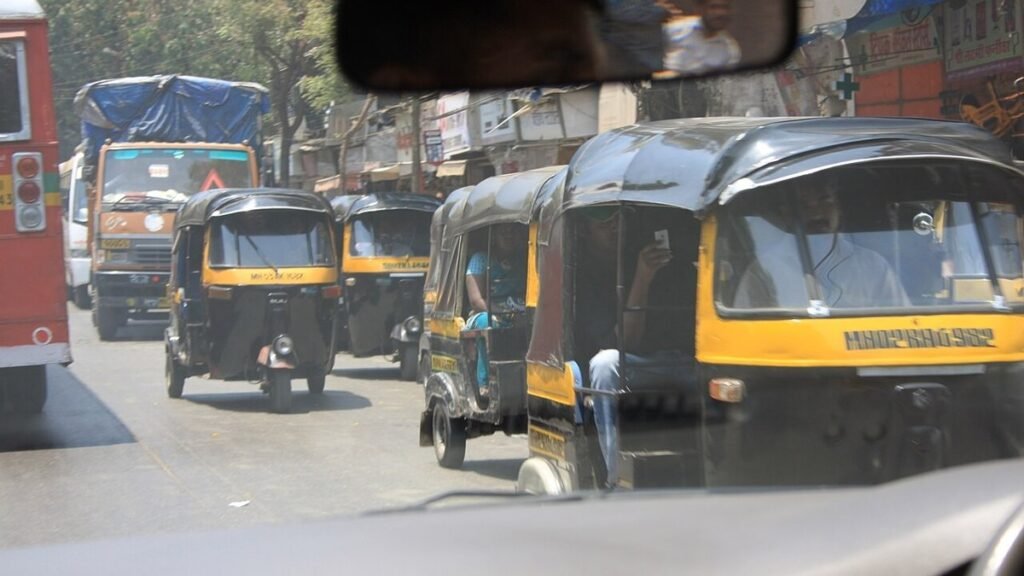
A driving licence is more than an identity document. It states which kinds of vehicles the holder is allowed to drive. The short codes printed on it, such as LMV, MCWG or MCWOG, come from Section 10 of the Motor Vehicles Act 1988, which lists the classes of vehicles for which a licence can be issued. Driving a vehicle that is not covered by your licence class can be treated as driving without a valid licence, with consequences for fines and insurance claims.
The main classes in the law
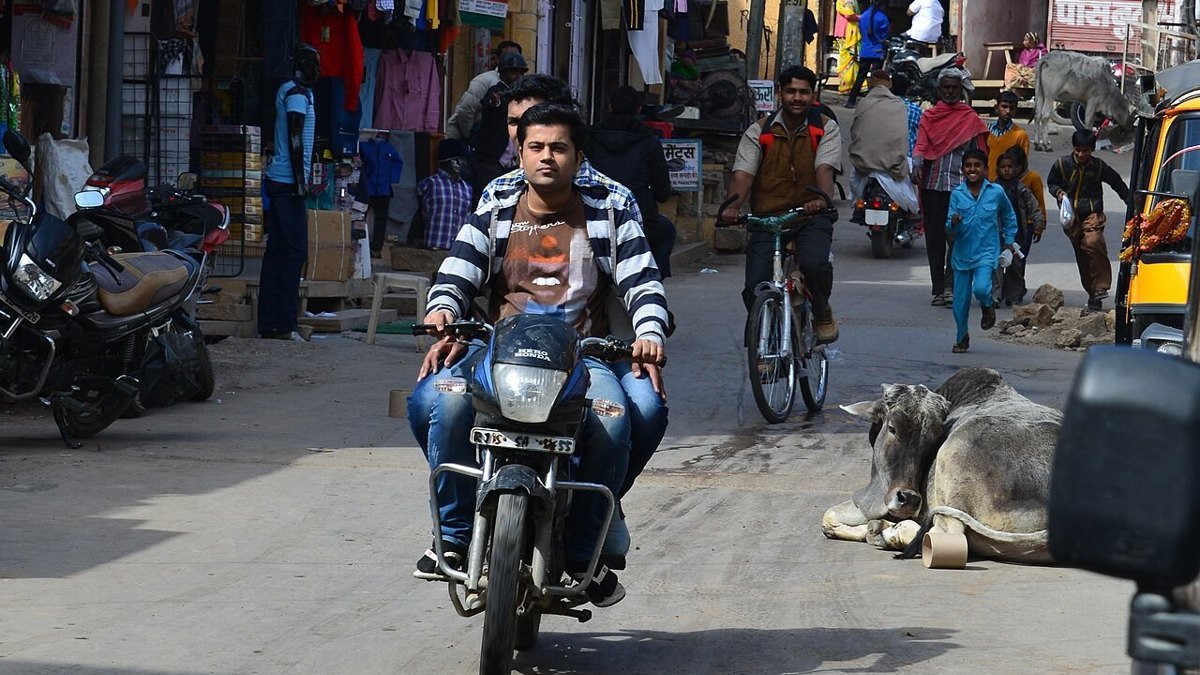
Section 10 lists the following classes: motorcycle without gear, motorcycle with gear, invalid carriage, light motor vehicle, transport vehicle, road roller and motor vehicles of a specified description. In everyday use, MCWOG means motorcycle without gear, which covers most scooters, and MCWG means motorcycle with gear, which covers geared bikes. An invalid carriage is a vehicle specially designed or adapted for a person with a disability.
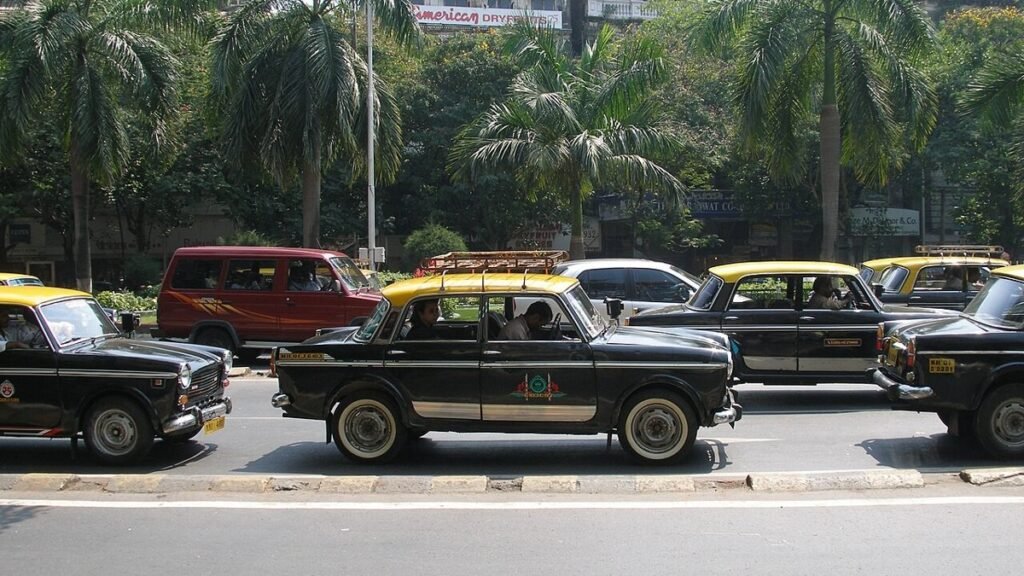
LMV, or light motor vehicle, covers cars, jeeps and similar light vehicles. The legal definition of a light motor vehicle is linked to the vehicle’s gross weight. For private car owners, this is the most common class. The transport vehicle class is for vehicles used commercially, such as buses, trucks and taxis. Separate conditions, including training requirements, apply to commercial drivers.
In a November 2024 judgment, a Constitution Bench of the Supreme Court held that a person holding an LMV licence can also drive a transport vehicle up to the specified gross weight limit for light motor vehicles. Heavy goods vehicles and passenger buses still need the appropriate licence. If you are unsure about the class needed for your vehicle, check with the RTO or the Sarathi portal.
Age rules
Under Section 4 of the Act, the minimum age to drive a motor vehicle in a public place is 18 years. The exception is that a motorcycle with engine capacity not exceeding 50 cc can be driven after the age of 16. Separate conditions apply to transport vehicles. The law also provides for action against the guardian or owner of the vehicle if a juvenile drives, so parents should not hand over a vehicle to an unlicensed child.
From learner’s licence to permanent licence
A learner’s licence comes first. The application is made online on the Sarathi portal, sarathi.parivahan.gov.in, followed by a test on traffic rules and road signs. Several states offer an Aadhaar based online test. A learner’s licence is valid for six months. Under the Central Motor Vehicles Rules, the driving test for a permanent licence can be taken only after at least 30 days from the issue of the learner’s licence.
While driving on a learner’s licence, a person holding a valid licence should accompany the learner, and the vehicle should display the L sign. The driving test checks vehicle control, obedience to signals and manoeuvres such as parking. Once you pass, the licence carries the classes for which you applied and were tested.
Adding a new class
If your licence covers only two wheelers and you have now learnt to drive a car, you do not need a completely new licence. You can apply on the Sarathi portal to add a class. You will need a learner’s licence for the new class and then a driving test. Fees are shown on the portal according to your state.
Keep the licence details up to date as well. If you change your address or mobile number, update it through the Sarathi portal so that renewal reminders and challans reach you. A digital copy of the licence in DigiLocker or the mParivahan app is accepted under the rules of the Ministry of Road Transport and Highways.
In short, every class on your licence defines what you can legally drive: MCWOG or MCWG for two wheelers, LMV for cars and transport for commercial vehicles. For applications, fees and current rules, rely on the Sarathi portal and your state transport department’s website.
Also Read: APAAR ID for Students: What It Is, Benefits, How to Create It and Is It Mandatory
Source: Sarathi, Ministry of Road Transport and Highways, Motor Vehicles Act 1988, India Code, Ministry of Road Transport and Highways