

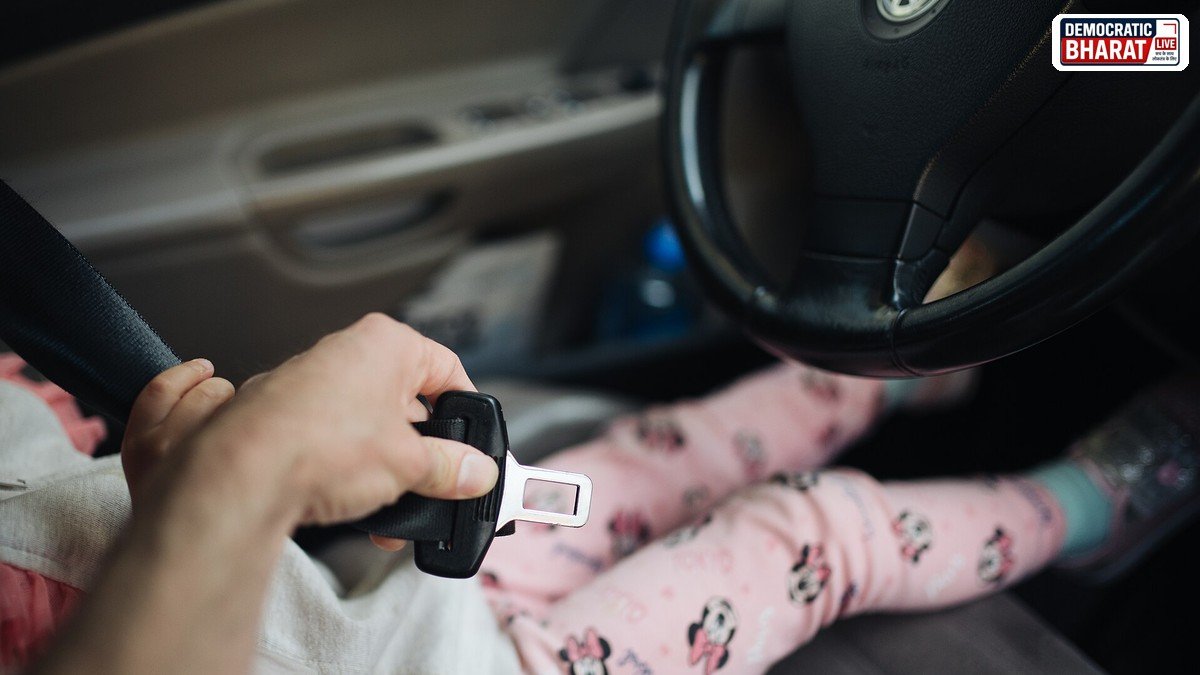
Vehicle safety has evolved significantly over the decades, incorporating numerous technologies designed to reduce the severity of injuries during accidents. Among these innovations, safety restraints and supplementary inflatable systems are the most prominent components found in modern automobiles. While drivers often focus on the visual impact of inflated cushions, the overall safety framework relies heavily on multiple devices working in unison. Understanding how these features interact provides valuable insight into automotive engineering and personal protection.
Vehicle occupants frequently wonder about the mechanics behind sudden impact protection and the specific role of each safety device. Manufacturers design these systems to function as a complete network rather than isolated features. To fully appreciate vehicle protection, it helps to examine the individual engineering principles behind inflatable restraints and traditional strapping systems. Every single part of the interior cabin contributes to managing the risks associated with vehicular travel.
The Physics of Impact and Deceleration
When a vehicle travels at high speed, all objects inside, including the passengers, share that same momentum. During a sudden collision, the vehicle stops almost instantly due to the external force of the crash. However, unrestrained passengers continue moving forward at the vehicle’s previous speed until an external object or force stops them. This transfer of energy is the primary cause of trauma in vehicular accidents.
This principle of physics explains why rapid deceleration causes severe injuries during a crash. Without a mechanism to slow down the human body gradually, passengers would strike the dashboard, steering wheel, or windshield with immense force. Safety systems are engineered to manage this kinetic energy by extending the time it takes for a passenger to come to a complete stop, thereby lowering the peak forces exerted on vital organs and skeletal structures.
Engineering teams use comprehensive crash test data to measure how forces transfer to the human body during sudden stops. By understanding deceleration rates, manufacturers can calibrate restraint devices to absorb maximum energy safely. This careful management of physical forces is the cornerstone of modern automotive protection design, requiring precise calculations regarding material strength, deployment timing, and occupant kinematics.
The Science Behind Airbag Deployment
An inflatable restraint system consists of three main components: a crash sensor, a diagnostic unit, and the cushion module itself. When sensors detect a severe frontal or side collision, they send an electrical signal to an initiator within the inflator module. This triggers a rapid chemical reaction that produces a large volume of gas, filling the nylon fabric bag in milliseconds to create a protective barrier between the occupant and hard interior surfaces.
Read this also: Death Certificate Registration Process in India Explained Clearly
The entire deployment process happens in the blink of an eye, typically within twenty to thirty milliseconds from the initial impact. The gas generators use specific chemical compounds to create harmless nitrogen gas, which safely expands the fabric cushion. Small vents in the fabric allow the gas to escape almost immediately after inflation, softening the blow as the passenger presses against the surface and preventing the cushion from acting as an overly rigid wall.
Because deployment happens with such extreme speed and force, these cushions can pose risks to occupants who are sitting too close to the module. This is why manufacturers emphasize proper seating posture and distance from the steering wheel and dashboard area. Regular maintenance of the vehicle electrical system also ensures that sensors remain operational and ready to perform correctly in an emergency.
Why Seat Belts Remain Indispensable
A common misconception is that inflatable cushions can replace traditional strapping systems during a collision. In reality, these cushions are designed as supplementary restraint systems, meaning they supplement the protection provided by the primary belt. Without a proper strap holding the torso back, an occupant might slide underneath or collide with the inflating fabric at an unsafe angle, leading to additional injuries rather than protection.
Traditional webbing secures the pelvic bones and rib cage, which are areas of the body better equipped to handle deceleration forces. This positioning keeps the occupant in the optimal posture for the supplementary cushion to deploy correctly and catch them properly. If a passenger fails to buckle up, the risk of ejection from the vehicle increases significantly during a rollover or severe crash, which often results in fatal consequences.
Regulatory bodies and automotive experts worldwide consistently stress that wearing a strap is the single most effective action an occupant can take to ensure survival. Combining the restraint of the webbing with the energy absorption of the inflated cushion provides the highest level of protection available in modern transport. For detailed guidelines on vehicle safety standards and compliance, readers should check official transportation authority websites for comprehensive educational resources.
Frequently Asked Questions (FAQ)
What is How Airbags Work?
Vehicle safety has evolved significantly over the decades, incorporating numerous technologies designed to reduce the severity of injuries during accidents. Among these innovations, safety restraints and supplementary inflatable systems are the most prominent components found in modern automobiles. While drivers often focus on the visual impact of inflated cushions, the overall safety framework relies heavily on multiple devices working in unison. Understanding how these features interact provides valuable insight into automotive engineering and personal protection.
What should you know about The Physics of Impact and Deceleration?
When a vehicle travels at high speed, all objects inside, including the passengers, share that same momentum. During a sudden collision, the vehicle stops almost instantly due to the external force of the crash. However, unrestrained passengers continue moving forward at the vehicle’s previous speed until an external object or force stops them. This transfer of energy is the primary cause of trauma in vehicular accidents.
What should you know about The Science Behind Airbag Deployment?
An inflatable restraint system consists of three main components: a crash sensor, a diagnostic unit, and the cushion module itself. When sensors detect a severe frontal or side collision, they send an electrical signal to an initiator within the inflator module. This triggers a rapid chemical reaction that produces a large volume of gas, filling the nylon fabric bag in milliseconds to create a protective barrier between the occupant and hard interior surfaces.
Why Seat Belts Remain Indispensable?
A common misconception is that inflatable cushions can replace traditional strapping systems during a collision. In reality, these cushions are designed as supplementary restraint systems, meaning they supplement the protection provided by the primary belt. Without a proper strap holding the torso back, an occupant might slide underneath or collide with the inflating fabric at an unsafe angle, leading to additional injuries rather than protection.






प्रातिक्रिया दे