

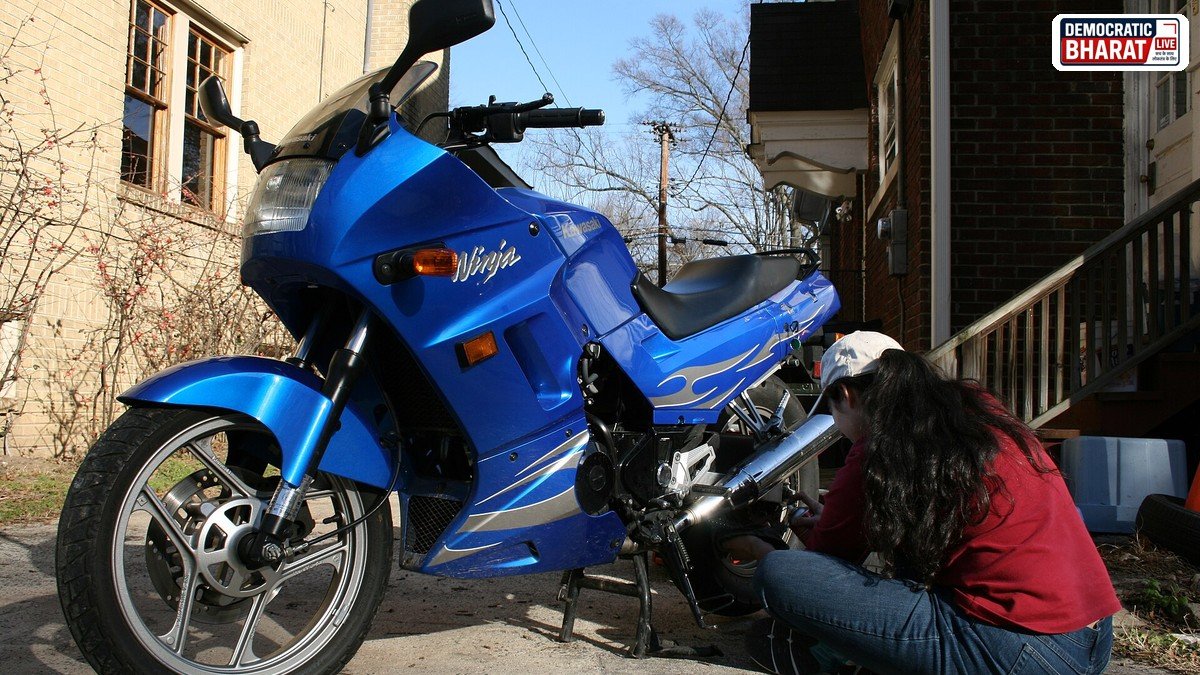
Motorcycle chain care is a fundamental part of routine vehicle maintenance that directly impacts your riding experience and safety on the road. The drive chain transfers power from the engine to the rear wheel, working under high tension, friction, and exposure to environmental elements like dust, mud, and rain. Without proper maintenance, the chain and sprockets will wear out prematurely, leading to inefficient power delivery and potential mechanical failure.
Establishing a regular maintenance schedule helps you spot minor issues before they turn into costly repairs. Whether you commute daily or ride occasionally on weekends, dedicating time to inspect, clean, and lubricate your motorcycle chain ensures smoother gear shifts and better fuel efficiency. Always consult your motorcycle owner manual for specific recommendations regarding chain slack, cleaning products, and recommended lubricant types.
Neglecting your drive chain can result in severe consequences while riding. A dry or poorly maintained chain creates excessive friction, which robs the engine of valuable horsepower and increases fuel consumption. Furthermore, a neglected chain is far more prone to snapping or jumping off the sprockets, which can lock the rear wheel unexpectedly and lead to a dangerous loss of vehicle control.
Understanding the basic anatomy of a motorcycle chain helps emphasize why proper care matters so much. Most modern motorcycles use O ring or X ring chains. These rings are tiny rubber seals positioned between the inner and outer link plates to trap factory grease inside the pivotal pins and bushings, while simultaneously keeping out external dirt and moisture. Protecting these delicate seals is the primary goal of any effective chain cleaning and maintenance routine.
Gathering Tools and Safety Gear
Before you begin the cleaning process, it is important to gather the right tools and set up a safe workspace. You will need a rear paddock stand to elevate the back wheel, a dedicated chain cleaning brush with bristles on multiple sides, a catch pan, and clean microfiber rags. Safety gear is equally important, so wear protective gloves and safety glasses to shield your hands and eyes from chemical splashes and flying debris.
Choosing the correct cleaning solvents is critical for preserving the integrity of the rubber O rings or X rings sealed inside modern motorcycle chains. Avoid using harsh chemicals like gasoline, kerosene, or high pressure washers, because these substances can damage the internal seals and force moisture into the links. Instead, use a specialized chain cleaner or a mild degreaser that is specifically formulated for motorcycle drive components.
Read this also: Kashi Vishwanath Temple: History, Significance and Visitor Guide
Preparation also involves setting up in a well ventilated area, preferably outdoors or in an open garage, to avoid breathing in chemical fumes from cleaners and lubricants. Lay down old newspapers or a large cardboard sheet underneath the motorcycle to catch any drips of old grease and excess solvent. Having all your supplies neatly arranged within arm reach will make the entire process much smoother and more efficient.
Cleaning and Inspecting the Chain
Start by placing the motorcycle securely on its center stand or rear paddock stand so the rear wheel spins freely. Spray the chain cleaner generously along the entire length of the lower run while slowly rotating the rear wheel by hand. Allow the solvent to penetrate and break down built-up grime, road grit, and old lubricant for a few minutes without letting it dry completely on the metal surfaces.
Use your chain brush to scrub all four sides of the links, removing stubborn dirt and grease deposits. Wipe the chain thoroughly with a clean rag to remove the loosened residue and dirt particles. Once the chain is clean, conduct a visual inspection to check for tight links, rust, excessive side play, or visible cracks, and check the sprockets for hooked or worn teeth that indicate replacement is needed.
Pay close attention to the individual rollers and side plates during your inspection. If you notice any links that do not pivot smoothly, or if the chain can be pulled significantly away from the rear sprocket teeth, it indicates advanced wear. Addressing these issues promptly prevents collateral damage to the transmission output shaft and other expensive drivetrain components.
Applying the Correct Lubricant
After cleaning and drying the chain completely, it is time to apply fresh lubricant to protect the metal components and reduce friction. Make sure the chain is warm by taking a short ride or allowing it to dry fully after cleaning, because warm metal helps the lubricant adhere better. Choose a quality chain lube that matches your riding conditions, such as wax based formulas for dry roads or heavy duty oils for wet weather.
Apply the lubricant to the inner circumference of the chain as you rotate the rear wheel, targeting the rollers and the inner side plates rather than just the outer surface. Spin the wheel a few times to work the lubricant deeply into the pins and rollers. Allow the motorcycle to sit undisturbed for at least ten to fifteen minutes so the carrier solvents can evaporate and the lubricant can set properly before your next ride.
Applying too much lubricant can be just as harmful as applying too little, because excess lube flings off onto the rear tire, wheel rim, and swingarm, creating a messy and potentially slippery hazard. Use a clean rag to gently wipe away any surplus lubricant after the setting period has passed. Consistent adherence to these maintenance practices will significantly prolong the functional life of your motorcycle drive system.
Frequently Asked Questions (FAQ)
What is Motorcycle Chain Care?
Motorcycle chain care is a fundamental part of routine vehicle maintenance that directly impacts your riding experience and safety on the road. The drive chain transfers power from the engine to the rear wheel, working under high tension, friction, and exposure to environmental elements like dust, mud, and rain. Without proper maintenance, the chain and sprockets will wear out prematurely, leading to inefficient power delivery and potential mechanical failure.
What should you know about Gathering Tools and Safety Gear?
Before you begin the cleaning process, it is important to gather the right tools and set up a safe workspace. You will need a rear paddock stand to elevate the back wheel, a dedicated chain cleaning brush with bristles on multiple sides, a catch pan, and clean microfiber rags. Safety gear is equally important, so wear protective gloves and safety glasses to shield your hands and eyes from chemical splashes and flying debris.
What should you know about Cleaning and Inspecting the Chain?
Start by placing the motorcycle securely on its center stand or rear paddock stand so the rear wheel spins freely. Spray the chain cleaner generously along the entire length of the lower run while slowly rotating the rear wheel by hand. Allow the solvent to penetrate and break down built-up grime, road grit, and old lubricant for a few minutes without letting it dry completely on the metal surfaces.
What should you know about Applying the Correct Lubricant?
After cleaning and drying the chain completely, it is time to apply fresh lubricant to protect the metal components and reduce friction. Make sure the chain is warm by taking a short ride or allowing it to dry fully after cleaning, because warm metal helps the lubricant adhere better. Choose a quality chain lube that matches your riding conditions, such as wax based formulas for dry roads or heavy duty oils for wet weather.
Source: United Nations, Government of India




प्रातिक्रिया दे