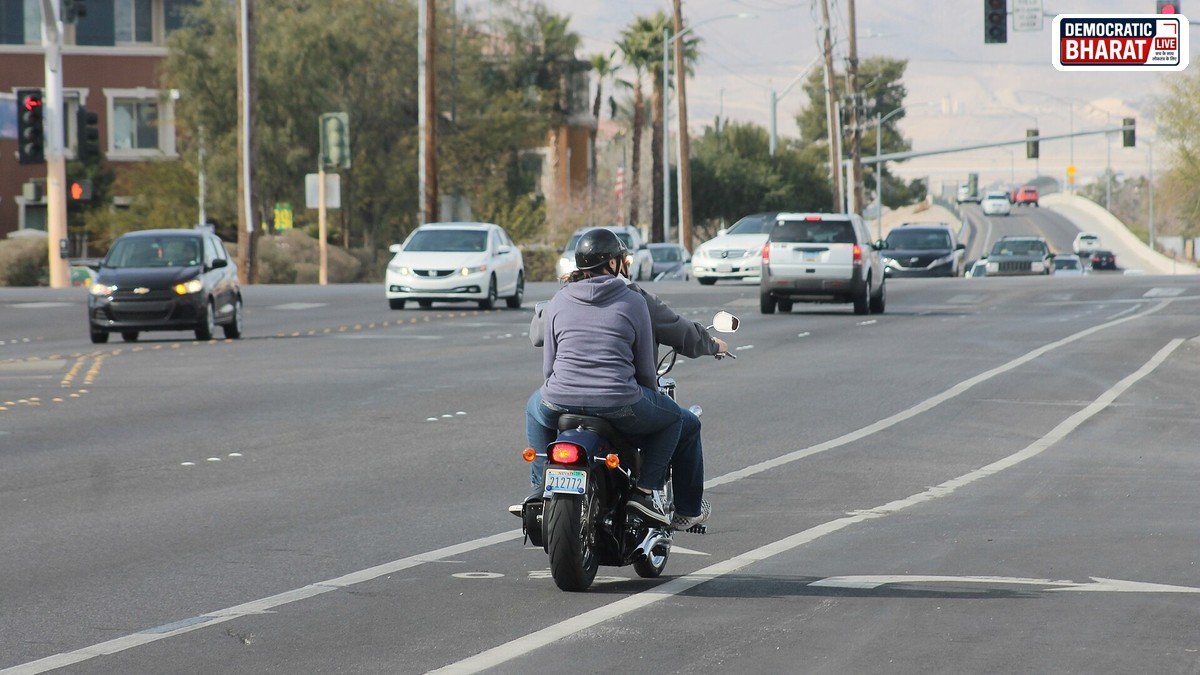
For anyone riding a motorcycle or scooter, the helmet is the single most important piece of safety gear. In a fall or collision, the head is extremely vulnerable, and a good helmet can make the difference between a minor injury and a life changing one. Yet many riders still buy the cheapest helmet available at the roadside, or wear one only to avoid a traffic fine. This guide explains what makes a helmet safe in India, what the ISI mark actually means and how to choose one that fits you properly.
Under Section 129 of the Motor Vehicles Act, 1988, every person above four years of age driving or riding a two wheeler in a public place is required to wear protective headgear that conforms to the standards prescribed by the government. In practice, this means a helmet certified by the Bureau of Indian Standards, carrying the ISI mark. The law applies to the pillion rider as well, not just the person handling the vehicle.
What the ISI mark and IS 4151 mean
The Indian standard for protective helmets for two wheeler riders is IS 4151. The current version, IS 4151:2015, lays down requirements for things like impact absorption, resistance to penetration, the strength of the retention system or chin strap, and the field of vision the helmet allows. Helmets that meet this standard and are made under a BIS licence can carry the ISI mark. Since 2021, the government has made BIS certification compulsory for two wheeler helmets through a quality control order, which means uncertified helmets should not be manufactured or sold for this purpose.
A genuine ISI marked helmet carries the standard number IS 4151 near the mark, along with a licence number, often written as CM/L followed by digits. You can verify a licence number using the BIS Care app or the licence search on the BIS website. A sticker that just says ISI without any licence number is a warning sign.
Types of helmets
Full face helmets cover the whole head including the chin and jaw, and come with a visor. They offer the most complete protection, because many crash injuries involve the face and chin.
Open face helmets cover the top, back and sides of the head but leave the face open. Many scooter riders prefer them for comfort in city traffic, but they offer no protection to the chin.
Modular or flip up helmets have a chin section that can be lifted. They combine some convenience of open face helmets with the coverage of full face designs when closed.
Half helmets or cap style shells that only cover the top of the head offer very little protection. Construction helmets or caps sold as two wheeler helmets are not designed for road crashes at all and should never be used.
How to check the fit
- Measure the circumference of your head just above the eyebrows and ears, and match it with the size chart of the brand.
- The helmet should feel snug all around without causing pressure points. It should not move freely when you shake your head.
- With the strap fastened, try to roll the helmet forward off your head. If it comes off easily, it is too large.
- The chin strap should be tight enough that only one or two fingers fit between the strap and your chin.
- Your vision to the sides should be clear, and the visor should not distort what you see.
Other features worth looking at
A clear, scratch resistant visor is important, especially for night riding. Tinted visors reduce visibility after dark and in fog. Bright colours or reflective strips make you easier to see. Good ventilation reduces fogging and keeps you comfortable in the heat. A removable inner lining is useful because it can be washed. Weight also matters for long rides, but a lighter helmet is only better if it still carries genuine certification.
When to replace a helmet
A helmet is designed to absorb the energy of one serious impact. The inner foam layer gets compressed in a crash, even if the outer shell looks perfectly fine. So after any significant fall or accident, the helmet should be replaced. Helmets that have been dropped hard, have cracked shells, loose padding, broken buckles or worn out straps also need replacement. Avoid buying second hand helmets, because you cannot know their history. Follow the manufacturer’s guidance on the life of the helmet.
Common mistakes to avoid
Wearing a helmet without fastening the chin strap is one of the most common mistakes. In a crash, an unfastened helmet can fly off before it protects you. Hanging the helmet on the mirror while riding short distances, sharing one helmet between family members of very different head sizes, and buying cheap uncertified helmets from roadside vendors are other habits that defeat the purpose.
The bottom line
Choose a genuine ISI marked helmet with the IS 4151 standard and a valid licence number, pick a type that offers good coverage, make sure it fits snugly and always fasten the strap. Buy one for the pillion rider too. A good helmet costs far less than the medical bills of a head injury, and it protects the one part of your body that cannot be repaired easily.
Also Read: High Security Registration Plates Explained: Features and Rules
Source: Bureau of Indian Standards, Motor Vehicles Act 1988, India Code, Ministry of Road Transport and Highways