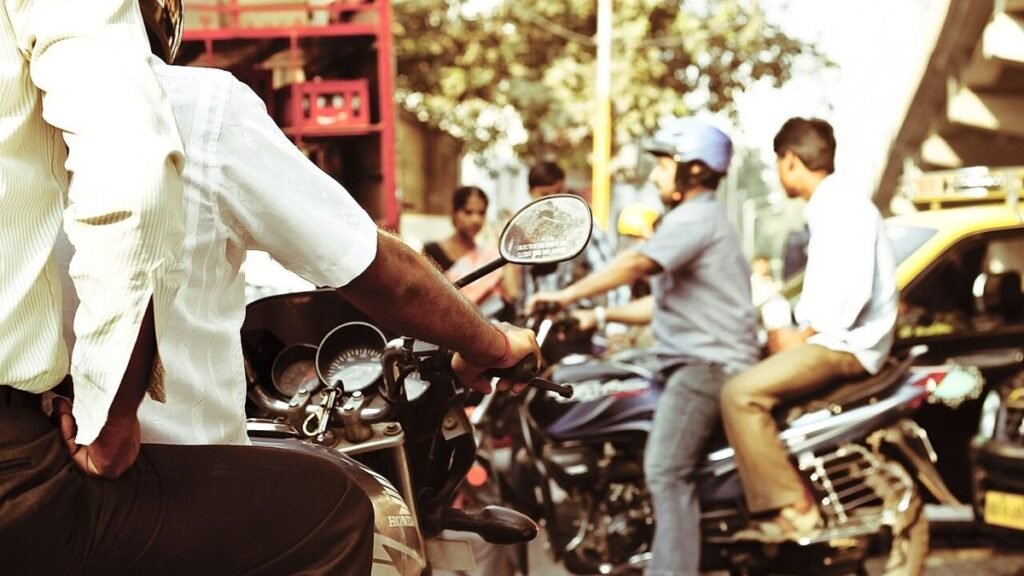
Tyres are the only part of a vehicle that actually touch the road. Every time you brake, turn or accelerate, a small patch of rubber on each tyre does all the work. That is why tyre pressure, something many drivers ignore for weeks, has a direct effect on safety, comfort, fuel efficiency and the life of the tyres themselves. Checking it takes only a few minutes, and once you build the habit, it becomes as routine as checking the fuel gauge.
This guide explains why tyre pressure matters, where to find the correct value for your vehicle, how to check it properly and which mistakes to avoid, whether you drive a car, a motorcycle or a scooter.
Why tyre pressure matters
When a tyre is under inflated, its sidewalls flex more than they were designed to. This builds up heat, increases rolling resistance and makes the engine work harder, which means more fuel is burnt for the same distance. Under inflated tyres also wear faster on the outer edges, make steering feel heavy and can increase braking distance. In extreme cases, excess heat from low pressure on long highway drives can damage the tyre structure.
Over inflation causes a different set of problems. The tyre becomes stiff, the contact patch with the road gets smaller and the centre of the tread wears out quickly. Grip, especially on wet roads, can suffer and the ride becomes harsh. For two wheelers, where only two small contact patches keep the rider upright, wrong pressure in either direction can affect stability and cornering.
Where to find the correct pressure
A common mistake is to use the number printed on the tyre sidewall. That figure is usually the maximum pressure the tyre can safely hold, not the recommended pressure for your vehicle. The correct value is set by the vehicle manufacturer and depends on the weight of the vehicle, its suspension and the tyre size.
In most cars, the recommended pressure is printed on a sticker on the driver side door frame, inside the fuel lid or in the owner manual. Many manufacturers give two sets of values, one for normal load and one for full load with all seats occupied and luggage on board. For motorcycles and scooters, the owner manual and sometimes a sticker on the swingarm or chain guard list the values for solo riding and riding with a pillion. Always follow these figures for your specific model.
How to check tyre pressure step by step
First, check the pressure when the tyres are cold. Cold means the vehicle has been parked for a few hours or has been driven only a short distance. After a long drive, air inside the tyre warms up and expands, so the gauge shows a higher reading than the true cold pressure. If you must check at a fuel station after driving, keep this in mind and avoid letting air out of warm tyres.
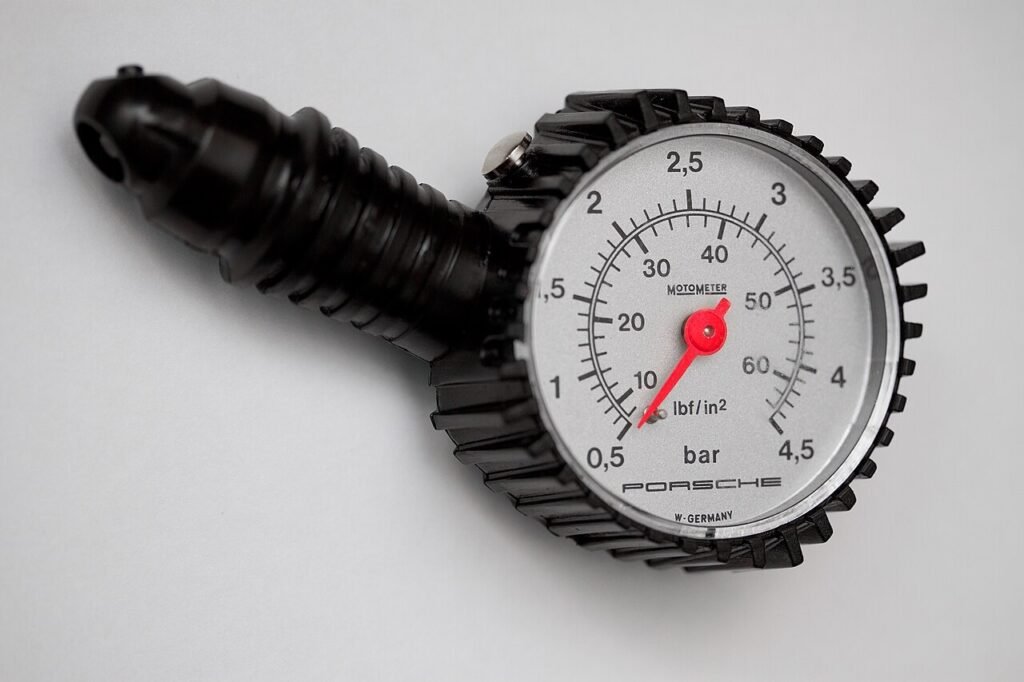
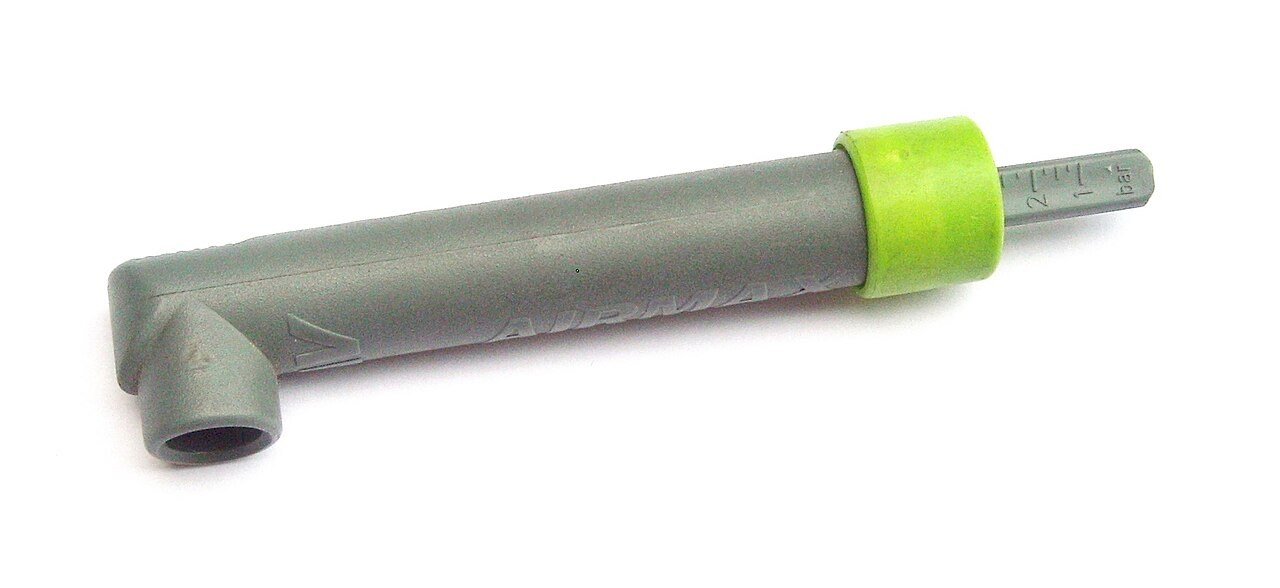
Second, use a reliable gauge. A simple dial or digital pressure gauge is inexpensive and far more consistent than relying on different air machines at different fuel stations. Remove the valve cap, press the gauge firmly and straight onto the valve so that no air hisses out, and read the value. Compare it with the recommended number and add or release air as needed. Recheck after adjusting.
Third, check all tyres, not just the one that looks low. Tyres can lose air slowly through the valve, the rim or a small puncture, and the loss is not always visible. If your car has a spare tyre, check it too, because a flat spare is of no use in an emergency. Finally, put the valve caps back on. They keep dust and moisture out of the valve.
How often should you check
A good habit is to check tyre pressure at least once every couple of weeks and always before a long journey. Tyres naturally lose a little air over time, and seasonal temperature changes also affect pressure. In winter mornings, readings tend to drop, while in summer they may rise. Regular checks help you catch a slow puncture early, before it turns into a flat tyre on the highway.
Nitrogen, TPMS and other common questions
Many fuel stations offer nitrogen filling. Nitrogen may lose pressure a little more slowly than ordinary air, but the most important factor is still the correct pressure, not the gas used. If you use nitrogen, keep checking pressure regularly. Some newer cars come with a tyre pressure monitoring system, or TPMS, which warns the driver when pressure in a tyre drops. It is a helpful safety feature, but it is not a substitute for occasional manual checks and visual inspection.
While checking pressure, also look at the tyre itself. Cuts, bulges on the sidewall, nails stuck in the tread or uneven wear patterns are all signs that the tyre needs attention. Uneven wear can also indicate wheel alignment or suspension problems. Tyres sold in India are covered by BIS standards, so when replacing them, buy from authorised dealers and choose the size specified by the vehicle maker.
The bottom line
Correct tyre pressure is one of the cheapest and simplest ways to make every journey safer and more efficient. Find the right value for your vehicle, buy a basic gauge, check when the tyres are cold and make it a regular habit. A few minutes at the start of the week can save fuel, extend tyre life and, most importantly, help you stay in control on the road.
Also Read: FASTag Annual Pass: Rs 3,000 for 200 Trips, Who Can Use It and How to Activate
Source: Ministry of Road Transport and Highways, Bureau of Indian Standards