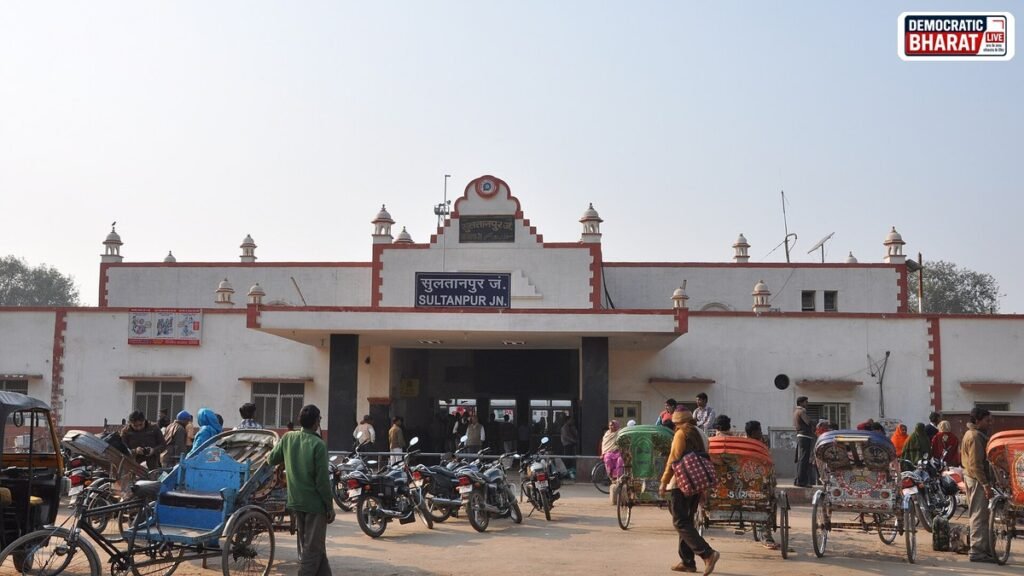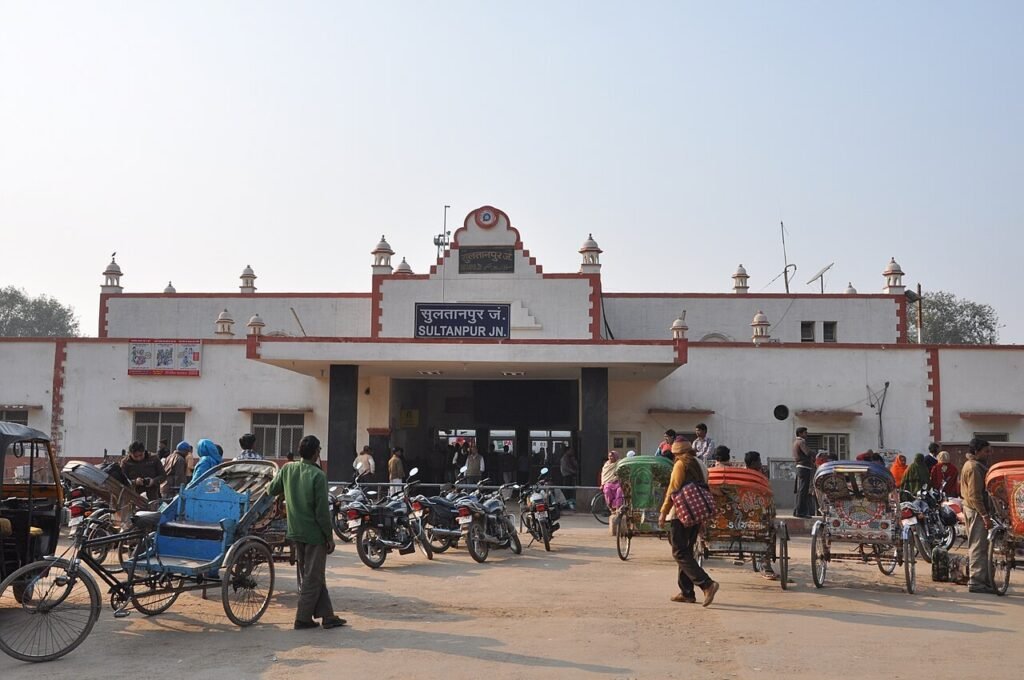
A domicile certificate, called niwas praman patra in Uttar Pradesh, is an official document that confirms a person is a resident of the state. For families in Sultanpur, it is one of the most frequently needed documents. Students need it for admissions and scholarships, job seekers need it for state government recruitment where residency matters, and many welfare schemes ask for it as proof that the applicant belongs to Uttar Pradesh.
The good news is that the process has moved largely online. Residents of Sultanpur can apply through the Uttar Pradesh e-District system, either by themselves or with the help of a Jan Seva Kendra or Common Service Centre. This guide walks through who issues the certificate, the documents usually needed, the steps to apply and how to check the status.

Who issues the certificate
In Uttar Pradesh, domicile certificates are issued through the revenue administration at the tehsil level. Sultanpur district has five tehsils: Sultanpur Sadar, Kadipur, Lambhua, Jaisinghpur and Baldirai. An application is processed by the tehsil under which the applicant lives. After the application is submitted, revenue staff verify the details, and once the competent officer approves it, the certificate can be downloaded and verified online.
Because the system is digital, the certificate carries a number that can be checked on the e-District portal. This makes it easier for colleges, recruitment bodies and departments to confirm that the document is genuine.
Documents usually needed
The exact list can change, so it is always wise to check the current requirements on the e-District portal or at the Jan Seva Kendra before applying. In general, applicants are asked for a recent passport size photograph, an identity proof such as an Aadhaar card, and proof of residence. Proof of residence may include documents such as a ration card, a voter identity card, an electricity bill or property related papers that show the applicant’s address in the district.
A self declaration form stating the applicant’s residence details is also commonly part of the application. For minors, details of a parent or guardian are typically required. Keep scanned copies of all documents ready in clear, readable form before you begin, because blurred or incomplete scans are a common reason for applications being returned.
How to apply online
Visit the official e-District portal of Uttar Pradesh at edistrict.up.gov.in. Citizens can register on the portal with their basic details and a mobile number, after which they can log in and choose the residence or domicile certificate service from the list of revenue department services. Fill in the form carefully, making sure that your name, parents’ names and address match your supporting documents exactly.
Upload the required documents, review the form once more and submit it. The prescribed fee, if applicable, is paid during the process. After successful submission, you receive an application number. Save it, because you will need it to track the status and download the certificate later.
Applying through a Jan Seva Kendra
Many people in Sultanpur, especially in rural areas, prefer to apply through a Jan Seva Kendra or Common Service Centre. These authorised centres are spread across the district’s blocks and villages. The operator fills the form on your behalf, scans your documents and gives you a receipt with the application number. Carry original documents along with photocopies, and ask for the printed receipt before you leave. Use only authorised centres and avoid middlemen who promise faster approval for extra money.
Tracking status and downloading the certificate
Once the application is under process, you can check its status on the e-District portal using the application number. If the verifying staff need more information, the application may be marked for correction or additional documents. Respond quickly in such cases to avoid delays. After approval, the certificate can be downloaded from the portal and printed. The same portal also offers a verification option, so any institution can check the certificate number.
Practical tips
Apply well before the deadline of any admission or recruitment form, since verification takes time. Make sure the spelling of names is consistent across Aadhaar, school records and the application. Keep both a digital and a printed copy of the certificate, and note that some institutions ask for a certificate issued within a specific period, so read the instructions of the form you are filling. If you face a problem, the tehsil office concerned or the district administration’s official website at sultanpur.nic.in can guide you to the right office.
With the right documents and a careful application, getting a domicile certificate in Sultanpur is a straightforward process that can be completed without repeated visits to government offices.
Also Read: Police Clearance Certificate: How to Apply on Passport Seva for Jobs and Visas Abroad
Source: e-District Uttar Pradesh, Sultanpur district official website