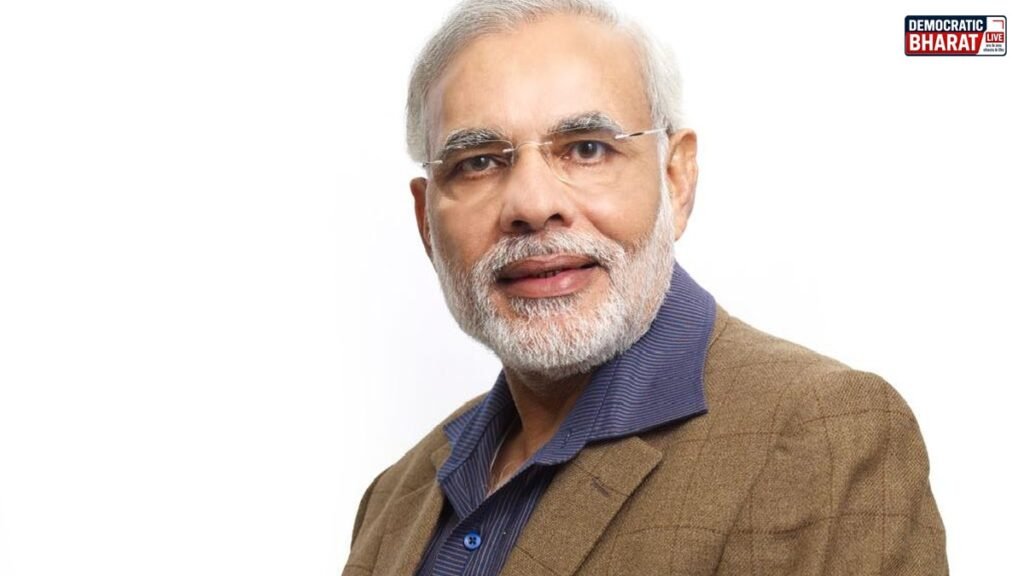
PM Modi addresses the Bharat Agriculture Conference 2026
Prime Minister Narendra Modi addressed the Bharat Agriculture Conference 2026, held at Bharat Mandapam in Delhi. During the two-day event, which saw the participation of over 2,000 farmers, policymakers, industry representatives, and global experts, the Prime Minister emphasized that the vision of a developed India cannot be realized without modernizing and strengthening the agricultural sector. He noted that agriculture remains a fundamental pillar of the nation, and he highlighted the deep connection between farming and India’s cultural festivals such as Bihu, Pongal, Onam, Baisakhi, and Sarhul.
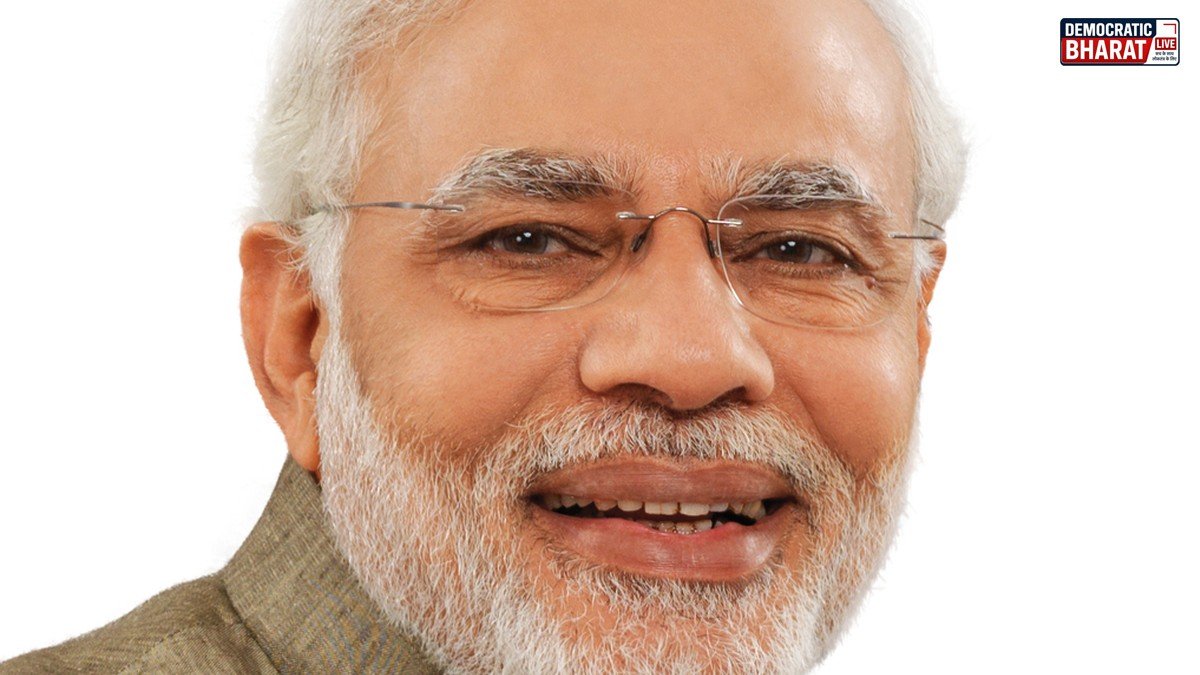
Reflections on governance and democratic institutions
The Prime Minister directed sharp criticism toward the opposition, stating that some individuals act as if the nation’s constitution and democracy are under their personal control. He contrasted this with his own tenure as the Chief Minister of Gujarat, recalling an incident where the state received top rankings from prestigious economists. He alleged that the central government at the time was displeased with Gujarat’s success and exerted pressure on researchers to obtain government approval before publishing any reports. He questioned the current stance of those who previously imposed such restrictions on independent research and democratic processes.
Progress in the agricultural sector
Highlighting the achievements of the last decade, the Prime Minister stated that the agricultural sector has maintained an average annual growth rate exceeding 4 percent. Citing a study by the World Bank, he noted that approximately 50 crore people have risen out of poverty in the last 12 to 13 years, with significant improvements observed among small farmers and agricultural laborers. Furthermore, he announced that India currently exports agricultural products valued at more than 4 lakh crore rupees annually. The country has also achieved top rankings globally in the production of milk, pulses, jute, and rice, while maintaining second place in the production of wheat, cotton, fruits, vegetables, and fish. India is also recognized as the largest producer of millets.
Diversification and agricultural revolutions
PM Modi encouraged farmers to broaden their focus beyond traditional crops like wheat, rice, and sugarcane. He outlined the success of several agricultural revolutions that have diversified income sources for farmers. The following table summarizes the growth in key agricultural sectors over the last decade:
| Sector | Growth/Increase |
|---|---|
| Milk Production | Approximately 70 percent |
| Egg Production | Nearly 90 percent |
| Fish Production | More than doubled |
| Honey Production | From 80 thousand tons to 1.5 lakh tons |
| Horticulture Production | From 280 million tons to over 350 million tons |
The Prime Minister also highlighted the impact of the PM Kusum Yojana, which has facilitated the distribution of about 12 lakh solar pumps, effectively transforming farmers into energy providers. Additionally, he noted that the infrastructure for soil health has been significantly expanded, with the number of soil testing laboratories across the country increasing to over 8,400. He reiterated that the concept of taking knowledge from labs to the fields remains central to his government’s strategy for empowering farmers and ensuring sustainable agricultural development. Furthermore, he addressed the importance of agricultural festivals, noting that the nation’s cultural fabric is deeply intertwined with the agrarian cycle. He recounted his experiences as Chief Minister, where he led agricultural festivals in temperatures reaching 40 to 45 degrees Celsius to bridge the gap between scientists and farmers. This approach of taking knowledge from laboratories to the land has been scaled nationally, with over 750 agricultural science centers now operational to support this mission. The Prime Minister underscored that these efforts are not merely statistics but represent the immense potential of Indian farmers to adapt to changing global markets, technologies, and dietary needs. He concluded by stressing that for India to achieve its development goals, the agricultural sector must be made smarter, more resilient, and highly productive to ensure the prosperity of every farmer across the country.