

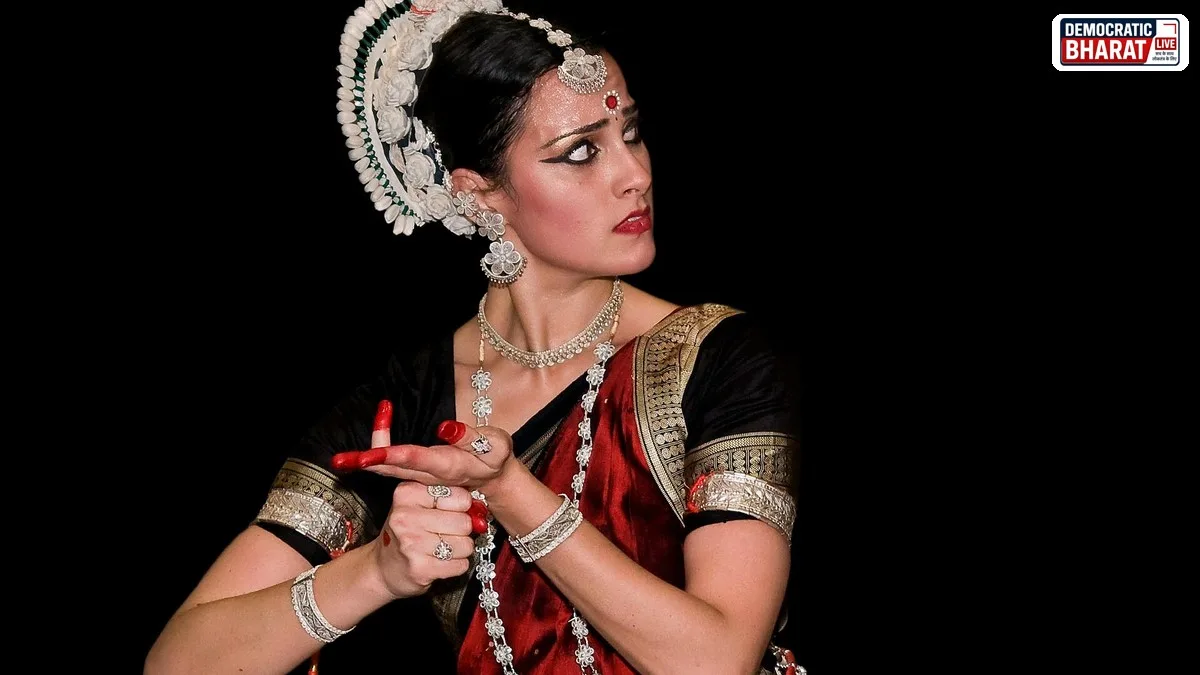
Odissi is one of the principal classical dance forms of India, originating in the coastal state of Odisha in eastern India. Rooted in ancient traditions, this art form is known for its lyrical grace, intricate footwork, and expressive storytelling based on Hindu mythology and spiritual themes. Over the centuries, it evolved from temple rituals performed by dedicated dancers into a globally recognized stage art. The preservation of this tradition relies heavily on the transmission of knowledge from generation to generation within traditional training systems.
इस खबर में
The tradition of Odissi involves a deep connection between movement, music, and sculpture, drawing direct inspiration from the ancient stone temples of Odisha. Dancers use elaborate costumes, traditional silver jewelry, and distinct facial expressions to convey emotions and mythological narratives. As an evergreen classical discipline, Odissi continues to be taught in Gurukuls and dance institutions worldwide, preserving a vital part of Indian cultural heritage.
Origins And Historical Roots
Historical evidence of Odissi dance can be traced back to archaeological findings, including ancient cave inscriptions and temple reliefs dating back several centuries. The dance form was originally performed in temples as an offering to deities by a dedicated group of temple attendants known as Maharis. These performances were deeply intertwined with religious rituals, spiritual devotion, and classical Sanskrit literature. Archaeological depictions in structures such as the Brahmeswara temple and the Sun Temple at Konark provide visual documentation of ancient dance poses that closely mirror contemporary practice.
During the medieval period, the dance integrated elements of the Bhakti movement, particularly focusing on the devotion to Jagannath, an avatar of Vishnu. Poets like Jayadeva and his lyrical composition Gita Govinda played a significant role in shaping the thematic content of Odissi. Dancers interpreted these devotional verses through subtle gestures and rhythmic movements, establishing a distinct regional identity. The Gotipua tradition, where young boys dressed as females to perform acrobatic dance movements, further preserved and propagated the regional dance vocabulary through rural areas.
In the modern era, particularly around the middle of the twentieth century, scholars and artists worked to revive and codify Odissi from near obscurity. They gathered surviving practitioners, studied temple iconography, and structured the traditional repertoire into a formal syllabus. This revival transformed temple rituals into a standardized stage art while retaining its traditional essence and spiritual core. Pioneers of this revival meticulously documented traditional items such as Mangalacharan, Batu Nritya, Pallavi, and Tharijham, ensuring the survival of a comprehensive classical repertoire.
Distinct Postures And Technique
One of the most defining features of Odissi is its unique posture, notably the Tribhanga and Chowk stances. The Chowk represents a masculine, square-like stance with weight evenly distributed, symbolizing stability and strength, mirroring the squared proportions of temple architecture. In contrast, the Tribhanga is a graceful, three-fold bending posture of the body at the neck, torso, and knees, creating a serpentine and lyrical line that closely resembles the sculptural art found in regional temples.
Read this also: Natyashastra Explained: Bharata Muni’s Ancient Text on Drama, Dance, Music and Rasa
The footwork in Odissi is complex and grounded, often utilizing heel stamps, toe taps, and rhythmic stamping to create intricate percussive patterns. Dancers wear small metallic bells around their ankles, which accentuate the rhythm of the footwork against the musical accompaniment. The upper torso movements are fluid and independent of the lower body, allowing for expressive storytelling and dynamic visual contrast. This separation of upper and lower body mechanics requires immense muscular control and coordination.
Mudras or hand gestures are another essential component of the technique, used to communicate specific objects, emotions, and narrative elements. Combined with subtle eye movements and facial expressions, these gestures enable the dancer to portray complex characters and stories without uttering a single word. The rigorous training required to master these postures takes years of dedicated practice under an experienced guru, encompassing physical conditioning, theoretical study, and rhythmic discipline.
Music And Costume Traditions
Odissi music is a distinct blend of Karnatak and Hindustani classical music traditions, heavily influenced by traditional Odissi melodies and regional folk tunes. Musical accompaniment typically features traditional instruments such as the mardala drum, harmonium, flute, sitar, and violin. Vocalists sing devotional poetry, setting the emotional tone and rhythmic framework for the dancer. The mardala, a traditional percussion instrument, holds a central place in the ensemble, dictating the complex rhythmic patterns executed by the dancer’s feet.
The traditional costume worn by Odissi dancers is typically made of local silk fabrics, featuring vibrant colors and intricate silver or golden brocade work known as Bomkai or Khandua silk. Dancers wear a specific style of saree draped with pleats in front or featuring a specialized fan-like front piece that enhances the visual geometry of the movements. Traditional silver jewelry, including intricate headpieces, waistbands, chokers, and bangles, completes the ornate attire, drawing inspiration from traditional Orissan ornaments.
Facial makeup is designed to highlight the expressive features of the dancer under stage lighting, accompanied by a traditional white floral adornment called a tahia worn in the hair. The tahia represents the temple architecture and adds a distinct spiritual aesthetic to the performer’s appearance. Together, the music, costume, and visual elements create a harmonious and immersive cultural experience for the audience, bridging ancient temple traditions with contemporary performance spaces.
Frequently Asked Questions (FAQ)
What is Odissi Dance Explained?
Odissi is one of the principal classical dance forms of India, originating in the coastal state of Odisha in eastern India. Rooted in ancient traditions, this art form is known for its lyrical grace, intricate footwork, and expressive storytelling based on Hindu mythology and spiritual themes. Over the centuries, it evolved from temple rituals performed by dedicated dancers into a globally recognized stage art. The preservation of this tradition relies heavily on the transmission of knowledge from generation to generation within traditional training systems.
What should you know about Origins And Historical Roots?
Historical evidence of Odissi dance can be traced back to archaeological findings, including ancient cave inscriptions and temple reliefs dating back several centuries. The dance form was originally performed in temples as an offering to deities by a dedicated group of temple attendants known as Maharis. These performances were deeply intertwined with religious rituals, spiritual devotion, and classical Sanskrit literature. Archaeological depictions in structures such as the Brahmeswara temple and the Sun Temple at Konark provide visual documentation of ancient dance poses that closely mirror contemporary practice.
What should you know about Distinct Postures And Technique?
One of the most defining features of Odissi is its unique posture, notably the Tribhanga and Chowk stances. The Chowk represents a masculine, square-like stance with weight evenly distributed, symbolizing stability and strength, mirroring the squared proportions of temple architecture. In contrast, the Tribhanga is a graceful, three-fold bending posture of the body at the neck, torso, and knees, creating a serpentine and lyrical line that closely resembles the sculptural art found in regional temples.
What should you know about Music And Costume Traditions?
Odissi music is a distinct blend of Karnatak and Hindustani classical music traditions, heavily influenced by traditional Odissi melodies and regional folk tunes. Musical accompaniment typically features traditional instruments such as the mardala drum, harmonium, flute, sitar, and violin. Vocalists sing devotional poetry, setting the emotional tone and rhythmic framework for the dancer. The mardala, a traditional percussion instrument, holds a central place in the ensemble, dictating the complex rhythmic patterns executed by the dancer’s feet.
Source: UNESCO, Ministry of Culture Government of India, Government of India