
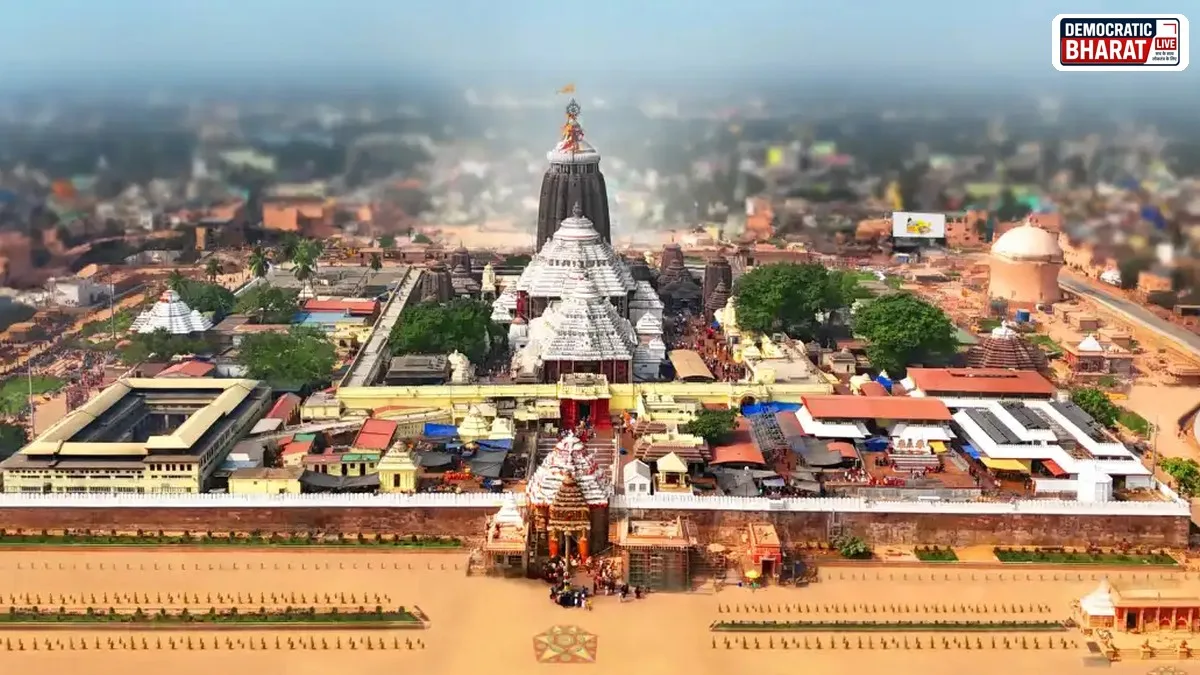
The Jagannath Temple Puri stands as one of the most revered and sacred shrines in India, drawing millions of devotees and tourists every year. Located in the coastal town of Puri in Odisha, this historic temple is dedicated to Lord Jagannath, an avatar of Lord Vishnu, along with his siblings Lord Balabhadra and Devi Subhadra. Planning a visit to this architectural marvel requires a good understanding of local traditions, entry guidelines, and temple protocols to ensure a respectful and fulfilling experience.
इस खबर में
This comprehensive visitor guide provides essential information for anyone planning a trip to the holy shrine. From understanding the dress code to knowing the best time for darshan and navigating the temple surroundings, this guide helps travelers prepare adequately. Visitors are encouraged to check official tourism portals for any updates regarding timings and special festival schedules before starting their journey. The monumental structure is a masterpiece of Kalinga architecture, featuring soaring spires, intricate carvings, and vast courtyards that reflect the rich heritage of ancient builders and artisans.
Surrounding the main temple are numerous smaller shrines dedicated to various deities of the Hindu pantheon, creating a vast spiritual ecosystem within the high stone walls. Pilgrims walk through the massive Lion Gate, known locally as Simhadwara, which serves as the primary entrance to the complex. The atmosphere inside is filled with the chanting of prayers, the ringing of bells, and the fragrant scent of sandalwood and incense, enveloping visitors in an aura of divine devotion.
Understanding Entry Rules And Dress Code
The administration of the Jagannath Temple Puri enforces strict guidelines regarding entry and attire to maintain the sanctity of the premises. Only Hindus are permitted inside the main temple complex, a traditional rule that has been followed for centuries at this historic site. Security personnel at the entrance gates verify adherence to these customs, and visitors should cooperate fully with the authorities during security checks.
When visiting the shrine, traditional attire is strongly recommended for all devotees. Men typically wear a dhoti and kurta, while women prefer sarees or traditional salwar kameez. Western clothing, shorts, and tight outfits are strictly prohibited inside the sacred precincts. Additionally, leather items such as belts, wallets, shoes, and bags are not allowed beyond the outer gates, so travelers should leave these belongings at their hotels or designated cloakrooms.
Foreign nationals and non Hindu tourists can still appreciate the architectural grandeur of the shrine from outside or view the complex from the roof of the nearby Raghunandan Library, which offers a panoramic perspective of the towering temple structure. Understanding these long standing traditions prevents any inconvenience at the gates and ensures a harmonious atmosphere for all worshippers gathered at the site.
Navigating Darshan And Daily Rituals
The Jagannath Temple Puri follows an elaborate schedule of daily rituals that span from early morning until late night. These rituals include the opening of the doors, morning prayers, food offerings known as Mahaprasad, and the closing ceremonies. Understanding these timings helps devotees plan their darshan effectively and avoid heavy rush hours during peak prayer times.
Read this also: Delhi Police Seeks List Of Lawrence Bishnoi Visitors In Sabarmati Jail
Photography and videography are strictly banned inside the main temple complex to maintain spiritual focus and security. Mobile phones, cameras, and electronic gadgets must be deposited at the designated deposit counters outside the entrance. Inside the complex, devotees can move through the designated barricades to catch a glimpse of the main deities in the sanctum sanctorum, guided by temple volunteers and police personnel.
The temple observes numerous seasonal festivals throughout the year, the most famous being the Rath Yatra or Chariot Festival, which attracts massive gatherings from across the globe. During this annual event, the deities are brought out of the sanctum and placed on gigantic, newly constructed wooden chariots to travel to the Gundicha Temple. Pilgrims and tourists planning their visit around these festival dates must book accommodations well in advance due to the exceptionally high volume of travelers.
Experiencing Mahaprasad And Local Culture
No visit to the Jagannath Temple Puri is complete without partaking in the famous Mahaprasad, which is prepared in the temple kitchen, known as the largest kitchen in the world. Thousands of devotees partake in this sacred food daily at the Ananda Bazaar inside the temple premises. The food is cooked in earthen pots using traditional firewood methods and is offered to Lord Jagannath before being distributed to the public.
Beyond the temple walls, Puri offers a rich cultural experience with its vibrant local markets, traditional handicrafts, and beautiful sea beaches. Visitors can explore local artisan shops selling Pattachitra paintings, stone carvings, and Pipili appliqué work. Travelers should also plan their stay keeping in mind the seasonal weather, with the winter months from October to March offering the most pleasant climate for sightseeing and pilgrimage.
The coastal location also allows visitors to enjoy the serene golden beaches of the Bay of Bengal, making it a balanced destination that combines spiritual devotion with coastal relaxation. Local guides and tourism offices provide valuable assistance for travelers wishing to explore nearby attractions such as the Konark Sun Temple and the Chilika Lake, ensuring a complete and enriching journey through the heritage of Odisha.
Frequently Asked Questions (FAQ)
What is Jagannath Temple Puri?
The Jagannath Temple Puri stands as one of the most revered and sacred shrines in India, drawing millions of devotees and tourists every year. Located in the coastal town of Puri in Odisha, this historic temple is dedicated to Lord Jagannath, an avatar of Lord Vishnu, along with his siblings Lord Balabhadra and Devi Subhadra. Planning a visit to this architectural marvel requires a good understanding of local traditions, entry guidelines, and temple protocols to ensure a respectful and fulfilling experience.
What should you know about Understanding Entry Rules And Dress Code?
The administration of the Jagannath Temple Puri enforces strict guidelines regarding entry and attire to maintain the sanctity of the premises. Only Hindus are permitted inside the main temple complex, a traditional rule that has been followed for centuries at this historic site. Security personnel at the entrance gates verify adherence to these customs, and visitors should cooperate fully with the authorities during security checks.
What should you know about Navigating Darshan And Daily Rituals?
The Jagannath Temple Puri follows an elaborate schedule of daily rituals that span from early morning until late night. These rituals include the opening of the doors, morning prayers, food offerings known as Mahaprasad, and the closing ceremonies. Understanding these timings helps devotees plan their darshan effectively and avoid heavy rush hours during peak prayer times.
What should you know about Experiencing Mahaprasad And Local Culture?
No visit to the Jagannath Temple Puri is complete without partaking in the famous Mahaprasad, which is prepared in the temple kitchen, known as the largest kitchen in the world. Thousands of devotees partake in this sacred food daily at the Ananda Bazaar inside the temple premises. The food is cooked in earthen pots using traditional firewood methods and is offered to Lord Jagannath before being distributed to the public.
Source: Odisha Tourism, Government of India