
Bodh Gaya, located in the Indian state of Bihar, is universally recognized as the place where Siddhartha Gautama attained supreme enlightenment and became the Buddha. The town attracts pilgrims, scholars, and spiritual seekers from across the globe who come to visit its numerous monasteries, meditation centers, and historical monuments. At the center of this sacred landscape stands the Mahabodhi Temple Complex, a structure of immense architectural and religious importance. Pilgrims travel vast distances to immerse themselves in the atmosphere of deep peace and historical continuity that defines the area.
इस खबर में
The site serves as the spiritual heart of Buddhism and is maintained by local administrative bodies alongside international Buddhist organizations. Visitors to Bodh Gaya experience a peaceful atmosphere conducive to meditation, study, and quiet reflection. Understanding the historical context and layout of the temple complex enhances the pilgrimage experience for anyone interested in ancient Indian heritage. The surroundings are filled with chanting monks, silent meditators, and individuals exploring the profound teachings originating from this geographic focal point.
History of the Sacred Site
Historical records indicate that the original shrine at this location was established by Emperor Ashoka during the third century BCE. Over subsequent centuries, various rulers and dynasties contributed to the expansion, renovation, and maintenance of the temple. The architectural evolution reflects a blend of ancient Indian design traditions that influenced temple construction across Asia. Emperor Ashoka’s devotion transformed the humble meditation site into a monumental center of pilgrimage, leaving behind stone pillars and early architectural foundations that archeologists continue to study.
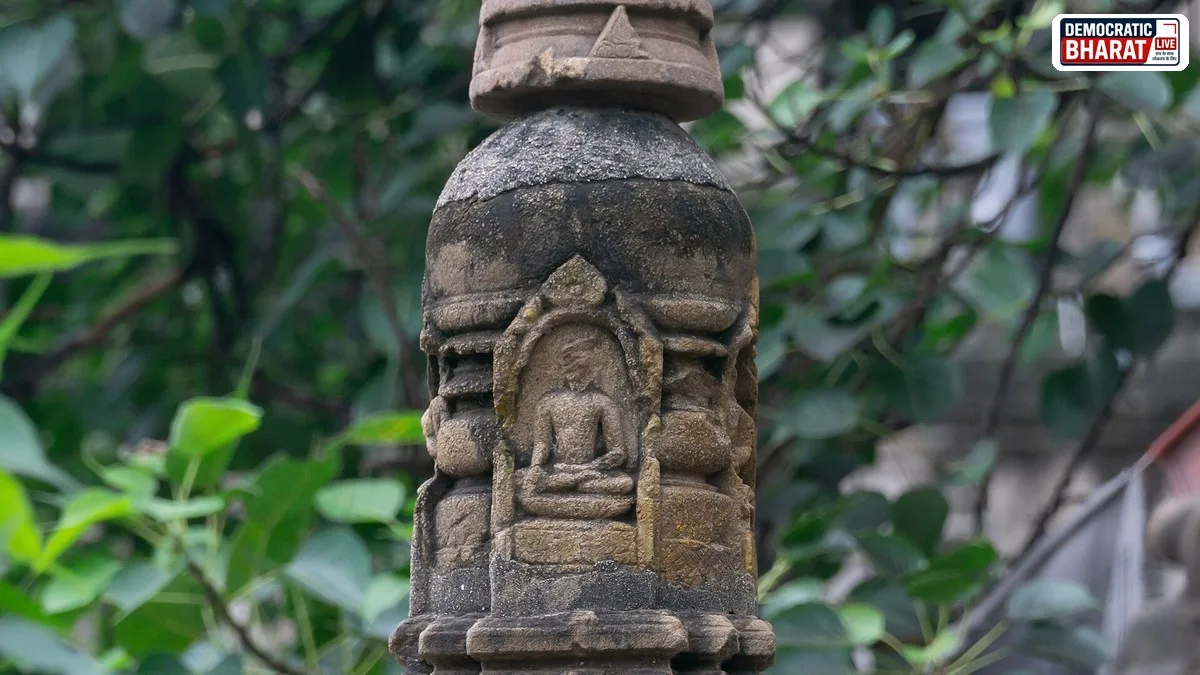
Archaeological excavations have uncovered numerous votive stupas, ancient railings, and stone sculptures that date back to the Sunga and Gupta periods. These artifacts provide valuable insights into the artistic achievements of early craftsmen and the patronage extended by historical rulers. The survival of these structures offers a tangible link to the formative years of Buddhist architecture. Scholars have meticulously documented these carvings, which depict scenes from the life of the Buddha, celestial beings, and flora and fauna native to the region, adding immense historical value to the sanctuary.
Architecture of the Mahabodhi Temple
The Mahabodhi Temple is one of the earliest brick temples built in the Indian subcontinent that remains largely intact. The main sanctuary features a towering pyramidal shikhara adorned with intricate niches, decorative panels, and images of the Buddha. The exterior walls display remarkable craftsmanship, showcasing the mastery of ancient brickwork and sculptural detailing. The soaring height of the central tower dominates the skyline of the town, drawing the eyes and minds of approaching visitors toward the sacred core of the complex.
Read this also: Delhi Police Seeks List Of Lawrence Bishnoi Visitors In Sabarmati Jail
Surrounding the main temple are four smaller towers that mirror the design of the central structure. The eastern entrance leads visitors into the vast courtyard, which contains numerous sacred shrines and memorial plaques. The layout reflects traditional cosmological concepts found in ancient Buddhist texts, emphasizing balance and spiritual harmony. Every structural element, from the carved stone railings to the sacred ponds, is arranged to guide the physical and mental journey of the pilgrim toward inner awakening.
The Sacred Bodhi Tree
Adjacent to the main temple stands the sacred Bodhi Tree, a direct descendant of the original pipal tree under which the Buddha sat in meditation. This tree is the focal point of devotion for pilgrims who perform circumambulation and offer prayers beneath its branches. The descendant tree is carefully nurtured by temple authorities to ensure its health and longevity. The fluttering prayer flags hung around its perimeter add vibrant color and movement to the serene environment.
The area immediately surrounding the tree is marked by a polished red sandstone slab known as the Vajrasana, or the Diamond Throne, which designates the exact spot of enlightenment. Monks and lay practitioners gather here daily to chant scriptures and practice mindfulness. The presence of the tree connects modern visitors directly with the foundational events of Buddhist tradition. Generations of devotees have drawn inspiration from this living monument, making it one of the most revered natural landmarks in the world.
Exploring Monasteries and Global Heritage
Bodh Gaya hosts an array of international monasteries established by countries such as Japan, Thailand, Bhutan, Tibet, and Myanmar. Each monastery showcases the distinct architectural styles, artistic motifs, and cultural traditions of its home country. Visitors can observe diverse rituals, listen to chanting, and participate in guided meditation sessions organized by local centers. This cultural diversity transforms the town into a microcosm of the global Buddhist community, where traditions from various continents merge harmoniously.
Travelers planning a visit should check official tourism portals for guidelines on entry timings, dress codes, and local transport options. The cooler winter months attract larger numbers of people due to various international religious conferences and teachings that take place across the monastic grounds. Respecting local customs, maintaining quiet reverence, and supporting community heritage preservation efforts ensure a meaningful and sustainable experience for all attendees.
Frequently Asked Questions (FAQ)
What is Bodh Gaya and the Mahabodhi Temple?
Bodh Gaya, located in the Indian state of Bihar, is universally recognized as the place where Siddhartha Gautama attained supreme enlightenment and became the Buddha. The town attracts pilgrims, scholars, and spiritual seekers from across the globe who come to visit its numerous monasteries, meditation centers, and historical monuments. At the center of this sacred landscape stands the Mahabodhi Temple Complex, a structure of immense architectural and religious importance. Pilgrims travel vast distances to immerse themselves in the atmosphere of deep peace and historical continuity that defines the area.
What should you know about History of the Sacred Site?
Historical records indicate that the original shrine at this location was established by Emperor Ashoka during the third century BCE. Over subsequent centuries, various rulers and dynasties contributed to the expansion, renovation, and maintenance of the temple. The architectural evolution reflects a blend of ancient Indian design traditions that influenced temple construction across Asia. Emperor Ashoka’s devotion transformed the humble meditation site into a monumental center of pilgrimage, leaving behind stone pillars and early architectural foundations that archeologists continue to study.
What should you know about Architecture of the Mahabodhi Temple?
The Mahabodhi Temple is one of the earliest brick temples built in the Indian subcontinent that remains largely intact. The main sanctuary features a towering pyramidal shikhara adorned with intricate niches, decorative panels, and images of the Buddha. The exterior walls display remarkable craftsmanship, showcasing the mastery of ancient brickwork and sculptural detailing. The soaring height of the central tower dominates the skyline of the town, drawing the eyes and minds of approaching visitors toward the sacred core of the complex.
What should you know about The Sacred Bodhi Tree?
Adjacent to the main temple stands the sacred Bodhi Tree, a direct descendant of the original pipal tree under which the Buddha sat in meditation. This tree is the focal point of devotion for pilgrims who perform circumambulation and offer prayers beneath its branches. The descendant tree is carefully nurtured by temple authorities to ensure its health and longevity. The fluttering prayer flags hung around its perimeter add vibrant color and movement to the serene environment.