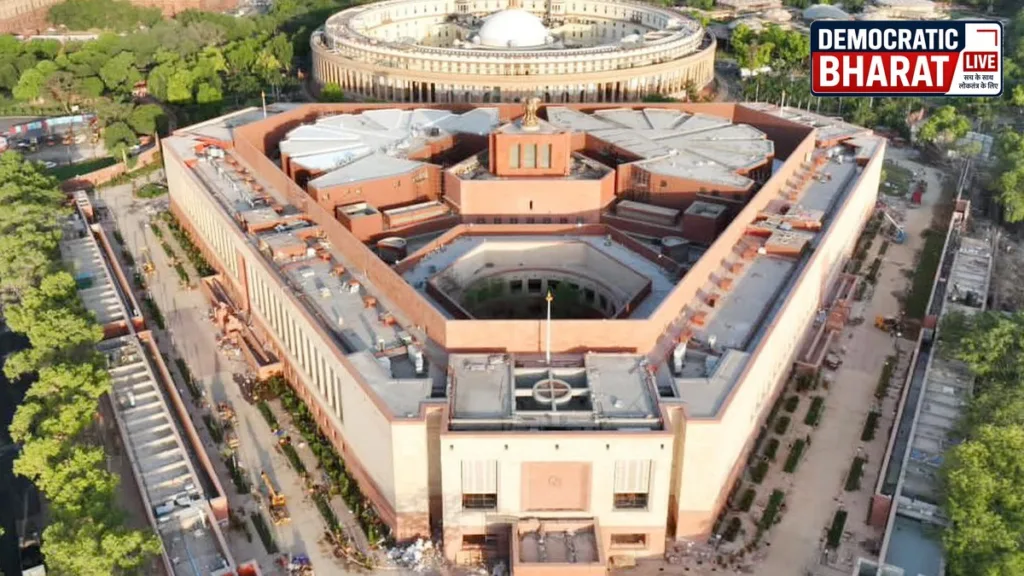

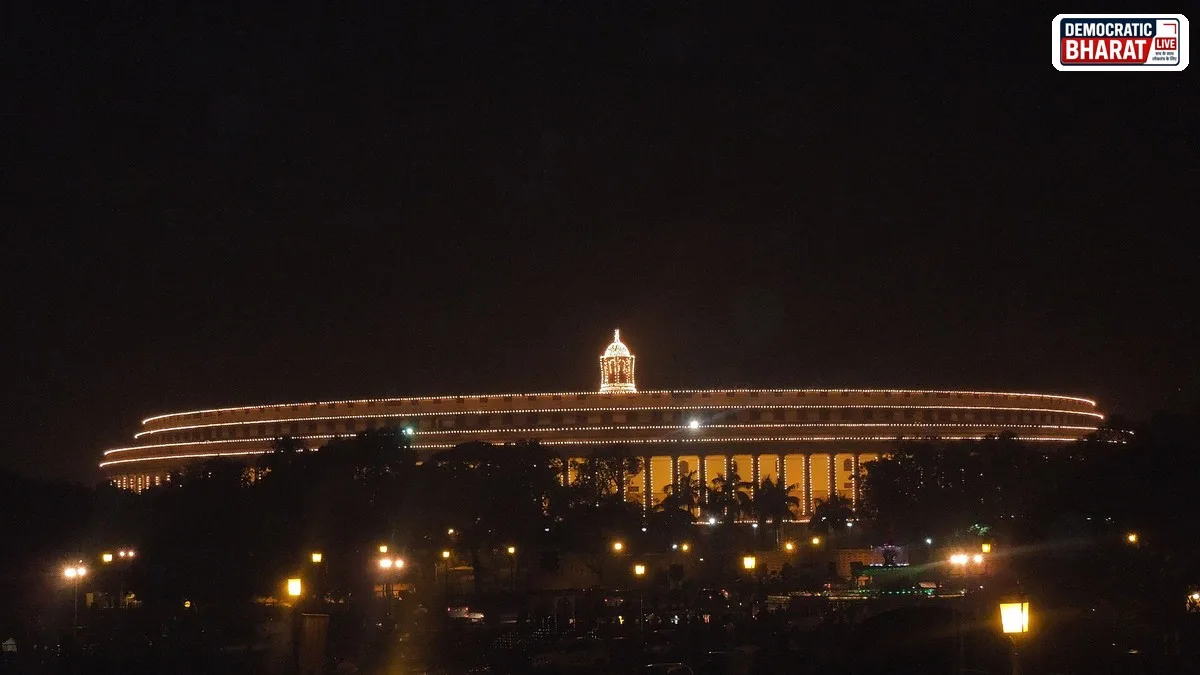
The parliamentary framework of India establishes several key constitutional offices to maintain order and facilitate democratic debate. Among these, the office of the Deputy Speaker holds a position of immense responsibility within the lower house of Parliament, known as the Lok Sabha. While the Speaker serves as the primary presiding officer, the Deputy Speaker acts as an essential pillar of support, ensuring that legislative business proceeds without interruption.
इस खबर में
Understanding this role requires looking closely at the constitutional provisions, parliamentary rules, and democratic traditions that govern the Indian legislature. Readers seeking precise procedural details are encouraged to consult official parliamentary resources and constitutional texts for comprehensive information.
Constitutional Basis And Election Process
Article 93 of the Constitution of India mandates that the House of the People shall, as soon as may be, choose two members of the House to be respectively Speaker and Deputy Speaker. Whenever the office of the Deputy Speaker falls vacant, the house chooses another member to fill the vacancy. This provision ensures that the legislative body always maintains a designated leadership structure to manage its daily affairs.
The election of the Deputy Speaker takes place through a motion adopted by a majority of the members present and voting in the Lok Sabha. Conventionally, the position has often been accorded to members from opposition parties in various terms, fostering a spirit of bipartisan cooperation and neutral administration within the house. Once elected, the Deputy Speaker serves for the duration of the house, barring resignation, removal, or disqualification from membership.
The process reflects the democratic ethos of the Indian republic, where legislative offices operate on collective agreement and established norms. While the Constitution mandates the creation of the office, the exact timing of the election is determined through parliamentary procedures and administrative readiness. Detailed rules regarding the nomination and voting process are clearly outlined in the Rules of Procedure and Conduct of Business in Lok Sabha.
Constitutional drafters intentionally integrated this dual leadership mechanism to guarantee that the absence of the primary presiding officer never halts legislative accountability. The continuity provided by the presence of a Deputy Speaker underpins the structural stability of the entire parliamentary system. Members from diverse geographical constituencies rely upon this continuous administrative presence to table questions, introduce private member bills, and engage in meaningful deliberation.
Powers And Responsibilities In The House
The primary function of the Deputy Speaker is to preside over the sittings of the Lok Sabha in the absence of the Speaker. When occupying the chair, the Deputy Speaker exercises all the powers and authorities vested in the Speaker. These powers include maintaining order, ruling on points of order, allocating time for debates, and safeguarding the rights of individual members to speak on matters of public importance.
Read this also: Pradhan Mantri Suraksha Bima Yojana Provides Affordable Accident Cover
In addition to presiding over the house during general debates, the Deputy Speaker frequently chairs various parliamentary committees when appointed to do so. This administrative involvement helps streamline legislative scrutiny and ensures that committees function efficiently. The presence of a competent presiding officer ensures that legislative proceedings adhere to established rules and democratic principles.
When the Speaker is absent, the Deputy Speaker assumes full administrative responsibility for the secretariat work associated with the presiding officer’s office. This ensures continuity in governance and parliamentary administration. Members rely on the impartial execution of these duties to voice their concerns and represent their constituencies effectively.
Furthermore, when presiding over joint sittings of both houses of Parliament under specific constitutional provisions, the Deputy Speaker exercises jurisdictional authority identical to that of the Speaker. This expansive operational capacity highlights the systemic importance of the office beyond routine lower house deliberations, reinforcing the necessity for procedural mastery and legislative acumen.
Independence And Equality Of Votes
A crucial aspect of the Deputy Speaker’s role is maintaining absolute political neutrality while discharging official duties. Although elected on a party ticket, the occupant of this office must rise above partisan affiliations to ensure fair treatment for all members of the house. This impartiality is vital for preserving the dignity and credibility of the parliamentary institution.
Regarding voting rights, the Deputy Speaker does not vote in the first instance during normal legislative proceedings. However, they possess a casting vote to resolve a tie when the house divides equally on a motion or bill. This casting vote is exercised strictly in accordance with established parliamentary conventions to maintain the status quo or facilitate further debate.
Furthermore, the Constitution provides specific protections to ensure the independence of the presiding officers, including the Deputy Speaker. Their salary and allowances are charged upon the Consolidated Fund of India, shielding them from annual legislative budget cuts related to their official conduct. These safeguards empower the Deputy Speaker to make objective decisions without fear of political repercussions.
The institutional design ensures that the office remains insulated from executive pressures, allowing the holder to act as an unbiased arbiter between the ruling administration and the parliamentary opposition. Upholding these high standards of neutrality guarantees that the Lok Sabha remains a vibrant forum for democratic discourse, upholding the ultimate sovereignty of the citizens of India.
Frequently Asked Questions (FAQ)
What is Deputy Speaker Role?
The parliamentary framework of India establishes several key constitutional offices to maintain order and facilitate democratic debate. Among these, the office of the Deputy Speaker holds a position of immense responsibility within the lower house of Parliament, known as the Lok Sabha. While the Speaker serves as the primary presiding officer, the Deputy Speaker acts as an essential pillar of support, ensuring that legislative business proceeds without interruption.
What should you know about Constitutional Basis And Election Process?
Article 93 of the Constitution of India mandates that the House of the People shall, as soon as may be, choose two members of the House to be respectively Speaker and Deputy Speaker. Whenever the office of the Deputy Speaker falls vacant, the house chooses another member to fill the vacancy. This provision ensures that the legislative body always maintains a designated leadership structure to manage its daily affairs.
What should you know about Powers And Responsibilities In The House?
The primary function of the Deputy Speaker is to preside over the sittings of the Lok Sabha in the absence of the Speaker. When occupying the chair, the Deputy Speaker exercises all the powers and authorities vested in the Speaker. These powers include maintaining order, ruling on points of order, allocating time for debates, and safeguarding the rights of individual members to speak on matters of public importance.
What should you know about Independence And Equality Of Votes?
A crucial aspect of the Deputy Speaker’s role is maintaining absolute political neutrality while discharging official duties. Although elected on a party ticket, the occupant of this office must rise above partisan affiliations to ensure fair treatment for all members of the house. This impartiality is vital for preserving the dignity and credibility of the parliamentary institution.
Source: Parliament of India, Digital Sansad, Government of India