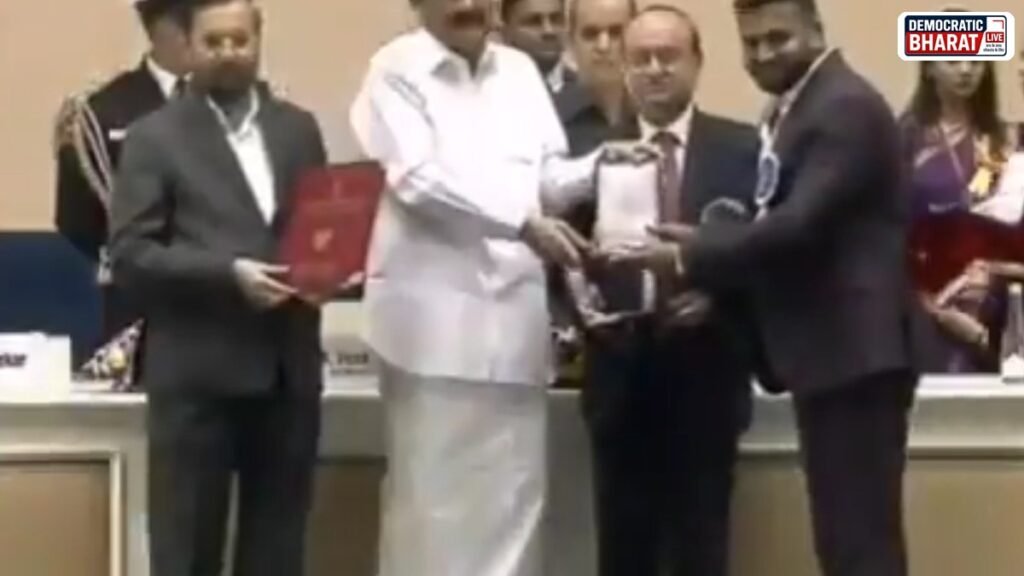
The Dadasaheb Phalke Award stands as the highest recognition available within the Indian film industry. It celebrates outstanding contributions to the growth and development of Indian cinema, honoring individuals whose life work leaves a permanent mark on the medium. Managed by the Directorate of Film Festivals under the Ministry of Information and Broadcasting, this honor holds immense prestige for filmmakers, actors, technicians, and artists across the nation. The cinematic arts in India have evolved through various eras, transforming from silent pictures into a massive global entertainment powerhouse. Throughout this evolution, specific visionaries have steered the direction of visual storytelling, creating a distinct cultural identity that resonates with audiences worldwide.
The award serves as a national tribute to veterans who shape the cultural and artistic landscape of the country through motion pictures. Every year, film professionals from various regions and languages await the announcement, which highlights dedication, creativity, and perseverance in storytelling. Understanding the background and criteria of this distinction provides valuable insight into the heritage of Indian filmmaking. The rigorous nature of the selection ensures that only those individuals whose bodies of work demonstrate exceptional quality and enduring influence attain this esteemed status.
Furthermore, the tradition of honoring cinematic excellence reinforces the importance of artistic preservation. India produces thousands of films annually across multiple linguistic industries, creating a rich tapestry of narratives reflecting diverse social contexts. Recognizing the architects of this vast artistic landscape guarantees that the foundational efforts of early pioneers and modern masters remain central to the national consciousness. The honor acts as a bridge connecting historical achievements with contemporary creative endeavors, inspiring continuous growth within the sector.
Origins and History of the Honor
The Government of India introduced the honor in the year 1969 to commemorate the birth centenary of Dhundiraj Govind Phalke. Commonly known as Dadasaheb Phalke, he directed India’s first full length feature film, Raja Harishchandra, released in 1913. His pioneering vision laid the foundation for the entire cinematic ecosystem in the country, earning him the title of the father of Indian cinema. Dhundiraj Govind Phalke faced numerous financial and societal challenges while producing his silent mythological film, yet his perseverance unlocked a brand new medium of creative expression for the Indian public.
The establishment of this recognition aimed to celebrate individuals who carry forward the rich legacy created by early pioneers. Over the decades, the scope of the honor expanded to encompass contributions across regional film industries, ensuring that excellence in every language spoken across India receives due appreciation at the national level. The historical trajectory of the award reflects the broader expansion of Indian cinema, moving from a centralized production model in early hubs to a decentralized network of vibrant regional film centers.
As Indian cinema navigated the transition from silent films to talkies and eventually into the color and digital eras, the relevance of Dadasaheb Phalke’s foundational contributions only grew stronger. The institution of this award served as a formal mechanism for the state to acknowledge the cultural weight of the film medium, elevating motion pictures from mere commercial entertainment to a recognized form of high art and cultural documentation.
Significance and Selection Process
Receiving the Dadasaheb Phalke Award marks the pinnacle of a cinematic career in India. The recipient receives a Swarna Kamal golden lotus medal, a shawl, and a cash prize, acknowledging their lifelong dedication to the art form. This distinction elevates the status of the artist, cementing their place in the history books of Indian entertainment. Beyond the tangible symbols of recognition, the award carries immense symbolic value, representing the collective gratitude of a nation for decades of creative output.
Read this also: Voter Helpline App Services for Indian Citizens and Electors
A specially appointed committee consisting of eminent personalities from the Indian film industry evaluates nominations and selects the recipient. This jury reviews the overall impact, longevity, and quality of work produced by nominees throughout their careers. The transparent evaluation process ensures that only the most deserving veterans receive the accolade. Committee members often include respected actors, directors, producers, and critics who possess deep knowledge of cinematic history and technical craftsmanship.
The deliberative process involves meticulous scrutiny of each candidate’s filmography, assessing how their artistic choices influenced subsequent generations of filmmakers. Because the award honors a lifetime of work rather than a single successful project, the evaluation covers decades of creative output, weathering changing audience tastes, technological shifts, and industry transformations. This rigorous scrutiny guarantees the enduring integrity and prestige of the national honor.
Notable Recipients and Legacy
Since its inception, the honor has been bestowed upon numerous legendary actors, directors, musicians, and producers. The very first recipient was actress Devika Rani, who made significant contributions to early Indian cinema as a leading lady and studio executive. Subsequent years saw filmmakers like Satyajit Ray, Raj Kapoor, and V Shantaram receiving the distinction. Each of these honnores brought distinct artistic sensibilities to the screen, whether through poetic realism, grand commercial showmanship, or socially conscious storytelling.
The legacy of the award continues to inspire generations of new artists entering the film industry. By honoring those who dedicated their lives to visual storytelling, the nation preserves its cultural memory and encourages future creators to maintain high standards of artistic integrity and passion. When young directors, cinematographers, actors, and writers study the life works of past recipients, they gain a comprehensive understanding of the dedication required to achieve true greatness in cinema.
Ultimately, the Dadasaheb Phalke Award functions as a living archive of Indian film history. Every recipient adds a unique chapter to the ongoing story of Indian motion pictures. As the cinematic landscape continues to adapt to new technologies and global audiences, this enduring accolade remains a steadfast symbol of artistic excellence, honoring the individuals who transformed the silver screen into a mirror of Indian society, culture, and imagination.
Frequently Asked Questions (FAQ)
What is the Dadasaheb Phalke Award?
The Dadasaheb Phalke Award stands as the highest recognition available within the Indian film industry. It celebrates outstanding contributions to the growth and development of Indian cinema, honoring individuals whose life work leaves a permanent mark on the medium.
What should you know about Origins and History of the Honor?
The Government of India introduced the honor in the year 1969 to commemorate the birth centenary of Dhundiraj Govind Phalke.
What should you know about Significance and Selection Process?
Receiving the Dadasaheb Phalke Award marks the pinnacle of a cinematic career in India.
What should you know about Notable Recipients and Legacy?
Since its inception, the honor has been bestowed upon numerous legendary actors, directors, musicians, and producers.
Source: Directorate of Film Festivals, Ministry of Information and Broadcasting, Directorate of Film Festivals