The leg before wicket rule in cricket is one of the most debated and discussed laws of the game. It allows the bowling side to appeal for a dismissal when the ball strikes the batsman’s body instead of the bat. To understand this law properly, fans must look at several physical factors on the cricket pitch. These factors include where the ball pitches, where it impacts the batsman, and whether it would hit the stumps. The law exists to prevent batsmen from intentionally blocking the ball with their bodies rather than playing a proper cricketing stroke with the bat.
Over the years, technology has transformed how this rule is applied during international and domestic matches. The introduction of ball tracking systems helps officials make precise measurements of trajectory. However, the core principles of the law remain rooted in fairness, ensuring that batsmen cannot simply use their bodies as a barrier to protect the stumps. Cricket is fundamentally a game between bat and ball, and this law ensures that the defensive equipment worn by the batsman does not unfairly replace the function of the bat itself.
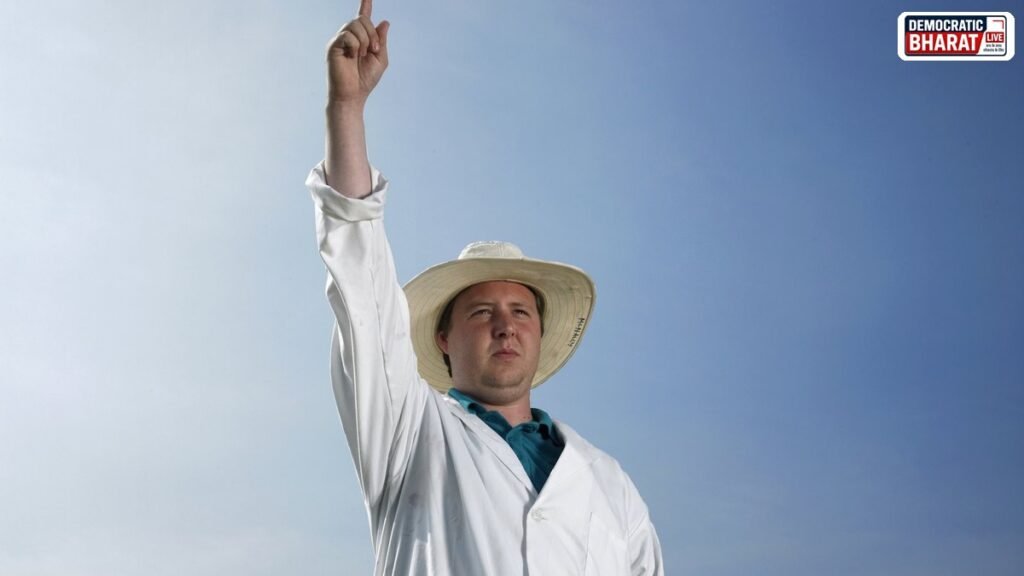
When a bowler delivers the ball, the fielding team watches closely for any deflection off the body. If the ball misses the bat and strikes the pads, the fielding players often appeal enthusiastically to the umpire. The umpire must then mentally reconstruct the path of the ball, accounting for speed, swing, seam movement, and the pitch conditions. Every single appeal requires the umpire to evaluate multiple variables in a fraction of a second before arriving at a definitive conclusion.
Basic Requirements For An Appeal
For an umpire to adjudge a batsman out under this law, the delivery must meet specific criteria. First, the ball must not pitch outside the leg stump of the batsman. If it does, the law states that the batsman is automatically not out, regardless of where the ball is heading after bouncing. This specific protection is granted to the batsman because bowling from over the wicket or around the wicket creates extreme angles where pitching on the leg side rarely yields a fair contest.
Second, the ball must strike a part of the batsman’s body, usually the pads or legs. The hands holding the bat are generally considered part of the bat, provided they are touching the handle. If the ball hits the bat and pad simultaneously, the benefit of the doubt usually goes to the batsman. Furthermore, the part of the body that makes contact must be in line with the wickets or outside the off stump, depending on whether a shot was played, establishing clear boundaries for the officials to judge.
The physical positioning of the batsman inside the crease also dictates the outcome of an appeal. If a batsman moves down the pitch significantly to smother the spin or swing, additional rules come into play regarding the distance from the stumps. Umpires must calculate whether the ball would have traveled far enough to crash into the bails or if it would have passed safely over the top of the wickets due to the trajectory of the bounce.
Understanding The Impact And Stumps
The point of impact between the ball and the batsman’s body is crucial for the final decision. If the impact happens outside the line of the off stump, the batsman can still be given out under certain conditions. This usually depends on whether the batsman was offering a genuine stroke or attempting to play a shot with the bat. Offering a stroke provides certain immunities against dismissals if the impact occurs outside the defined off stump line.
Read this also: Voter Helpline App Services for Indian Citizens and Electors
When the impact occurs outside the line of the off stump while the batsman is offering no stroke, different criteria apply. The ball must still be projected to hit the stumps for a dismissal to occur. Umpires and technology evaluate the entire trajectory to determine if the ball would have made contact with the wickets. If the projected path indicates that the ball would miss the stumps entirely, the batsman remains safe even if the impact was directly in front of the wicket.
The height of the impact is equally significant in determining the final verdict. If the ball strikes the batsman too high up the leg, above a certain threshold relative to the bails, the umpire will rule not out because the ball would have sailed over the top. Conversely, if the impact is low and heading straight into the timber, the likelihood of a successful appeal increases dramatically, shifting the pressure entirely back onto the batting side.
The Role Of Modern Technology
Modern cricket relies heavily on decision review systems to assist umpires with complex judgments. Ball tracking technology creates a three dimensional projection of the ball’s path. This projection helps determine the pitching zone, the impact point, and the projected hitting zone on the stumps. Captains and players can challenge on-field decisions if they believe the umpire made an error, introducing an analytical layer to the strategic elements of the match.
Despite advanced technology, the human element remains vital in the sport. Umpires must make split second decisions based on their line of sight and experience. Technology acts as a supporting tool rather than a complete replacement for human judgment. When reviews are requested, television match officials analyze multiple camera angles to feed data into the tracking software, ensuring that every marginal call receives thorough scrutiny before a final decision is locked in.
Fans interested in the most current regulations should check the official website of the governing body for detailed rulebooks and updates. Understanding these intricate guidelines enhances the viewing experience, allowing spectators to appreciate the immense skill required by both the bowler delivering the white or red leather sphere and the batsman defending the sacred wooden stumps.
Frequently Asked Questions (FAQ)
What is the LBW rule in cricket?
The leg before wicket rule in cricket is one of the most debated and discussed laws of the game. It allows the bowling side to appeal for a dismissal when the ball strikes the batsman’s body instead of the bat.
What should you know about Basic Requirements For An Appeal?
For an umpire to adjudge a batsman out under this law, the delivery must meet specific criteria.
What should you know about Understanding The Impact And Stumps?
The point of impact between the ball and the batsman’s body is crucial for the final decision.
What should you know about The Role Of Modern Technology?
Modern cricket relies heavily on decision review systems to assist umpires with complex judgments.