

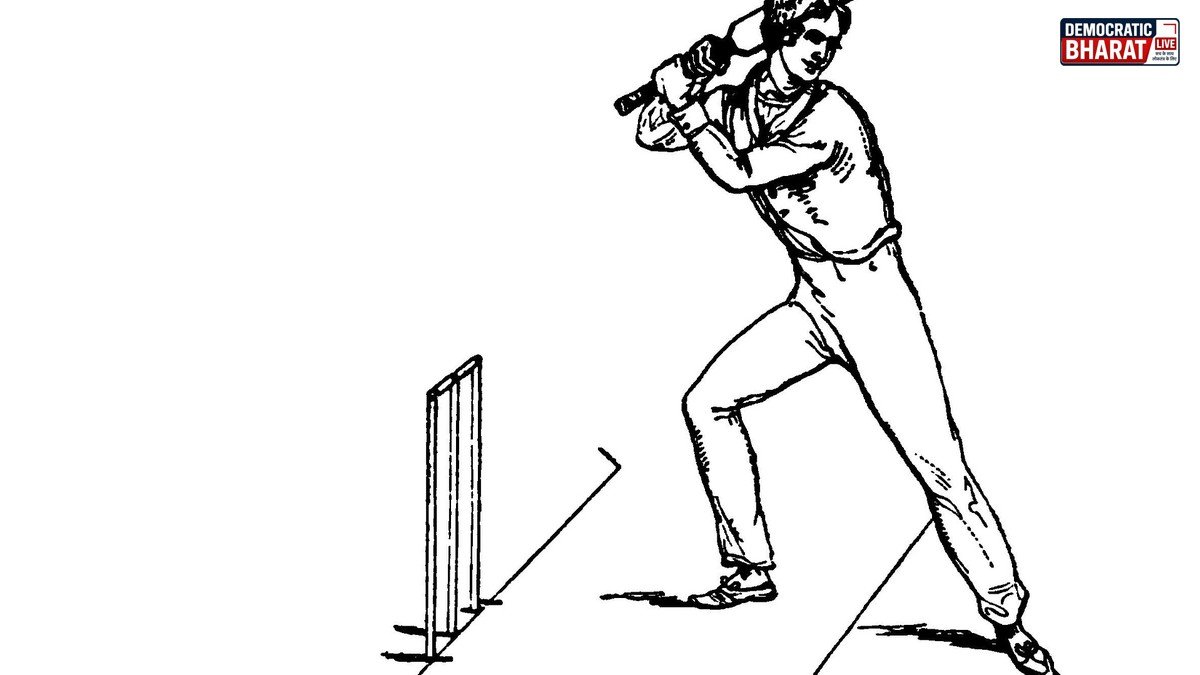
Limited overs cricket relies heavily on regulations that govern fielding restrictions throughout an innings. These regulations, commonly known as powerplay rules, divide an innings into distinct phases where specific numbers of fielders must remain inside the inner circle. The primary objective is to encourage attacking stroke play while maintaining a fair contest between the bowler and the batsman.
Over the decades, governing bodies have periodically revised these protocols to adapt to the changing dynamics of one day internationals and twenty twenty matches. Captains and coaches now build entire match strategies around these fielding restrictions, planning when to attack with pace and spin or when to consolidate innings during non restriction periods.
As television broadcast audiences grew and the commercial appeal of limited overs fixtures expanded, administrators recognized that low scoring conservative opening partnerships detracted from the entertainment value of the sport. The initial impulse behind these rules was to inject urgency and excitement into the opening phase of the game, compelling fielding sides to adopt a more proactive posture rather than settling into deep defensive alignments.
The physical layout of the playing area during these restricted periods transforms completely. Umpires monitor the positions of all eleven players closely, and any infraction regarding fielder placement results in a no ball or financial penalties depending on the specific tournament guidelines. This meticulous enforcement ensures that the balance between bat and ball remains strictly regulated throughout the duration of the match.
Origins of Fielding Restrictions
The concept of fielding restrictions was introduced in the nineteen eighties to make one day internationals more entertaining for spectators. Before these regulations, fielding teams could place all nine outfield players near the boundary ropes, making it extremely difficult for batsmen to score freely during the initial overs. The introduction of a mandatory inner circle fundamentally changed how teams approached the start of an innings.
Initially, the restriction phase applied only to the first fifteen overs of a fifty over contest. During this period, only two fielders were permitted to field outside the thirty yard circle. This created significant scoring opportunities for opening batsmen who could exploit the gap between the inner ring and the boundary ropes with conventional grounded shots.
As batting techniques advanced and players learned to hit the ball cleanly over the infielders, captains were forced to rethink their defensive strategies. The introduction of the inner circle meant that fast bowlers could no longer rely solely on packing the off side boundary with catching fielders. Instead, they had to pitch the ball fuller, inviting drives and risking boundaries in exchange for potential edge dismissals.
The transition period of the nineteen nineties saw further adjustments as teams began to understand the statistical advantage of utilizing aggressive openers during these mandatory restriction overs. Analysts and coaches started studying fielding patterns meticulously, identifying gaps in the inner ring and teaching batsmen specialized sweep shots and lofted drives to clear the infield without necessarily needing maximum power.
Evolution in One Day Internationals
As the sport evolved, cricket administrators experimented with splitting the restricted overs into multiple blocks to add tactical depth. For many years, the fifty over format featured a mandatory powerplay at the start, followed by batting and bowling powerplays taken at the discretion of the captains. This era allowed teams to choose strategic windows for aggressive accumulation or defensive containment.
Eventually, the game returned to a simplified structure to reduce complexity for viewers and officials. Modern one day international regulations divide the fifty overs into three distinct phases. The first ten overs feature mandatory fielding restrictions, followed by a middle phase where four fielders are allowed outside the circle, and a final block of overs where five fielders can patrol the boundary.
Read this also: Death Certificate Registration Process in India Explained Clearly
This three phase model successfully addressed concerns that floating powerplays were confusing for casual fans and overly disruptive to the natural flow of the game. By establishing fixed blocks, captains gained predictable structures around which they could plan their bowling changes and fielding rotations. Spin bowlers often operate extensively during the middle overs where four fielders are outside the circle, utilizing flight and guile to restrict run scoring.
The final block of fifty over matches brings the maximum number of outfielders into play, allowing captains to set defensive fields designed to prevent boundaries and encourage tight two point scoring. Batting teams must therefore balance the risk of losing wickets against the necessity of accelerating the run rate during this final phase.
Twenty Twenty Powerplay Structure
The shortest international format adopts a compressed version of these regulations to maintain a rapid and aggressive tempo. In twenty twenty matches, the opening phase of fielding restrictions lasts for the first six overs of each innings. During this initial block, only two fielders are permitted to stand outside the thirty yard circle.
Following the conclusion of this initial block, the remaining fourteen overs permit a maximum of five fielders outside the inner circle. This structure places immense pressure on bowling units to pick up early wickets while restricting boundary options. Batting teams often use this window to maximize their score before fielding restrictions are lifted.
The brevity of the twenty twenty format means that every single ball bowled during the powerplay carries immense weight. Opening batsmen frequently attempt high risk aerial shots over the infield, knowing that missing the opportunity to score during these six overs can severely limit the team’s final total.
Bowlers in twenty twenty matches have had to develop variations such as slower deliveries, yorkers, and wide outside off stump lines to counter the aggressive mindset of modern batsmen during the powerplay. The margin for error is exceptionally small, and a single misdirected delivery can easily be dispatched to the boundary.
Tactical Significance for Captains
Captains must carefully manage their bowling resources to maximize the effectiveness of restricted phases. Opening bowlers are tasked with utilizing the hard new ball and the limited outfield protection to dismiss top order batsmen. Conversely, batting sides often promote aggressive hitters to the top of the order to capitalize on the vacant spaces in the outfield.
Penalties for slow over rates or fielding infractions add another layer of complexity to these regulations. If a fielding team fails to complete its overs within the stipulated time, extra fielders are forced inside the inner circle as a penalty. For precise and up to date tournament guidelines, check the official website of the International Cricket Council.
Strategic planning extends beyond just choosing the right bowlers. Captains must also anticipate the tactical shifts of the opposition. If a batting team loses early wickets during the powerplay, the fielding captain might adjust the inner ring slightly to prevent singles, forcing the new batsman to take greater risks. Conversely, if the opening pair builds a solid partnership, the captain must decide whether to introduce spin prematurely or persist with frontline fast bowlers.
Ultimately, powerplay rules have transformed limited overs cricket into a dynamic game of chess between bat and ball. The continuous interplay between fielding restrictions and batting aggression ensures that tactics remain central to the sport’s enduring appeal across all global formats.
Frequently Asked Questions (FAQ)
What is Powerplay Rules in Cricket?
Limited overs cricket relies heavily on regulations that govern fielding restrictions throughout an innings. These regulations, commonly known as powerplay rules, divide an innings into distinct phases where specific numbers of fielders must remain inside the inner circle. The primary objective is to encourage attacking stroke play while maintaining a fair contest between the bowler and the batsman.
What should you know about Origins of Fielding Restrictions?
The concept of fielding restrictions was introduced in the nineteen eighties to make one day internationals more entertaining for spectators. Before these regulations, fielding teams could place all nine outfield players near the boundary ropes, making it extremely difficult for batsmen to score freely during the initial overs. The introduction of a mandatory inner circle fundamentally changed how teams approached the start of an innings.
What should you know about Evolution in One Day Internationals?
As the sport evolved, cricket administrators experimented with splitting the restricted overs into multiple blocks to add tactical depth. For many years, the fifty over format featured a mandatory powerplay at the start, followed by batting and bowling powerplays taken at the discretion of the captains. This era allowed teams to choose strategic windows for aggressive accumulation or defensive containment.
What should you know about Twenty Twenty Powerplay Structure?
The shortest international format adopts a compressed version of these regulations to maintain a rapid and aggressive tempo. In twenty twenty matches, the opening phase of fielding restrictions lasts for the first six overs of each innings. During this initial block, only two fielders are permitted to stand outside the thirty yard circle.






प्रातिक्रिया दे