
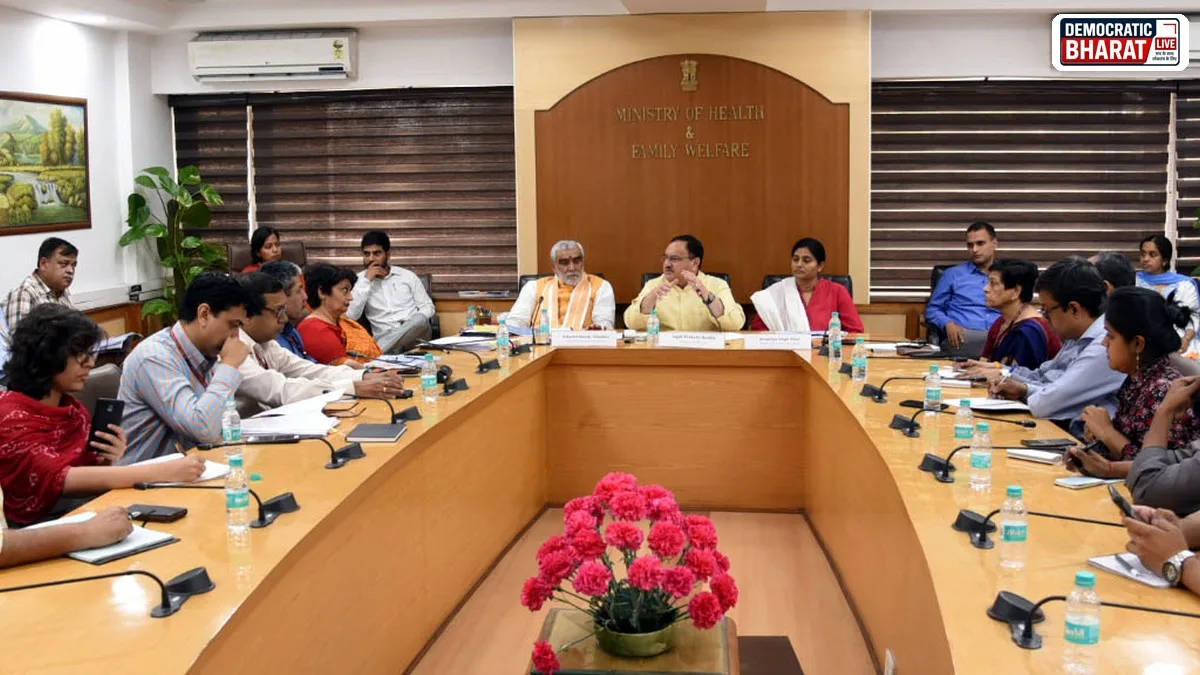
The Ayushman Bharat Digital Mission stands as a major initiative by the Government of India to bridge existing gaps among different stakeholders in the healthcare sector. By leveraging digital technology, the mission seeks to establish a smooth, interconnected infrastructure that brings hospitals, doctors, pharmacies, and patients onto a single unified network. The core objective focuses on improving efficiency, transparency, and accessibility across the entire healthcare delivery mechanism. Millions of people interact with the medical system annually, and integrating these interactions digitally aims to reduce administrative friction and enhance overall service delivery.
इस खबर में
Citizens often face challenges while carrying physical medical files, diagnostic reports, and prescription slips to different doctors or healthcare facilities. This initiative addresses such logistical hurdles by introducing digital health accounts that securely store medical history in one place. As a voluntary framework, individuals can join the network, manage their own data, and share records with authorized medical professionals only when necessary. Furthermore, eliminating paper records minimizes the risk of misplaced documentation during critical medical treatments, allowing physicians to make informed decisions quickly.
Understanding the ABHA Number
At the heart of the digital health framework lies the Ayushman Bharat Health Account, commonly known as the ABHA number. This unique identification number serves as a secure identifier for every citizen who chooses to participate in the digital health network. Individuals can generate their ABHA number using basic identity documents such as an Aadhaar card or a mobile number linked to official documents. The simplicity of the generation process encourages widespread participation across diverse demographic segments.
Once generated, the ABHA number links all health records, laboratory reports, and clinical prescriptions to the individual profile. Patients no longer need to worry about losing physical files or repeating diagnostic tests simply because previous records are unavailable. Doctors can view past treatments and medical history instantly, provided the patient grants explicit consent through secure digital authorization. This continuity of care proves especially valuable for patients managing chronic illnesses who frequently consult multiple specialists.
The process of creating an ABHA number remains entirely voluntary for the general public. Citizens can register directly through the official government portal or via mobile applications developed for this purpose. Participating in the network does not affect eligibility for other public health schemes, and users retain complete control over whether they wish to link or unlink their historical medical records. Public awareness campaigns continuously educate individuals on how to utilize these digital tools effectively and securely.
Connecting Hospitals and Providers
Beyond individual health accounts, the mission focuses heavily on digitizing healthcare providers across the country. Hospitals, clinics, nursing homes, and diagnostic laboratories can register on the Healthcare Professionals Registry and the Health Facility Registry. These directories help patients find verified medical practitioners and certified medical institutions near their location, promoting transparency in healthcare choices.
Read this also: Pradhan Mantri Suraksha Bima Yojana Provides Affordable Accident Cover
Digitizing clinical establishments allows for smoother administrative workflows and better coordination between primary health centers and tertiary care hospitals. When a patient moves from a local clinic to a larger specialty hospital, digital referrals ensure that all relevant clinical notes travel securely with them. This interoperability reduces waiting times and minimizes administrative errors during admissions or consultations, benefiting both medical staff and patients.
Healthcare providers benefit from standardized protocols that simplify insurance claims, billing processes, and reporting requirements. The integration of modern software tools helps clinics maintain electronic medical records without cumbersome paperwork. Official guidelines and technical support are regularly provided to ensure that even smaller clinics in semi urban areas can adopt these digital tools successfully, fostering an inclusive medical environment.
Data Privacy and Security
Data privacy and security remain critical pillars of the Ayushman Bharat Digital Mission framework. Given the sensitive nature of medical records, the system implements stringent encryption standards and compliance protocols to safeguard personal information. No health data can be accessed or shared without the explicit, informed consent of the patient concerned, ensuring that personal autonomy is fully preserved within the digital architecture.
Patients hold the authority to grant or revoke consent for data sharing at any given time through their digital interface. If a user wishes to share past diagnostic reports with a new specialist, they can authorize temporary access. Once the consultation concludes, the access permissions can be disabled, ensuring that personal medical data remains strictly confidential and protected from unauthorized viewing.
The governing authorities follow rigorous cybersecurity guidelines to protect central databases and prevent unauthorized breaches. Regular audits and updates ensure that the technological infrastructure remains resilient against emerging digital threats. Citizens interested in joining or learning more about these privacy features should consult the official government website for comprehensive guidelines and detailed operational documentation.
Frequently Asked Questions (FAQ)
What is Ayushman Bharat Digital Mission?
The Ayushman Bharat Digital Mission stands as a major initiative by the Government of India to bridge existing gaps among different stakeholders in the healthcare sector. By leveraging digital technology, the mission seeks to establish a smooth, interconnected infrastructure that brings hospitals, doctors, pharmacies, and patients onto a single unified network. The core objective focuses on improving efficiency, transparency, and accessibility across the entire healthcare delivery mechanism. Millions of people interact with the medical system annually, and integrating these interactions digitally aims to reduce administrative friction and enhance overall service delivery.
What should you know about Understanding the ABHA Number?
At the heart of the digital health framework lies the Ayushman Bharat Health Account, commonly known as the ABHA number. This unique identification number serves as a secure identifier for every citizen who chooses to participate in the digital health network. Individuals can generate their ABHA number using basic identity documents such as an Aadhaar card or a mobile number linked to official documents. The simplicity of the generation process encourages widespread participation across diverse demographic segments.
What should you know about Connecting Hospitals and Providers?
Beyond individual health accounts, the mission focuses heavily on digitizing healthcare providers across the country. Hospitals, clinics, nursing homes, and diagnostic laboratories can register on the Healthcare Professionals Registry and the Health Facility Registry. These directories help patients find verified medical practitioners and certified medical institutions near their location, promoting transparency in healthcare choices.
What should you know about Data Privacy and Security?
Data privacy and security remain critical pillars of the Ayushman Bharat Digital Mission framework. Given the sensitive nature of medical records, the system implements stringent encryption standards and compliance protocols to safeguard personal information. No health data can be accessed or shared without the explicit, informed consent of the patient concerned, ensuring that personal autonomy is fully preserved within the digital architecture.
Source: National Health Authority, Ayushman Bharat Digital Mission, PM-JAY