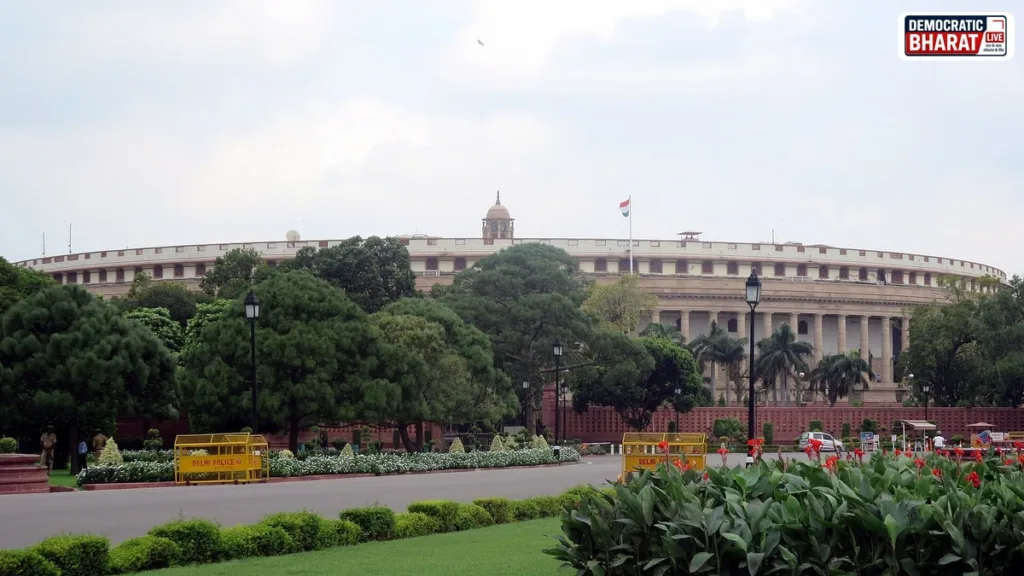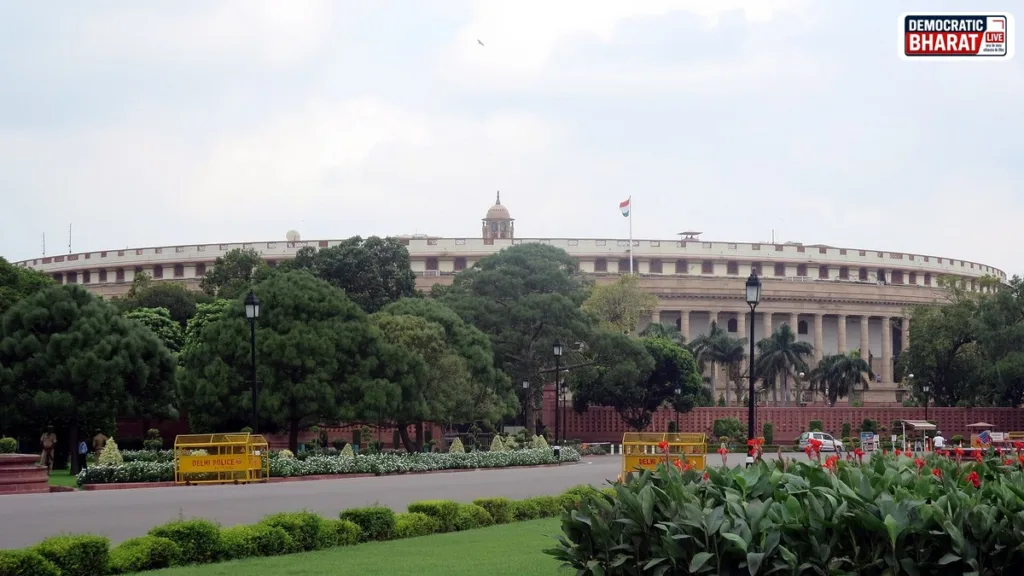


A party whip is a crucial official appointed by every political party in a parliamentary system to maintain discipline and order among its members. The primary responsibility of this official is to ensure that party members attend legislative sessions and vote in line with the official party stance on critical issues. Without this structured mechanism, legislative proceedings could become chaotic, and parties would find it difficult to present a unified front on important national policies and legislation. The complexity of modern lawmaking requires constant coordination, and the whip serves as the administrative backbone that holds a political faction together during intense legislative battles and routine legislative business alike.
इस खबर में
The term originates from the British parliamentary system, where it historically referred to a whip used in fox hunting to keep hounds from straying from the pack. Over time, the concept evolved into a political tool designed to herd lawmakers into the chamber for crucial votes. The historical adoption of this practice helped early legislative groups organize their members effectively, transforming loose coalitions of lawmakers into cohesive voting blocks. The system was subsequently adopted in numerous democracies worldwide, including India, to regulate legislative behavior and ensure the smooth functioning of parliamentary democracy across different levels of government.
Origins and Evolution of the System
The parliamentary whip system developed organically in the United Kingdom during the eighteenth and nineteenth centuries as political parties became more organized and parliamentary politics grew more competitive. As legislative agendas grew increasingly complex, party leaders realized they needed a designated individual to track attendance and secure votes. This requirement led to the formalization of the whip office, which eventually spread to other Commonwealth nations and various democratic countries across the globe. Over decades of parliamentary evolution, the responsibilities grew from simple headcounting into sophisticated management of legislative strategy and internal party communication.
In modern legislative bodies, the function has expanded far beyond mere attendance tracking. Whips now act as a crucial communication bridge between the party leadership and the rank and file members. They convey the mood, grievances, and opinions of the backbenchers to the leadership while simultaneously communicating the leadership expectations downward. This two way feedback loop helps parties navigate internal disagreements and ideological friction long before matters reach the voting floor. By identifying potential rebellions early, whips allow party leaders to negotiate compromises and maintain harmony within the parliamentary group.
Types of Whips Issued
Political parties typically issue different categories of whips depending on the importance and urgency of the legislative business at hand. A one line whip is largely informational, notifying members about upcoming business and expected voting times without imposing strict attendance or voting mandates. It serves as an advisory notice to keep lawmakers prepared for parliamentary schedules, allowing those with unavoidable prior commitments to plan accordingly without facing immediate disciplinary repercussions.
Read this also: Pradhan Mantri Suraksha Bima Yojana Provides Affordable Accident Cover
A two line whip requires members to attend the house, though some flexibility regarding the final vote may exist under specific circumstances or during intermediate stages of a bill. The most stringent directive is the three line whip, which demands absolute attendance and strict adherence to the party voting line during crucial divisions. Disobeying a three line whip carries severe consequences, including potential disciplinary action, suspension from the parliamentary group, or even expulsion from the party, subject to the specific constitutional and procedural rules of the respective legislature.
Role During Parliamentary Voting
When a division or vote is called in the legislature, the whip plays an active role in ensuring that all party members are present and voting correctly. Whips physically check attendance, manage pairing arrangements if members are absent due to illness or official duties, and signal to the presiding officer how their party members are voting. Their constant presence and vigilance ensure that accidental defeats on government bills, budget approvals, or crucial confidence motions are successfully avoided.
Beyond voting inside the main chamber, whips also manage committee assignments and help determine which members speak during debates. By distributing speaking slots and committee roles, they maintain order and reward loyal participation while managing internal party dynamics and nurturing upcoming political talent. This administrative oversight is essential for the daily operations of any major political party represented in parliament, ensuring that resources and platforms are allocated efficiently.
Impact on Legislative Discipline
The enforcement of party discipline through whips helps maintain stability in parliamentary systems, particularly in coalition governments where numbers are tightly contested and majorities are fragile. By ensuring predictable voting patterns, whips allow governments to pass budgets and enact policies with relative certainty, preventing political gridlock. However, this system is frequently debated by political scientists and reformers for potentially limiting individual lawmaker independence and freedom of expression on the floor, as members may feel pressured to prioritize party loyalty over personal conviction or constituent feedback.
Different jurisdictions handle dissent in varied ways, with some legal frameworks imposing strict penalties for defying a whip, while others allow greater latitude for conscience votes on sensitive matters. Conscience votes typically occur on moral, ethical, or deeply personal issues where parties choose not to issue a whip, allowing members to vote according to their personal beliefs and local sentiments without fear of retribution. To understand the precise rules governing parliamentary whips in a specific country, readers should consult the official legislative documentation, constitutional provisions, or parliamentary portal.
Frequently Asked Questions (FAQ)
What is party whip?
A party whip is a crucial official appointed by every political party in a parliamentary system to maintain discipline and order among its members. The primary responsibility of this official is to ensure that party members attend legislative sessions and vote in line with the official party stance on critical issues. Without this structured mechanism, legislative proceedings could become chaotic, and parties would find it difficult to present a unified front on important national policies and legislation. The complexity of modern lawmaking requires constant coordination, and the whip serves as the administrative backbone that holds a political faction together during intense legislative battles and routine legislative business alike.
What should you know about Origins and Evolution of the System?
The parliamentary whip system developed organically in the United Kingdom during the eighteenth and nineteenth centuries as political parties became more organized and parliamentary politics grew more competitive. As legislative agendas grew increasingly complex, party leaders realized they needed a designated individual to track attendance and secure votes. This requirement led to the formalization of the whip office, which eventually spread to other Commonwealth nations and various democratic countries across the globe. Over decades of parliamentary evolution, the responsibilities grew from simple headcounting into sophisticated management of legislative strategy and internal party communication.
What should you know about Types of Whips Issued?
Political parties typically issue different categories of whips depending on the importance and urgency of the legislative business at hand. A one line whip is largely informational, notifying members about upcoming business and expected voting times without imposing strict attendance or voting mandates. It serves as an advisory notice to keep lawmakers prepared for parliamentary schedules, allowing those with unavoidable prior commitments to plan accordingly without facing immediate disciplinary repercussions.
What should you know about Role During Parliamentary Voting?
When a division or vote is called in the legislature, the whip plays an active role in ensuring that all party members are present and voting correctly. Whips physically check attendance, manage pairing arrangements if members are absent due to illness or official duties, and signal to the presiding officer how their party members are voting. Their constant presence and vigilance ensure that accidental defeats on government bills, budget approvals, or crucial confidence motions are successfully avoided.
Source: Parliament of India, Parliament of India, भारत सरकार