
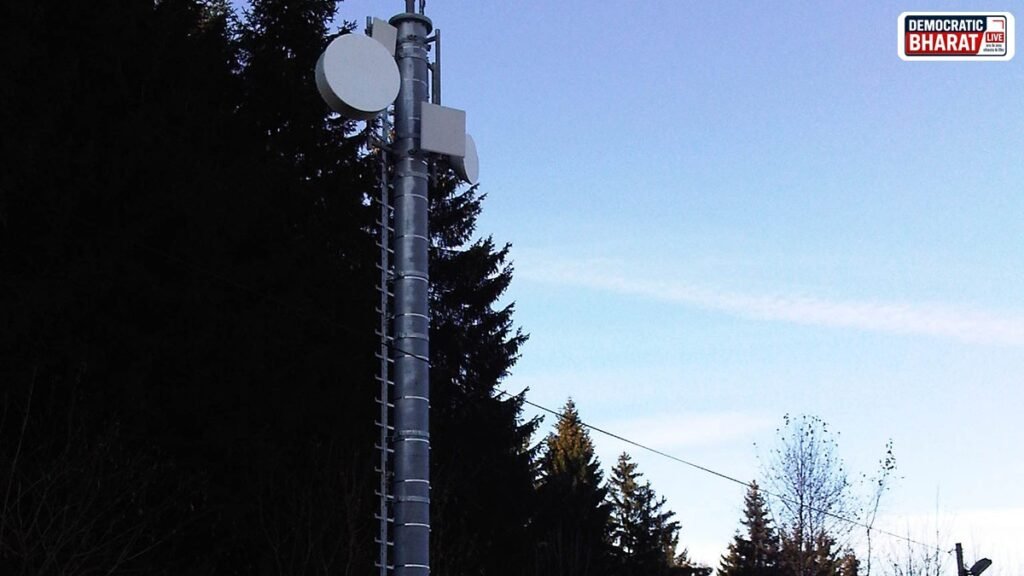
5G represents the fifth generation of cellular network technology, engineered to expand the scope and performance of mobile connectivity worldwide. As digital demands grow, this technology bridges the gap between traditional cellular systems and future innovations by offering vastly improved data transfer rates. Users across the globe experience faster downloads, smoother streaming, and more reliable connections on their mobile devices and connected hardware. The ongoing deployment of these networks marks a major milestone in telecommunications history, fundamentally changing how humanity accesses information and interacts with digital services on a daily basis. Engineers and researchers spent years developing the underlying architecture to ensure that the system could handle exponential increases in mobile data consumption without collapsing under heavy traffic.
The transition from previous network generations to 5G involves utilizing higher frequency bands and advanced antenna technologies. Telecommunication providers globally continue to build the necessary infrastructure to deliver these high speed services to urban and rural areas alike. Understanding this foundational shift helps consumers and businesses utilize modern digital tools more effectively. Wireless carriers invest heavily in acquiring spectrum licenses and installing new hardware on existing towers and rooftops. This physical expansion requires careful coordination with local governments and regulatory agencies to ensure compliance with environmental and safety standards while rolling out the required equipment.
Evolution of Mobile Networks
Mobile network technology has evolved through distinct phases over the past several decades, starting with basic voice communication in the first generation. Each subsequent generation introduced major upgrades, moving from analog voice to digital signals, internet browsing, and broadband connectivity. The fourth generation established widespread mobile internet access, setting the stage for heavier data usage and cloud based services. During the first generation era, mobile phones were large, heavy, and capable only of analog voice calls. The arrival of the second generation brought digital encryption, enabling text messaging and clearer audio quality. The third generation introduced genuine mobile data capabilities, allowing basic web browsing and media sharing on smaller screens. Subsequently, the fourth generation transformed smartphones into essential daily tools by providing fast broadband speeds that supported video streaming, social media platforms, and complex mobile applications.
Fifth generation systems build upon these earlier milestones by introducing architectural improvements that handle massive volumes of data simultaneously. Network operators deploy these upgrades progressively, ensuring compatibility with older devices while expanding coverage areas. This continuous evolution supports the increasing number of connected gadgets used by individuals and enterprises every day. Software defined networking and network virtualization play critical roles in managing these complex systems efficiently. By decoupling network functions from dedicated hardware, operators can dynamically allocate resources where demand is highest, ensuring a stable connection even during peak usage hours in densely populated metropolitan areas.
The standardized framework for these networks is developed by international telecommunication bodies to ensure global consistency. Manufacturers and service providers follow these guidelines so that equipment works seamlessly across different regions. Such cooperation remains essential for maintaining secure and efficient communication channels worldwide. Standardization ensures that a smartphone purchased in one country will function properly when roaming on a network in another part of the world. Global partnerships among standardization organizations help unify technical specifications, reducing manufacturing costs and accelerating the adoption of new features across international markets.
How 5G Technology Works
The core mechanism behind fifth generation networks involves transmitting data across multiple frequency spectrums, including millimeter waves. These high frequency bands allow vast amounts of information to travel through the air with minimal delay. Because higher frequencies have shorter ranges, providers deploy more base stations and small cells to maintain steady coverage. Millimeter waves operate at frequencies between thirty gigahertz and three hundred gigahertz, offering massive bandwidth capabilities that are crucial for transmitting large amounts of data quickly. However, these high frequency signals struggle to penetrate solid objects like concrete walls, trees, and heavy rain, which necessitates the installation of densely packed small cell antennas.
Read this also: What Is the Quad? How India, the US, Japan and Australia Work Together in the Indo Pacific
Another key advancement is massive multiple input and multiple output antenna technology, which allows base stations to handle numerous data streams at the same time. This capability ensures that crowded areas with many active devices experience fewer slowdowns than older networks. Beamforming technology also directs signals straight toward specific devices rather than broadcasting in all directions. Traditional cell towers broadcast radio frequency energy in a wide radius, wasting power and causing interference. Beamforming concentrates the signal into a focused beam directed right at the receiving device, improving signal strength and energy efficiency simultaneously.
Reduced latency is one of the most significant technical achievements of fifth generation networks. Lower latency means that the time it takes for data to travel from a device to a server and back is reduced to milliseconds. This responsiveness is vital for applications requiring real time data processing and immediate feedback. Network latency in earlier generations often caused noticeable delays during online gaming or video calls. By optimizing packet routing and moving computing power closer to the edge of the network, fifth generation architecture minimizes this delay to nearly imperceptible levels, creating an instantaneous feel for interactive applications.
Benefits and Future Applications
The primary benefit of fifth generation connectivity is significantly faster download and upload speeds compared to previous generations. These improvements allow users to download large files, stream high definition video, and participate in video conferences without buffering issues. Enterprises benefit from faster data exchange, which supports remote work and cloud computing efficiency. Higher data transfer speeds enable companies to transfer massive datasets securely across corporate networks, facilitating seamless collaboration among distributed teams. Educational institutions also leverage these fast connections to provide immersive virtual classrooms and remote learning opportunities for students regardless of their physical location.
Beyond consumer smartphones, the technology enables broader adoption of the internet of things, connecting smart home devices, industrial sensors, and automated systems. Transportation networks, healthcare facilities, and manufacturing plants utilize these reliable connections to monitor operations and improve safety. As infrastructure expands, new digital services and applications continue to emerge across various industries. Smart cities utilize interconnected sensors to monitor traffic flow, optimize public lighting, and manage waste collection efficiently. In healthcare, high reliability and low latency enable remote patient monitoring and assist medical professionals in performing delicate procedures using robotic surgical equipment from distant locations.
For the most accurate and up to date technical specifications regarding mobile networks, readers should check the official website of the International Telecommunication Union or local regulatory authorities. Staying informed about digital infrastructure helps individuals make better choices regarding their connectivity needs. Governments and telecommunication regulators continuously publish reports detailing spectrum allocations, safety guidelines, and coverage expansion plans. Reviewing these official documents ensures that consumers and businesses rely on verified data when evaluating the growth and capabilities of modern telecommunication networks.
Frequently Asked Questions (FAQ)
What is 5G?
5G represents the fifth generation of cellular network technology, engineered to expand the scope and performance of mobile connectivity worldwide. As digital demands grow, this technology bridges the gap between traditional cellular systems and future innovations by offering vastly improved data transfer rates.
What should you know about Evolution of Mobile Networks?
Mobile network technology has evolved through distinct phases over the past several decades, starting with basic voice communication in the first generation.
How does 5G technology work?
The core mechanism behind fifth generation networks involves transmitting data across multiple frequency spectrums, including millimeter waves.
What should you know about Benefits and Future Applications?
The primary benefit of fifth generation connectivity is significantly faster download and upload speeds compared to previous generations.
Source: International Telecommunication Union, Department of Food and Public Distribution, NFSA