
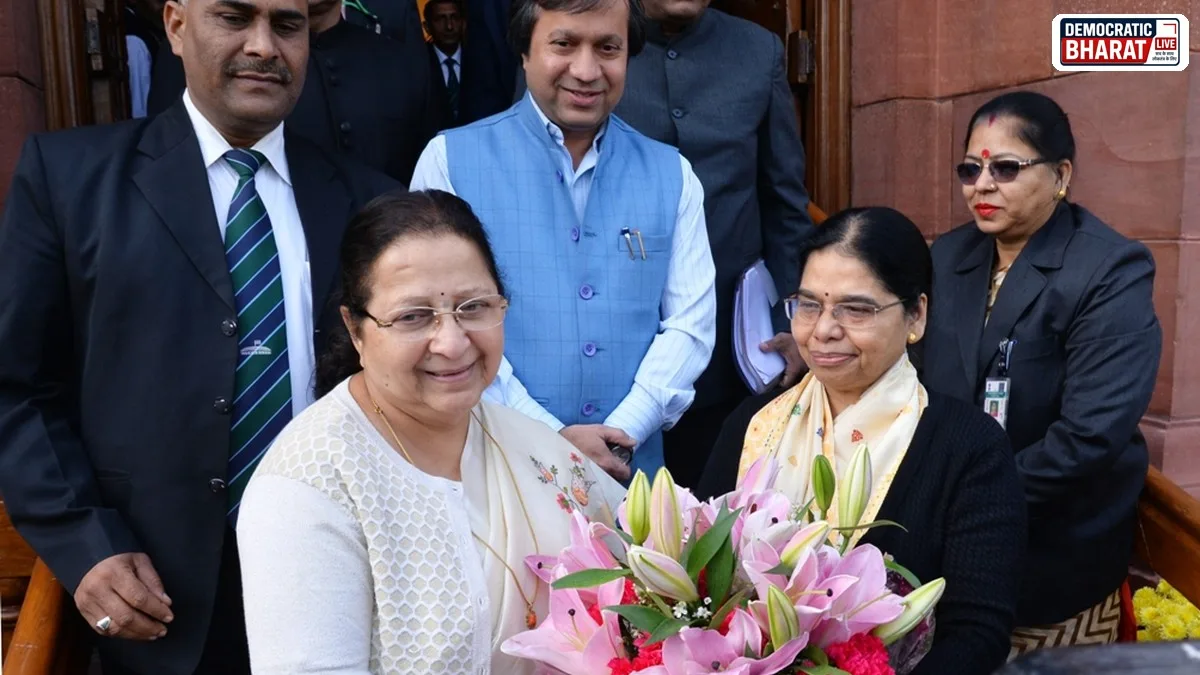
The Lok Sabha Speaker is the presiding officer of the lower house of the Parliament of India, holding a position of immense dignity, authority, and impartiality. Elected from among the members of the Lok Sabha soon after a new general election, the Speaker represents the collective voice and authority of the house. This constitutional office requires maintaining absolute neutrality while managing legislative business and ensuring that members from all political parties get adequate opportunities to express their views on public policy and national matters.
इस खबर में
The role extends far beyond merely managing daily debates inside the chamber, as the Speaker acts as the ultimate guardian of the privileges of the house and its members. By tradition and constitutional convention, once a person is elected to this office, they maintain political neutrality, often disassociating themselves from their political party activities. The decisions taken by the presiding officer regarding parliamentary procedure and conduct of business set important precedents for future governance and democratic functioning in the country.
Constitutional Position and Election
The office of the Lok Sabha Speaker finds its basis in the Constitution of India, specifically under Article 93, which mandates the house to choose two members to be Speaker and Deputy Speaker respectively. The election of the Speaker takes place on a date fixed by the President of India, usually following the constitution of a new Lok Sabha. All members of the lower house participate in this internal democratic process to select a presiding officer who commands the confidence of the majority.
Once elected, the Speaker holds office until the commencement of the first meeting of the Lok Sabha after the dissolution of the existing house. The incumbent can vacate the office earlier by submitting a resignation letter in writing to the Deputy Speaker or by a resolution passed by a majority of all the then members of the house. For a resolution proposing removal, a mandatory fourteen days notice must be given, ensuring due process and transparency in legislative administration.
The Constitution grants the Speaker security of tenure and salary, which is charged upon the Consolidated Fund of India and not subject to annual vote by Parliament. This financial independence safeguards the dignity of the chair, allowing the presiding officer to discharge duties without fear or favor. Detailed rules regarding the conduct of business and day to day operations are further elaborated in the Rules of Procedure and Conduct of Business in Lok Sabha.
Conduct of House Proceedings
Managing the daily proceedings of the lower house is among the most visible responsibilities of the Lok Sabha Speaker. The presiding officer determines the order of business, allocates time for debates, and decides which members receive permission to speak during various legislative interventions. Maintaining decorum and discipline inside the chamber is essential, and the Speaker possesses the authority to adjourn the house or suspend unruly members to restore order.
Read this also: What Is the IMF and How Does It Support Global Economy
The Speaker possesses the unique power to decide whether a bill is a Money Bill or an ordinary legislative measure, and this certification by the Speaker is final and binding. This specific constitutional mandate prevents any further legal dispute regarding the classification of a bill, particularly concerning financial matters and taxation. Furthermore, the Speaker admits or rejects questions, adjournment motions, call attention notices, and resolutions submitted by members based on established parliamentary rules.
In the event of a tie during any voting inside the house, the Speaker exercises a casting vote to break the deadlock and ensure legislative progress. Conventionally, the casting vote is used to maintain the status quo or follow established precedents rather than expressing a personal political preference. Through these regulatory mechanisms, the Speaker ensures that parliamentary debates remain productive, focused, and aligned with constitutional principles.
Committees and Secretariat Administration
Beyond the chamber floor, the Lok Sabha Speaker plays a crucial administrative role by exercising control over parliamentary committees. The Speaker appoints the chairpersons of all parliamentary committees functioning under the jurisdiction of the lower house and issues directions to them regarding their mandate and functioning. Several key panels, such as the Business Advisory Committee and the Rules Committee, function directly under the chairmanship of the Speaker.
The Lok Sabha Secretariat operates directly under the overall guidance and control of the Speaker, managing research, administrative staffing, and logistical support for lawmakers. This independent secretariat assists members in drafting questions, understanding complex legislation, and maintaining records of all parliamentary proceedings. Citizens and researchers seeking detailed historical records, rules, and updates can check the official website of the Lok Sabha for comprehensive documentation.
International parliamentary relations also form a significant part of the responsibilities held by the presiding officer. The Speaker represents the Indian parliament in global forums, hosts visiting foreign delegations, and leads parliamentary delegations to international conferences. Through these diplomatic engagements, the office promotes democratic values, bilateral cooperation, and parliamentary diplomacy across the global community.
Frequently Asked Questions (FAQ)
What is Lok Sabha Speaker Powers?
The Lok Sabha Speaker is the presiding officer of the lower house of the Parliament of India, holding a position of immense dignity, authority, and impartiality. Elected from among the members of the Lok Sabha soon after a new general election, the Speaker represents the collective voice and authority of the house. This constitutional office requires maintaining absolute neutrality while managing legislative business and ensuring that members from all political parties get adequate opportunities to express their views on public policy and national matters.
What should you know about Constitutional Position and Election?
The office of the Lok Sabha Speaker finds its basis in the Constitution of India, specifically under Article 93, which mandates the house to choose two members to be Speaker and Deputy Speaker respectively. The election of the Speaker takes place on a date fixed by the President of India, usually following the constitution of a new Lok Sabha. All members of the lower house participate in this internal democratic process to select a presiding officer who commands the confidence of the majority.
What should you know about Conduct of House Proceedings?
Managing the daily proceedings of the lower house is among the most visible responsibilities of the Lok Sabha Speaker. The presiding officer determines the order of business, allocates time for debates, and decides which members receive permission to speak during various legislative interventions. Maintaining decorum and discipline inside the chamber is essential, and the Speaker possesses the authority to adjourn the house or suspend unruly members to restore order.
What should you know about Committees and Secretariat Administration?
Beyond the chamber floor, the Lok Sabha Speaker plays a crucial administrative role by exercising control over parliamentary committees. The Speaker appoints the chairpersons of all parliamentary committees functioning under the jurisdiction of the lower house and issues directions to them regarding their mandate and functioning. Several key panels, such as the Business Advisory Committee and the Rules Committee, function directly under the chairmanship of the Speaker.
Source: Parliament of India, Lok Sabha Secretariat, Government of India