
The One Nation One Ration Card scheme is an initiative by the Government of India designed to ensure the seamless delivery of food security benefits to eligible citizens across state boundaries. By utilizing technology platforms, the program enables beneficiaries to claim their Public Distribution System entitlements regardless of their current geographical location within the country. The overarching vision of this program is to remove administrative hurdles and create a unified national framework for food security, ensuring that no eligible individual is deprived of subsidized grains simply due to relocation. Through extensive digital integration, the government has sought to modernize the traditional welfare architecture, making entitlements portable and accessible to every deserving citizen across the nation.
इस खबर में
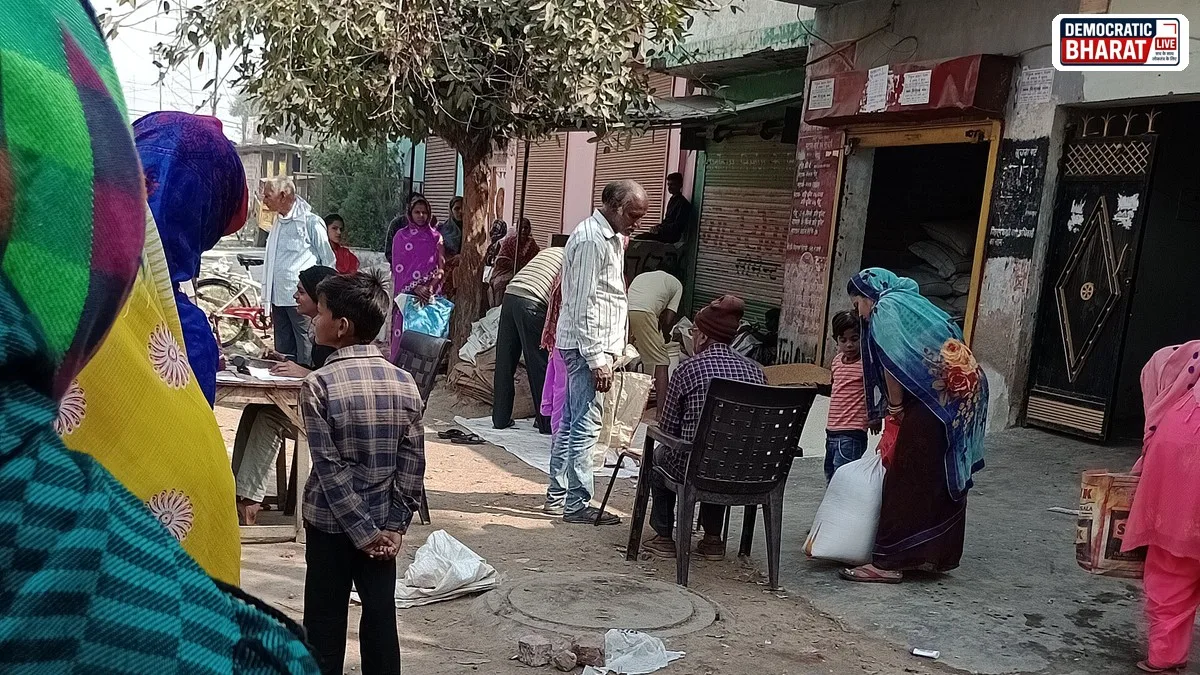
This system primarily assists migrant workers, daily wage laborers, and individuals who move frequently for employment or other reasons. Instead of being tied to a single fair price shop in their home village or town, participants can access subsidised food grains from any compliant ration shop nationwide. When people travel to different regions in search of better livelihood opportunities, they often face challenges in accessing welfare measures meant for them. The portability feature eliminates the need to apply for a new card every time a family relocates for work, thereby safeguarding their nutritional security and providing significant financial relief during transitional periods of employment.
Understanding the Public Distribution System
The traditional Public Distribution System has long served as a cornerstone of India’s food security framework, providing essential commodities like wheat and rice at subsidized prices to economically vulnerable sections of society. However, structural limitations previously restricted beneficiaries to specific local outlets linked to their registered residential addresses. This localized approach meant that families were bound to a single vendor, and any movement away from the designated locality resulted in a complete disruption of benefits. The historical design of the distribution network prioritized geographic stability, which unfortunately disadvantaged mobile populations who form a vital segment of the workforce contributing to urban and industrial development.
Under the conventional setup, migration often resulted in a temporary loss of access to subsidized rations, as families could not transfer their entitlements to new residential locations without extensive bureaucratic procedures. The integrated framework addresses this limitation by connecting state databases through a central repository, ensuring continuous access to nutritional support. By bridging the technological divides between different administrative regions, the unified platform transforms how state machinery interacts with migrant populations, replacing cumbersome paperwork with instant digital verification and transparent record keeping at every point of sale.
Role of Technology and Aadhaar
Technology forms the backbone of the initiative, particularly through the use of Aadhaar authentication at fair price shops. Electronic Point of Sale devices are installed across distribution centers to verify the identity of beneficiaries biometrically before transactions are processed. This biometric verification ensures that food grains reach the intended recipients directly, minimizing the scope for diversion or pilferage at the ground level. The integration of Aadhaar numbers with existing ration card databases creates a foolproof mechanism for identity confirmation, allowing shop owners to ascertain authenticity within seconds of a transaction request.
Read this also: Vidya Lakshmi Portal Education Loan Guide for Students
This digital infrastructure ensures transparency, reduces leakage, and prevents duplicate claims across different states. When a beneficiary collects their quota in another state, the central server instantly updates the records to reflect the remaining balance on their digital card. The automated nature of these updates guarantees that entitlements are accurately tracked on a real time basis, preventing any possibility of drawing rations multiple times from different locations. Furthermore, the electronic logging of transactions assists government authorities in monitoring consumption patterns and managing food grain inventories more efficiently across all participating regions.
Benefits for Migrant Workers
Migrant workers represent the primary demographic target for this portability measure, as they frequently encounter difficulties in securing basic welfare benefits away from their native places. With the integration of state portals, these workers can feed their families without needing to procure new documentation whenever they relocate. The ability to claim rations proportionate to their family size in any destination state provides immense social security and reduces the cost of living for households surviving on modest incomes. Consequently, workers can allocate their hard earned earnings toward other essential needs like housing, healthcare, and education rather than spending exorbitant amounts entirely on open market food supplies.
The reform also promotes administrative efficiency by streamlining supply chain management and inventory tracking for government agencies. By analyzing data on grain lifting and distribution across various states, officials can optimize the allocation of food stocks to regions experiencing higher influxes of migrant populations. This data driven approach minimizes wastage and ensures that godowns maintain adequate reserves to meet local demands seamlessly. For detailed guidelines and official updates, citizens should check the official government web portals dedicated to food and public distribution.
Frequently Asked Questions (FAQ)
What is One Nation One Ration Card?
The One Nation One Ration Card scheme is an initiative by the Government of India designed to ensure the seamless delivery of food security benefits to eligible citizens across state boundaries. By utilizing technology platforms, the program enables beneficiaries to claim their Public Distribution System entitlements regardless of their current geographical location within the country. The overarching vision of this program is to remove administrative hurdles and create a unified national framework for food security, ensuring that no eligible individual is deprived of subsidized grains simply due to relocation. Through extensive digital integration, the government has sought to modernize the traditional welfare architecture, making entitlements portable and accessible to every deserving citizen across the nation.
What should you know about Understanding the Public Distribution System?
The traditional Public Distribution System has long served as a cornerstone of India’s food security framework, providing essential commodities like wheat and rice at subsidized prices to economically vulnerable sections of society. However, structural limitations previously restricted beneficiaries to specific local outlets linked to their registered residential addresses. This localized approach meant that families were bound to a single vendor, and any movement away from the designated locality resulted in a complete disruption of benefits. The historical design of the distribution network prioritized geographic stability, which unfortunately disadvantaged mobile populations who form a vital segment of the workforce contributing to urban and industrial development.
What should you know about Role of Technology and Aadhaar?
Technology forms the backbone of the initiative, particularly through the use of Aadhaar authentication at fair price shops. Electronic Point of Sale devices are installed across distribution centers to verify the identity of beneficiaries biometrically before transactions are processed. This biometric verification ensures that food grains reach the intended recipients directly, minimizing the scope for diversion or pilferage at the ground level. The integration of Aadhaar numbers with existing ration card databases creates a foolproof mechanism for identity confirmation, allowing shop owners to ascertain authenticity within seconds of a transaction request.
What should you know about Benefits for Migrant Workers?
Migrant workers represent the primary demographic target for this portability measure, as they frequently encounter difficulties in securing basic welfare benefits away from their native places. With the integration of state portals, these workers can feed their families without needing to procure new documentation whenever they relocate. The ability to claim rations proportionate to their family size in any destination state provides immense social security and reduces the cost of living for households surviving on modest incomes. Consequently, workers can allocate their hard earned earnings toward other essential needs like housing, healthcare, and education rather than spending exorbitant amounts entirely on open market food supplies.
Source: Department of Food and Public Distribution, National Portal of India, Department of Food and Public Distribution