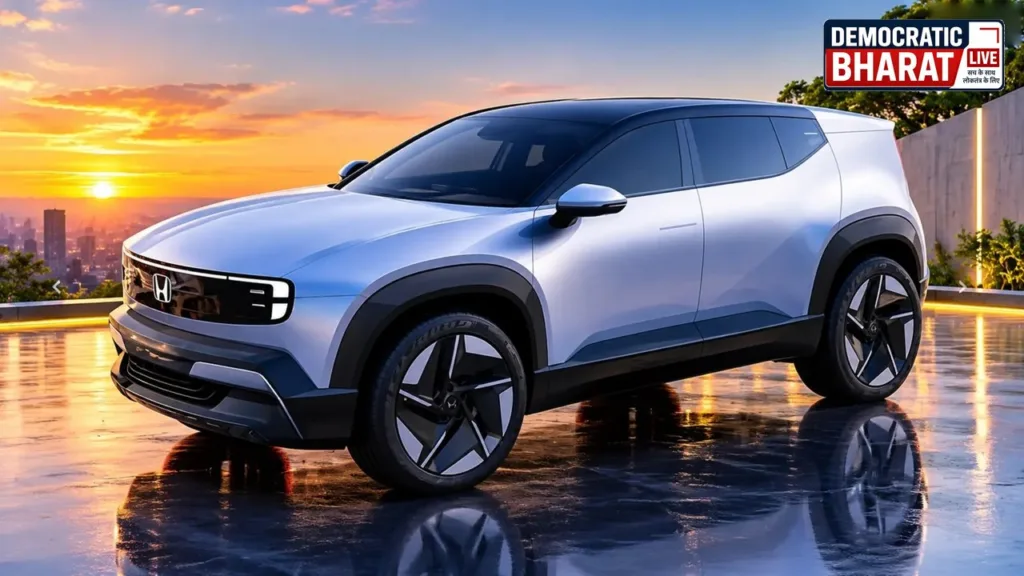

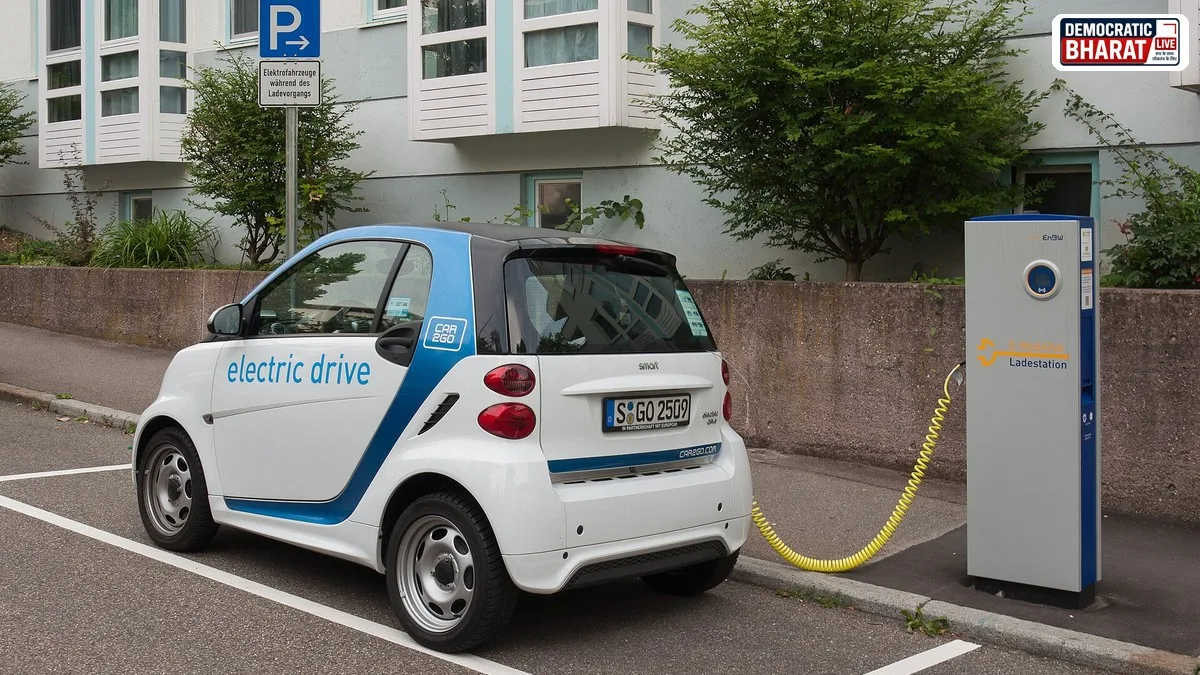
Electric vehicles rely on advanced lithium ion battery packs to store electrical energy and power the electric motor. Because the battery represents one of the most expensive components of an electric vehicle, manufacturers provide specific warranty terms to protect buyers against unexpected failures. Understanding how these warranties operate ensures that vehicle owners can maximize the lifespan of their power source while avoiding actions that might unintentionally void their coverage.
इस खबर में
Most modern electric vehicle battery warranties are structured to cover two main areas, which include manufacturing defects in materials or workmanship and abnormal capacity degradation over a set period. Unlike traditional internal combustion engine components, electric vehicle batteries degrade gradually through regular use and charging cycles. Manufacturers set specific thresholds to determine when capacity loss exceeds normal wear and tear, triggering a repair or replacement under the warranty terms provided at the time of purchase.
The chemical composition inside lithium ion cells undergoes continuous microscopic changes during every acceleration and deceleration phase. Advanced battery management systems monitor these cells constantly to balance voltage and regulate thermal conditions. Despite these protections, cumulative electrochemical stress occurs over long periods of operation. This intrinsic physical behavior forms the baseline rationale for why automakers implement structured limitation rules within their consumer documentation.
Standard Warranty Duration and Mileage Limits
The typical duration for an electric vehicle battery warranty usually spans eight years or a specified mileage threshold, often ranging from 100,000 to 150,000 miles depending on the manufacturer and the specific model. This long duration reflects the durability engineered into modern battery management systems and chemical compositions. Buyers should always review the exact figures provided in their vehicle documentation, as commercial use or heavy-duty applications can sometimes alter the standard terms.
During this coverage window, the manufacturer commits to repairing or replacing the battery pack if it fails to operate correctly due to internal faults. It is important to note that these warranties generally cover the entire assembly or individual modules depending on the design of the pack. Routine maintenance schedules must be followed to keep this coverage valid throughout the ownership lifecycle.
Federal and international regulations often mandate minimum protection periods for hybrid and electric vehicle propulsion systems. For instance, regulatory frameworks in various regions require a federally mandated baseline for emissions-related components, which historically extended into secondary requirements for electric drivetrains. Consumers should verify regional compliance standards because statutory protections vary significantly across different geographical jurisdictions.
Understanding Capacity Degradation Thresholds
Battery capacity naturally diminishes over time as the vehicle undergoes repeated charge and discharge cycles. To address this, manufacturers establish a guaranteed minimum capacity retention percentage, which is commonly set around 70 percent of the original maximum capacity by the end of the warranty period. If diagnostic tests reveal that the battery retains less than this specified percentage due to normal degradation before the time or mileage limit expires, the owner becomes eligible for service.
Read this also: How to Get an Income Certificate in Sultanpur Easily
Evaluating capacity loss requires specialized diagnostic equipment operated by certified technicians at authorized service centers. Owners who notice a significant reduction in driving range should request a formal battery health report. If the degradation remains above the guaranteed threshold, the reduction is typically classified as normal wear and is not covered by the manufacturer warranty.
Environmental factors heavily influence the rate of capacity degradation. Vehicles operated primarily in regions with extreme ambient heat profiles experience accelerated chemical aging compared to vehicles driven in temperate climates. Thermal management systems mitigate these effects by circulating coolant through the pack architecture, yet extreme conditions still place higher demands on the physical components over extended periods.
Exclusions and Maintenance Requirements
Maintaining the validity of an electric vehicle battery warranty requires adherence to specific guidelines provided by the automaker. Neglecting recommended software updates, using unauthorized charging equipment, or modifying the high voltage electrical system can result in a voided warranty. Environmental factors, such as sustained exposure to extreme temperatures without proper thermal management, can also influence how warranty claims are assessed by the manufacturer.
Furthermore, damage resulting from collisions, flood immersion, or external physical impacts is generally excluded from manufacturer battery warranties. In such cases, vehicle insurance policies often cover the necessary repairs or replacements. Owners should consult their insurance provider and official automaker guidelines to understand the exact boundaries between insurance claims and manufacturer warranty protections.
Proper charging habits also contribute to maintaining long-term battery health and preventing disputes during warranty assessments. While DC fast charging offers convenience during long trips, relying exclusively on high-power rapid chargers can increase thermal stress on the internal cells. Balancing fast charging sessions with Level 2 home charging helps preserve the structural integrity of the battery modules, aligning with recommended operational best practices established by automotive engineers.
Frequently Asked Questions (FAQ)
What is EV Battery Warranty Explained?
Electric vehicles rely on advanced lithium ion battery packs to store electrical energy and power the electric motor. Because the battery represents one of the most expensive components of an electric vehicle, manufacturers provide specific warranty terms to protect buyers against unexpected failures. Understanding how these warranties operate ensures that vehicle owners can maximize the lifespan of their power source while avoiding actions that might unintentionally void their coverage.
What should you know about Standard Warranty Duration and Mileage Limits?
The typical duration for an electric vehicle battery warranty usually spans eight years or a specified mileage threshold, often ranging from 100,000 to 150,000 miles depending on the manufacturer and the specific model. This long duration reflects the durability engineered into modern battery management systems and chemical compositions. Buyers should always review the exact figures provided in their vehicle documentation, as commercial use or heavy-duty applications can sometimes alter the standard terms.
What should you know about Understanding Capacity Degradation Thresholds?
Battery capacity naturally diminishes over time as the vehicle undergoes repeated charge and discharge cycles. To address this, manufacturers establish a guaranteed minimum capacity retention percentage, which is commonly set around 70 percent of the original maximum capacity by the end of the warranty period. If diagnostic tests reveal that the battery retains less than this specified percentage due to normal degradation before the time or mileage limit expires, the owner becomes eligible for service.
What should you know about Exclusions and Maintenance Requirements?
Maintaining the validity of an electric vehicle battery warranty requires adherence to specific guidelines provided by the automaker. Neglecting recommended software updates, using unauthorized charging equipment, or modifying the high voltage electrical system can result in a voided warranty. Environmental factors, such as sustained exposure to extreme temperatures without proper thermal management, can also influence how warranty claims are assessed by the manufacturer.
Source: United Nations, World Health Organization, Government of India