

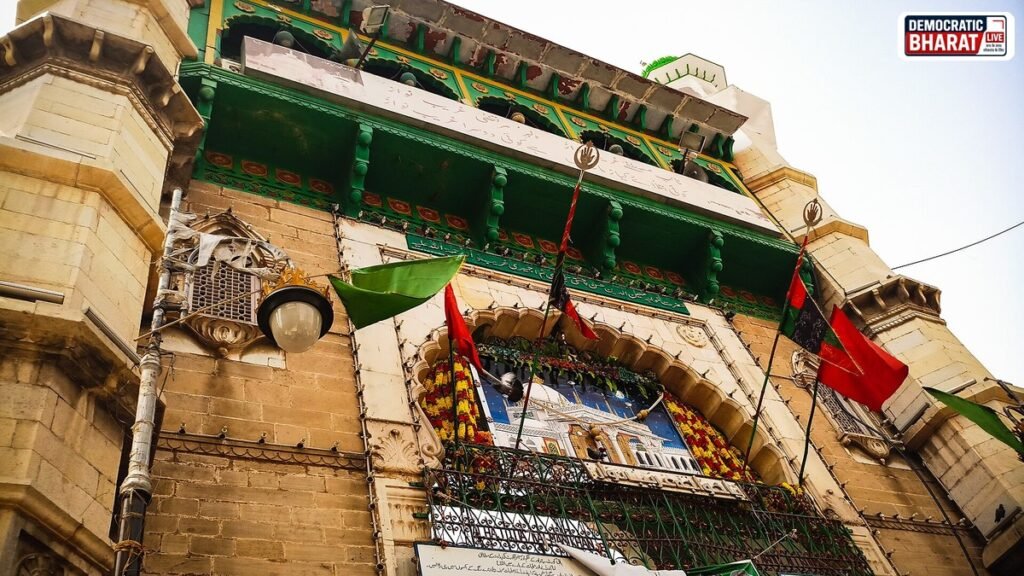
The Ajmer Sharif Dargah is a renowned Sufi shrine located in the city of Ajmer in the Indian state of Rajasthan. It is dedicated to Khwaja Moinuddin Chishti, a revered Persian Sufi saint who settled in Ajmer during the thirteenth century. Millions of pilgrims and visitors from diverse backgrounds visit the shrine every year to seek blessings and experience the peaceful atmosphere.
The shrine holds a significant place in the spiritual heritage of South Asia and stands as a symbol of communal harmony. Visitors are advised to check official tourism portals for updated timings and guidelines before planning a trip. The following sections provide detailed insights into the history, architectural features, and practical tips for visitors.
Throughout the year, the Dargah welcomes individuals from all walks of life, regardless of their faith or background. The open and inclusive nature of Sufi traditions is deeply embedded in the daily functioning of the shrine. Qawwali, a form of devotional Sufi music, is performed regularly within the premises, creating an emotionally resonant environment for all listeners. The melodic strains of the music combined with the fragrance of incense and flowers contribute to an unforgettable spiritual atmosphere.
History of the Shrine
Khwaja Moinuddin Chishti arrived in Ajmer around 1192 and spent the remainder of his life teaching peace, compassion, and spiritual devotion. His teachings attracted followers from all walks of life, transcending religious and social boundaries. After his passing, his resting place gradually transformed into a prominent center of Sufi pilgrimage.
Over the centuries, various rulers contributed to the expansion and embellishment of the shrine complex. Mughal emperors, including Akbar, Jahangir, and Shah Jahan, added significant structures to the Dargah. These historical additions reflect the deep reverence the shrine commanded across different imperial dynasties in medieval India. Emperor Akbar, in particular, was a frequent visitor to the shrine, often walking barefoot from Agra to Ajmer to offer his prayers and express his devotion.
The historical continuity of the Dargah is preserved through generations of khadims, or hereditary attendants, who manage the rituals and assist pilgrims. Their families have served the shrine for centuries, passing down the knowledge of customs, prayers, and historical narratives. Today, the Dargah continues to uphold the traditions established centuries ago.
Urs, the annual festival commemorating the death anniversary of the saint, draws hundreds of thousands of devotees from around the world. The event is marked by traditional music, prayers, and community service. During this time, the entire city of Ajmer transforms into a vibrant hub of cultural and spiritual exchange, welcoming people from global destinations who come to participate in the solemn yet celebratory rituals.
Architecture and Complex Layout
The architecture of the Ajmer Sharif Dargah is a fine example of classical Indo Islamic design. The complex features massive gates, marble courtyards, and intricately carved domes. The main tomb houses the sacred sanctuary where the saint is buried, adorned with floral chadars and scented pastes.
Read this also: Kashi Vishwanath Temple: History, Significance and Visitor Guide
Prominent structures within the complex include the Buland Darwaza, the Nizam Gate, and the Akbari Masjid. Each structure showcases distinct architectural elements from the Mughal era. The expansive courtyards provide ample space for devotees to offer prayers and sit in quiet contemplation.
Another notable feature within the complex is the large cooking cauldrons known as Degs. These massive vessels are used to prepare sweet rice, known as kheer or langar, during major festivals and are offered as charity to the visitors. The preparation process itself is a traditional ritual carried out with great care, involving large quantities of rice, ghee, sugar, and dry fruits, which are then distributed among the underprivileged and pilgrims as a blessing.
The intricate marble work, delicate jali screens, and polished silver doors inside the shrine demonstrate the pinnacle of craftsmanship from earlier eras. Every corner of the complex tells a story of artistic dedication and architectural grandeur, harmonizing the austere requirements of a spiritual sanctuary with the decorative elegance of royal patronage.
Visitor Guide and Practical Tips
Planning a visit to the Ajmer Sharif Dargah requires some basic preparation regarding dress code and local customs. Visitors are expected to dress modestly and cover their heads with a scarf or cap while inside the shrine premises. Removing footwear before entering the main courtyard is mandatory for all visitors.
The nearest railway station is Ajmer Junction, which is well connected to major cities like Jaipur, Delhi, and Mumbai. From the station, local transport options such as auto rickshaws and taxis are easily available to reach the shrine. For accommodation, a wide range of hotels and guesthouses are located close to the Dargah area, catering to various budgets.
Visitors should remain cautious of their belongings due to large crowds, especially during weekends and festive periods. Authorized guides can help navigate the complex, but it is advisable to rely on official information centers for guidance. Respecting the local customs ensures a peaceful and enriching experience for everyone.
Photography inside certain sensitive areas of the shrine may be restricted, so travelers should remain aware of local signages and instructions provided by the management. Engaging with the local artisans and exploring the bustling markets surrounding the Dargah can also enrich the overall travel experience, offering a glimpse into the local handicrafts, traditional perfumes, and religious memorabilia.
Frequently Asked Questions (FAQ)
What is Ajmer Sharif Dargah?
The Ajmer Sharif Dargah is a renowned Sufi shrine located in the city of Ajmer in the Indian state of Rajasthan. It is dedicated to Khwaja Moinuddin Chishti, a revered Persian Sufi saint who settled in Ajmer during the thirteenth century. Millions of pilgrims and visitors from diverse backgrounds visit the shrine every year to seek blessings and experience the peaceful atmosphere.
What should you know about History of the Shrine?
Khwaja Moinuddin Chishti arrived in Ajmer around 1192 and spent the remainder of his life teaching peace, compassion, and spiritual devotion. His teachings attracted followers from all walks of life, transcending religious and social boundaries. After his passing, his resting place gradually transformed into a prominent center of Sufi pilgrimage.
What should you know about Architecture and Complex Layout?
The architecture of the Ajmer Sharif Dargah is a fine example of classical Indo Islamic design. The complex features massive gates, marble courtyards, and intricately carved domes. The main tomb houses the sacred sanctuary where the saint is buried, adorned with floral chadars and scented pastes.
What should you know about Visitor Guide and Practical Tips?
Planning a visit to the Ajmer Sharif Dargah requires some basic preparation regarding dress code and local customs. Visitors are expected to dress modestly and cover their heads with a scarf or cap while inside the shrine premises. Removing footwear before entering the main courtyard is mandatory for all visitors.
Source: Incredible India, Rajasthan Tourism, Government of India