
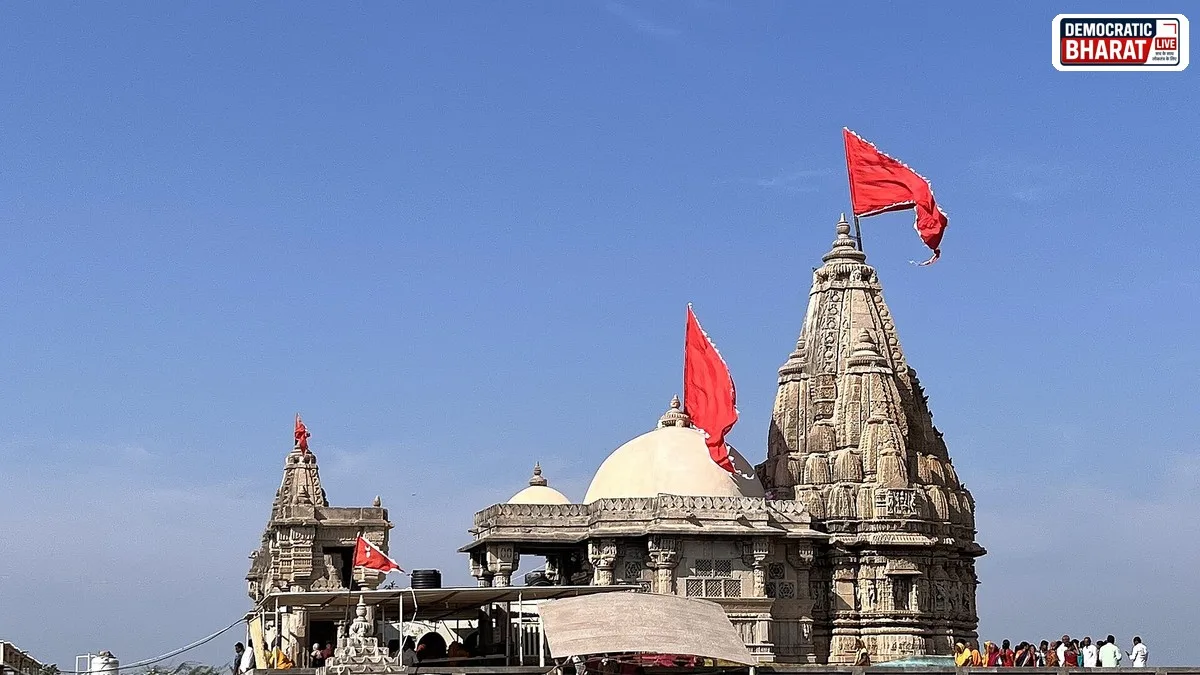
The Dwarkadhish Temple, also known as the Jagat Mandir, is located in the coastal city of Dwarka in the Indian state of Gujarat. Dedicated to Lord Krishna, who is worshipped here as the King of Dwarka, this temple serves as a major destination for pilgrims from across the world. The structure stands as a testament to ancient architectural brilliance and continues to be a center of deep spiritual significance for millions of devotees. As one of the Char Dham pilgrimage sites, it holds a position of immense prestige in Hindu tradition, drawing visitors who seek both spiritual solace and an appreciation for the cultural heritage of the Saurashtra region.
इस खबर में
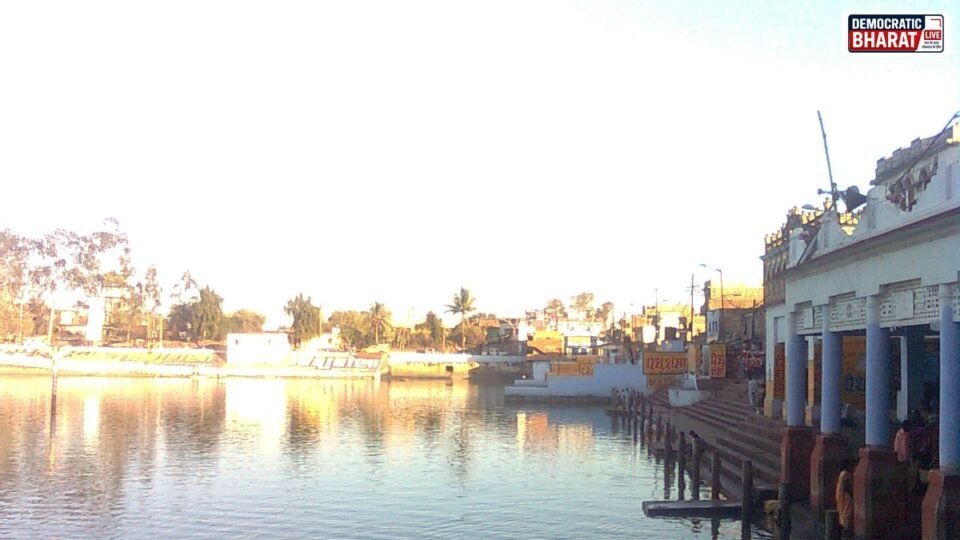
Visitors traveling to Dwarka often combine their visit to the main temple with trips to nearby sacred sites, such as the Gomti Ghat and the Bet Dwarka island. The temple is managed by a dedicated trust that oversees the daily rituals, offerings, and maintenance of the premises. Planning a visit requires an understanding of the temple timings, dress codes, and local travel logistics to ensure a smooth and respectful experience. The city itself is steeped in legends associated with the Mahabharata, and the temple serves as the focal point of this ancient history, inviting travelers to step back in time and experience the traditions that have been preserved for generations.
Historical Significance and Architecture
The current structure of the Dwarkadhish Temple is believed to have been built over several centuries, with its origins tracing back to ancient traditions associated with the life of Lord Krishna. The main shrine, known as the Jagat Mandir, features a tall spire that is visible from a significant distance, serving as a landmark for travelers approaching the city. The intricate carvings on the stone walls reflect the craftsmanship of medieval Indian temple architecture, utilizing limestone and sandstone to create a durable and aesthetically pleasing facade. The temple is situated on the banks of the Gomti River, adding to its serene and picturesque environment.
The temple complex consists of a five-story building supported by numerous pillars, showcasing detailed sculptures that depict various mythological themes. The sanctum sanctorum houses the primary deity, which is adorned with elaborate garments and jewelry during daily ceremonies. The architecture is a classic example of the Chalukyan style, characterized by its ornate pillars and grand entrance gates, known as Swarga Dwar and Moksha Dwar. Visitors are encouraged to observe the architectural details while moving through the various chambers of the temple, keeping in mind the sanctity of the space. The sheer scale of the spire, which reaches a height of over 150 feet, is a marvel of engineering that has withstood the test of time and the harsh coastal climate of the Arabian Sea.
Essential Visitor Information and Timings
The temple follows a strict schedule for daily rituals, including the opening and closing of the main doors for darshan. It is advisable for visitors to check the official website or the notice boards at the temple entrance for the most current timings, as these may change during festivals or special religious occasions. The temple typically remains open from early morning until late evening, with specific breaks for the deity to rest. The Mangala Aarti, which takes place in the early morning, is a particularly revered ritual that many pilgrims strive to witness, as it marks the beginning of the day in the presence of the deity.
Read this also: Somnath Temple: History of the First Jyotirlinga, Rebuilding, Darshan and Travel Guide
Photography is strictly prohibited inside the main sanctum and certain areas of the temple complex to maintain the decorum and privacy of the worshipers. Visitors are expected to dress modestly and remove their footwear before entering the temple premises. Lockers and shoe-keeping facilities are available near the entrance to assist pilgrims in managing their belongings securely. It is also important to note that mobile phones and electronic devices are generally not permitted inside the inner sanctum, and visitors should plan accordingly. By adhering to these guidelines, pilgrims contribute to the peaceful atmosphere that defines the Dwarkadhish Temple experience.
Travel Logistics and Local Accommodations
Dwarka is well-connected to major cities in India through a robust network of roads and railways. The Dwarka Railway Station serves as the primary railhead, receiving trains from various parts of the country, while the nearest airport is located in Jamnagar. Local transportation options, including auto-rickshaws and taxis, are readily available for moving between the railway station, hotels, and the temple complex. For those traveling by road, the highway network provides access from major cities within Gujarat, making it a convenient destination for road trips and organized tours.
A wide range of accommodation options exists in Dwarka, catering to different budgets and preferences. Pilgrims can choose from government-run guest houses, private hotels, and dharamshalas that offer basic amenities. It is recommended to book accommodations in advance, especially during peak pilgrimage seasons or major festivals, to ensure a comfortable stay while exploring the city and its surrounding attractions. Many hotels are located within walking distance of the temple, allowing visitors to easily participate in the evening rituals and enjoy the vibrant atmosphere of the local markets.
Beyond the main temple, visitors should allocate time to explore the Gomti Ghat, where the Gomti River meets the Arabian Sea. Many pilgrims perform rituals at the ghat before proceeding to the temple for darshan. Additionally, a short boat ride to Bet Dwarka offers an opportunity to visit other ancient shrines and experience the coastal beauty of the region. The Nageshwar Jyotirlinga Temple and the Rukmini Devi Temple are also significant sites located in the vicinity that add depth to the overall pilgrimage. Always carry sufficient water and stay hydrated, particularly during the warmer months of the year, and respect the local customs and traditions that make Dwarka a unique and cherished destination for all who visit.
Frequently Asked Questions (FAQ)
What is Dwarkadhish Temple Dwarka?
The Dwarkadhish Temple, also known as the Jagat Mandir, is located in the coastal city of Dwarka in the Indian state of Gujarat. Dedicated to Lord Krishna, who is worshipped here as the King of Dwarka, this temple serves as a major destination for pilgrims from across the world. The structure stands as a testament to ancient architectural brilliance and continues to be a center of deep spiritual significance for millions of devotees. As one of the Char Dham pilgrimage sites, it holds a position of immense prestige in Hindu tradition, drawing visitors who seek both spiritual solace and an appreciation for the cultural heritage of the Saurashtra region.
What should you know about Historical Significance and Architecture?
The current structure of the Dwarkadhish Temple is believed to have been built over several centuries, with its origins tracing back to ancient traditions associated with the life of Lord Krishna. The main shrine, known as the Jagat Mandir, features a tall spire that is visible from a significant distance, serving as a landmark for travelers approaching the city. The intricate carvings on the stone walls reflect the craftsmanship of medieval Indian temple architecture, utilizing limestone and sandstone to create a durable and aesthetically pleasing facade. The temple is situated on the banks of the Gomti River, adding to its serene and picturesque environment.
What should you know about Essential Visitor Information and Timings?
The temple follows a strict schedule for daily rituals, including the opening and closing of the main doors for darshan. It is advisable for visitors to check the official website or the notice boards at the temple entrance for the most current timings, as these may change during festivals or special religious occasions. The temple typically remains open from early morning until late evening, with specific breaks for the deity to rest. The Mangala Aarti, which takes place in the early morning, is a particularly revered ritual that many pilgrims strive to witness, as it marks the beginning of the day in the presence of the deity.
What should you know about Travel Logistics and Local Accommodations?
Dwarka is well-connected to major cities in India through a robust network of roads and railways. The Dwarka Railway Station serves as the primary railhead, receiving trains from various parts of the country, while the nearest airport is located in Jamnagar. Local transportation options, including auto-rickshaws and taxis, are readily available for moving between the railway station, hotels, and the temple complex. For those traveling by road, the highway network provides access from major cities within Gujarat, making it a convenient destination for road trips and organized tours.
Source: Gujarat Tourism, Government of India