
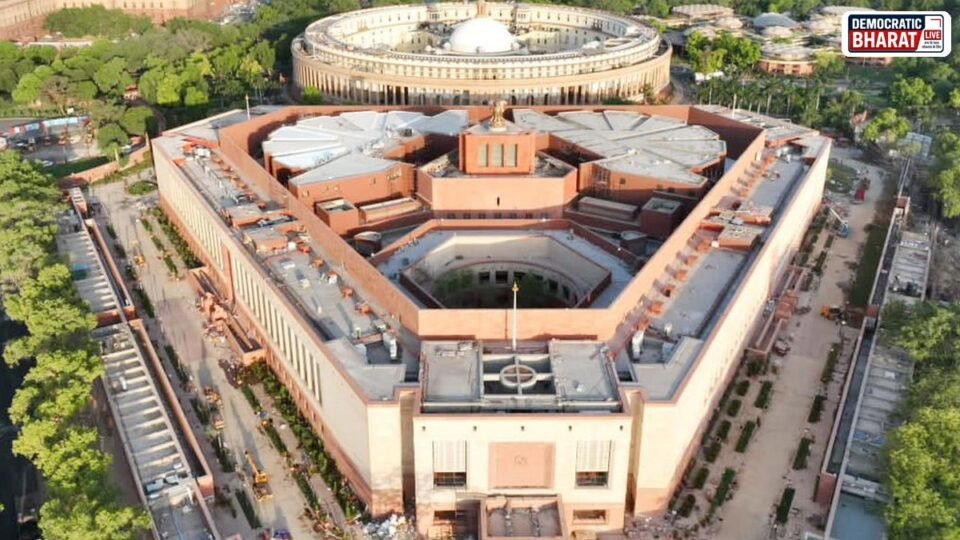
Parliamentary procedures in India are designed to ensure transparency, accountability, and regular oversight of government administration. Among the various mechanisms available to members of parliament, Question Hour and Zero Hour hold prominent positions. These daily segments of parliamentary business allow legislators to raise matters of public importance and question ministers about their departmental actions. The architecture of parliamentary democracy relies heavily on these interactive sessions, as they form the bedrock of legislative control over executive governance.
इस खबर में
Understanding how these two sessions operate helps citizens comprehend the functioning of the legislative branch. While both instruments facilitate communication between the legislature and the executive, they follow distinct rules, timings, and procedural requirements as outlined in the rules of procedure of the respective houses. Through meticulous planning and adherence to established protocols, the parliamentary system attempts to balance the need for structured inquiry with the necessity of addressing urgent national developments.
Understanding Question Hour Basics
Question Hour is the first hour of a normal parliamentary sitting in India. During this designated time, members of parliament ask questions, and ministers provide answers to elicit information on matters of public interest. This session is a primary method through which the legislature exercises control over the executive branch of government. Every working day in both houses typically commences with this structured inquiry, setting the tone for the legislative business that follows.
Questions are categorized into distinct types, primarily starred, unstarred, and short notice questions. Starred questions require an oral answer and therefore allow supplementary questions to be asked on the floor of the house. Unstarred questions require a written reply, after which no supplementary questions can be asked. Short notice questions relate to matters of urgent public importance and can be asked with shorter notice than the usual period. Members must carefully choose their category based on the depth of information they seek and the urgency of the administrative matter.
The preparation behind Question Hour involves extensive coordination between elected representatives and bureaucratic machinery. Ministers rely on civil servants within their respective ministries to gather data, verify facts, and draft precise responses that can withstand scrutiny on the parliamentary floor. This rigorous preparation ensures that the executive remains continuously informed about the granular details of departmental operations across the country.
Rules Governing Question Hour
The submission of questions is subject to strict rules and deadlines managed by the parliamentary secretariat. Members must submit their notices well in advance, typically specifying the minister to whom the question is addressed. The presiding officer of the house, whether the Speaker in the Lok Sabha or the Chairman in the Rajya Sabha, decides whether a question is admissible based on constitutional provisions and rulebooks.
Admissibility depends on several criteria, including whether the question is of general public interest, does not seek information on trivial matters, and avoids touching upon subjects that are sub judice. The government is given adequate time to prepare comprehensive responses, ensuring that the information presented during this hour is accurate and reliable. Ministers rely on their bureaucratic departments to compile these detailed answers, maintaining a standard of official record that is accessible to the public and researchers alike.
Read this also: Kashi Vishwanath Temple: History, Significance and Visitor Guide
Furthermore, the presiding officer possesses the authority to disallow questions that violate parliamentary etiquette, disclose classified national security information, or pertain to matters outside the constitutional jurisdiction of the central government. This gatekeeping function preserves the dignity and efficiency of the legislative chamber, ensuring that valuable time is allocated only to substantive governance issues.
The Concept of Zero Hour
Zero Hour follows immediately after Question Hour in the parliamentary schedule. Unlike Question Hour, Zero Hour is an informal mechanism created by parliamentary tradition in India starting around the nineteen sixties. It is not formally mentioned in the rules of procedure of the houses, yet it has evolved into an integral component of the daily parliamentary routine.
During Zero Hour, members can raise urgent matters of public importance without the mandatory prior notice required for other questions. The name stems from the fact that it traditionally begins at noon, marking the transition to the next part of the daily agenda. Parliamentarians use this time to draw immediate attention to local crises, sudden developments, or pressing national issues that require rapid executive response or acknowledgement.
Because Zero Hour operates without a strict procedural framework, proceedings during this time often depend heavily on the discretion of the presiding officer and the cooperation of the house members. While it allows for spontaneous and rapid expression of grievances, it also demands immense self-regulation from legislators to prevent disruptions and ensure that multiple voices can be heard effectively.
Significance in Parliamentary Democracy
Both Question Hour and Zero Hour play vital roles in sustaining democratic discourse within the Indian Parliament. Question Hour ensures systematic and detailed scrutiny of government policies and administrative actions over time. It compels ministries to remain vigilant and accountable for their assigned portfolios, knowing that legislators will demand justification for policy outcomes and financial expenditures.
Zero Hour provides flexibility, allowing representatives to voice emergent concerns that cannot wait for the lengthy notice period required for formal questions. Together, these sessions bridge the gap between citizens and the central government, facilitating continuous dialogue and debate on matters affecting the nation. Through these mechanisms, the Indian Parliament maintains its character as a vibrant forum for public representation and democratic oversight.
Frequently Asked Questions (FAQ)
What is Question Hour and Zero Hour?
Parliamentary procedures in India are designed to ensure transparency, accountability, and regular oversight of government administration. Among the various mechanisms available to members of parliament, Question Hour and Zero Hour hold prominent positions. These daily segments of parliamentary business allow legislators to raise matters of public importance and question ministers about their departmental actions. The architecture of parliamentary democracy relies heavily on these interactive sessions, as they form the bedrock of legislative control over executive governance.
What should you know about Understanding Question Hour Basics?
Question Hour is the first hour of a normal parliamentary sitting in India. During this designated time, members of parliament ask questions, and ministers provide answers to elicit information on matters of public interest. This session is a primary method through which the legislature exercises control over the executive branch of government. Every working day in both houses typically commences with this structured inquiry, setting the tone for the legislative business that follows.
What should you know about Rules Governing Question Hour?
The submission of questions is subject to strict rules and deadlines managed by the parliamentary secretariat. Members must submit their notices well in advance, typically specifying the minister to whom the question is addressed. The presiding officer of the house, whether the Speaker in the Lok Sabha or the Chairman in the Rajya Sabha, decides whether a question is admissible based on constitutional provisions and rulebooks.
What should you know about The Concept of Zero Hour?
Zero Hour follows immediately after Question Hour in the parliamentary schedule. Unlike Question Hour, Zero Hour is an informal mechanism created by parliamentary tradition in India starting around the nineteen sixties. It is not formally mentioned in the rules of procedure of the houses, yet it has evolved into an integral component of the daily parliamentary routine.
Source: Parliament of India, Lok Sabha Secretariat, Rajya Sabha Secretariat